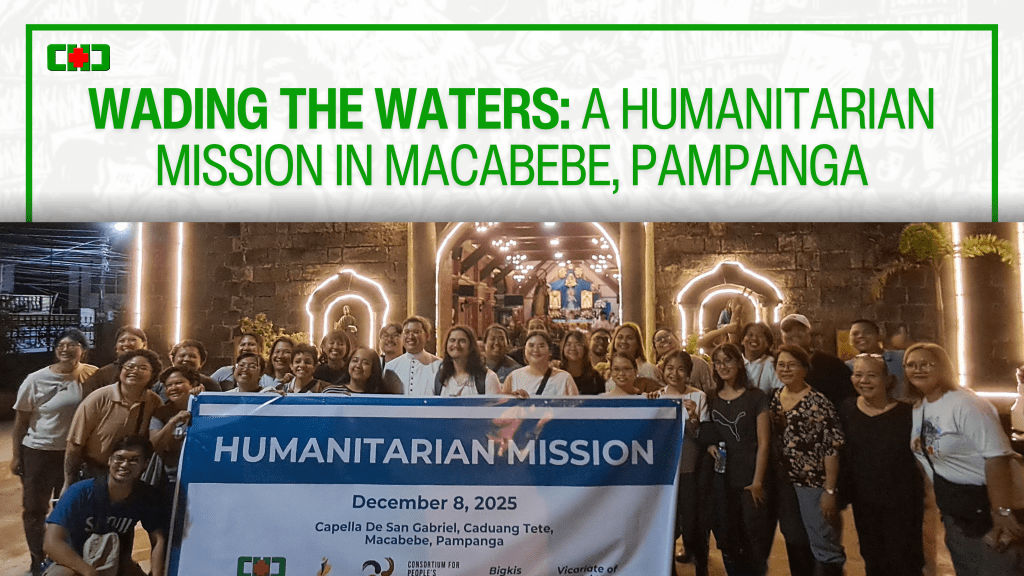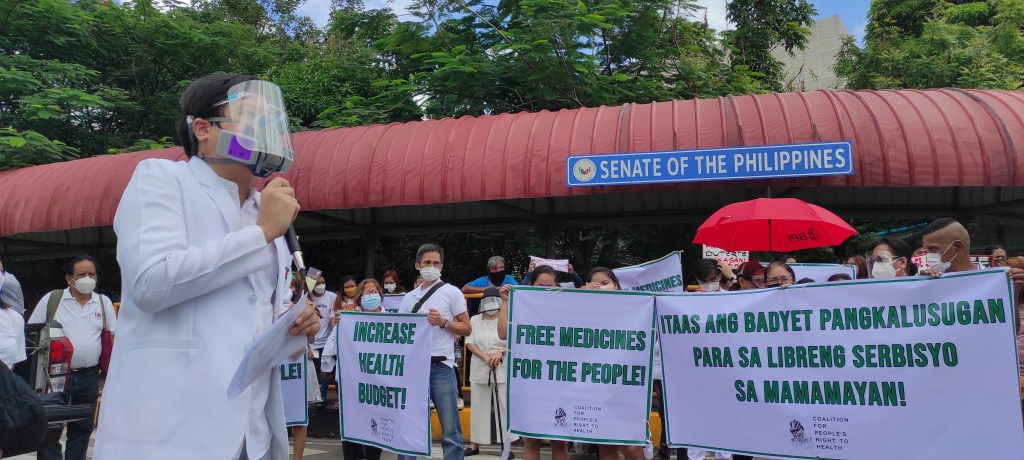
In 2025, a bold initiative set out to tackle two of the most pressing challenges facing vulnerable communities in the Philippines: food insecurity and the growing threat of natural disasters. With support from The Waldensian Church of Italy (Union of Methodist and Waldensian Churches) Otto Per Mille, the program “Promoting Food Self-Sufficiency and Disaster Preparedness,” targeted residents in Bagong Silangan and Pinagbuhatan within the National Capital Region (NCR), as well as communities in Baguio City in the Cordillera Administrative Region (CAR). The goal was clear. By combining urban gardening with disaster risk reduction training, organizers hoped to help empower 100 members of local People’s Organizations to further develop self-reliance and agents of change.
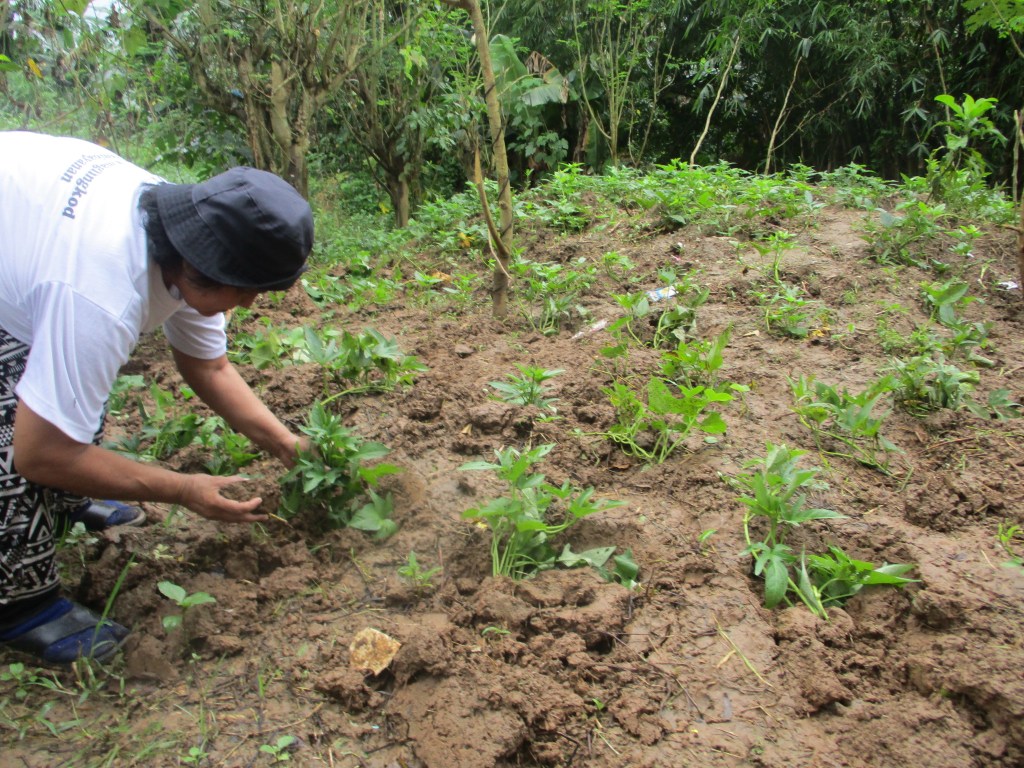
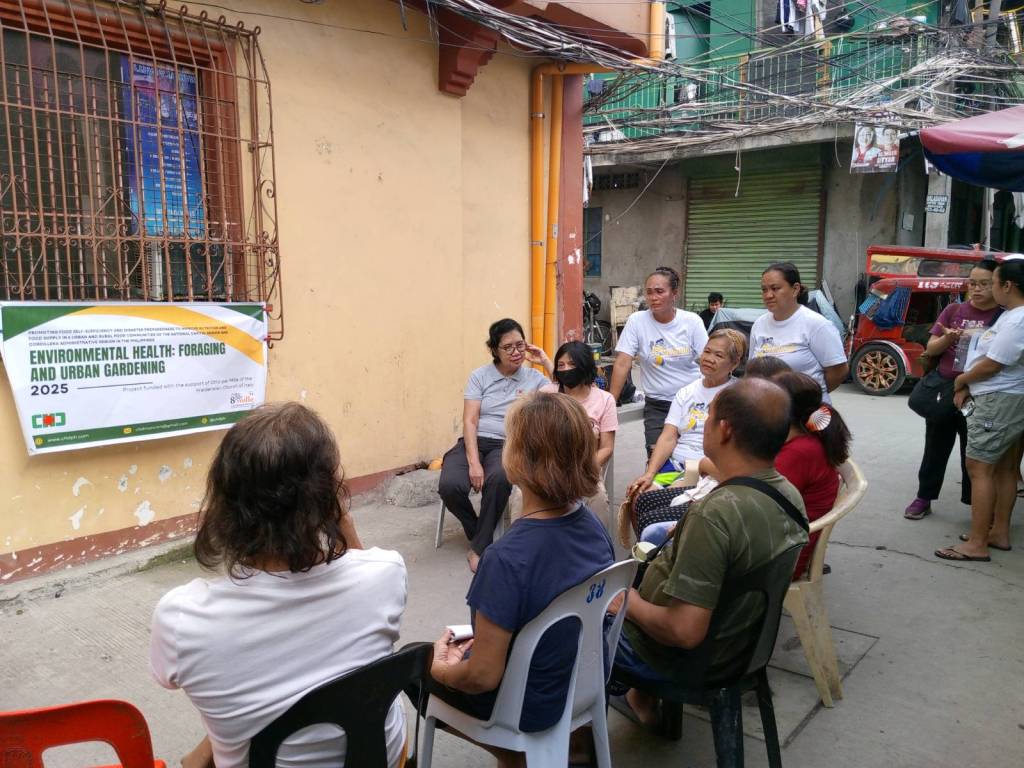
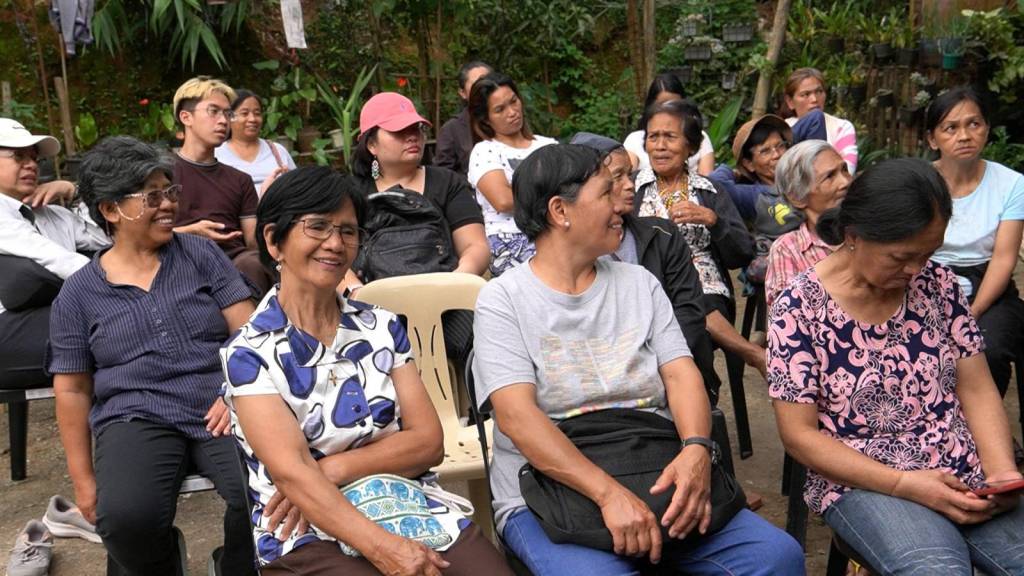
The journey began with careful planning and deep community engagement. Teams worked closely with local leaders in Baguio City and the NCR to understand the unique risks each area faced. Bagong Silangan presented a complex dual threat. Its highlands sit directly on the Marikina fault line, making them prone to earthquakes, while the lowlands near the river face severe flooding. Pinagbuhatan in Pasig sits just below sea level, creating chronic issues with water backflow and drainage. Meanwhile, Baguio City offered its own mountainous challenges, where heavy rains could trigger landslides and isolate neighborhoods. Through a series of consultations and dry runs in mid-2025, the team tailored their approach to fit these specific geographic realities.
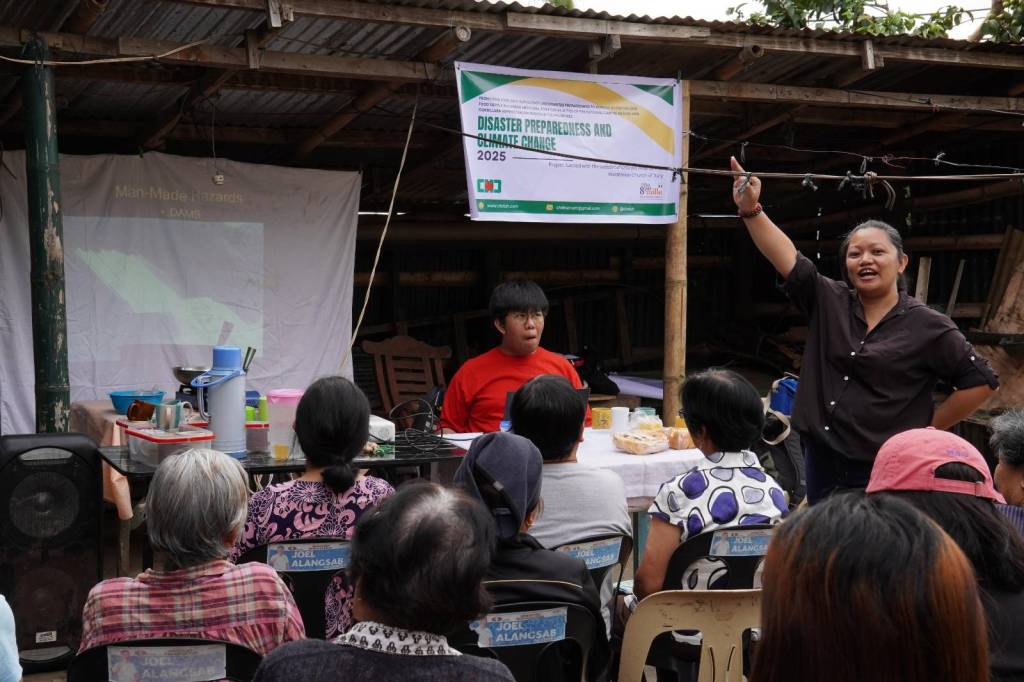
The core of the project involved training sessions and resource distribution. In Baguio, participants spent two days learning how to identify local hazards and develop mitigation strategies. They discussed everything from reinforcing riverbanks to improving waste management. In Pasig, community health workers attended a forum on disaster management, equipping them to spread vital knowledge throughout their neighborhoods. Alongside these educational efforts, the team distributed essential kits. These packages included gardening tools and seeds for food production, as well as first aid supplies and disaster gear. A key decision was made to hand these resources over to community organizations rather than individuals, reinforcing a culture of collective leadership and shared responsibility.
The impact of this training was immediate and personal for many residents. For those in flood-prone areas, the knowledge provided a new sense of collective action. As one community member from Bagong Silangan shared, “Malaking tulong sa amin ang pagkakaroon ng kasanayan at kaalaman sa kung paano haharapin ang mga disasters tulad ng baha. Ang aming lugar ay bahain gayunman kami ay nakakapagtanim dahil mataba ang lupa at nakakapagpatubo ng mga gulay na pinaghahatiang ng komunidad” (It is a huge help to us to have the skills and knowledge on how to face disasters like floods. Our area floods, but we are able to plant because the soil is fertile and we can grow vegetables that are shared with the community).
However, the arrival of the 2025 typhoon season tested the project’s resolve. Massive flooding in July and August submerged homes in Quezon City and forced the evacuation of over 500 families in Bagong Silangan alone. In CAR, continuous heavy rains triggered dozens of landslides, blocking roads and isolating communities. These extreme weather events caused significant disruptions to the project timeline and field operations.
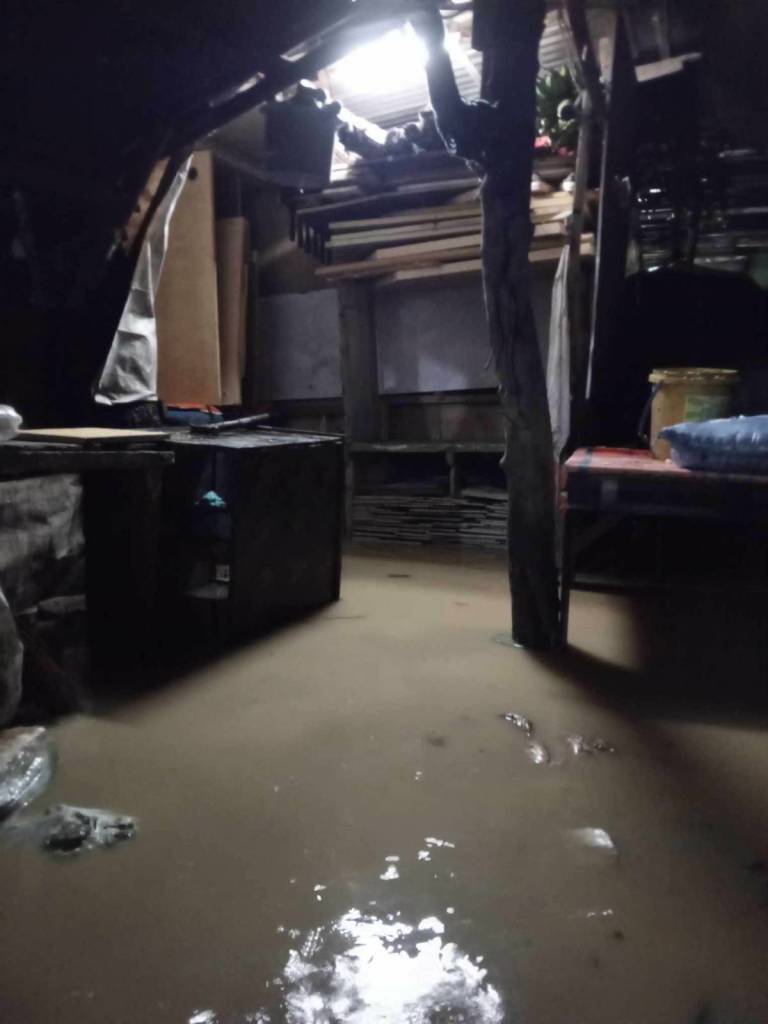
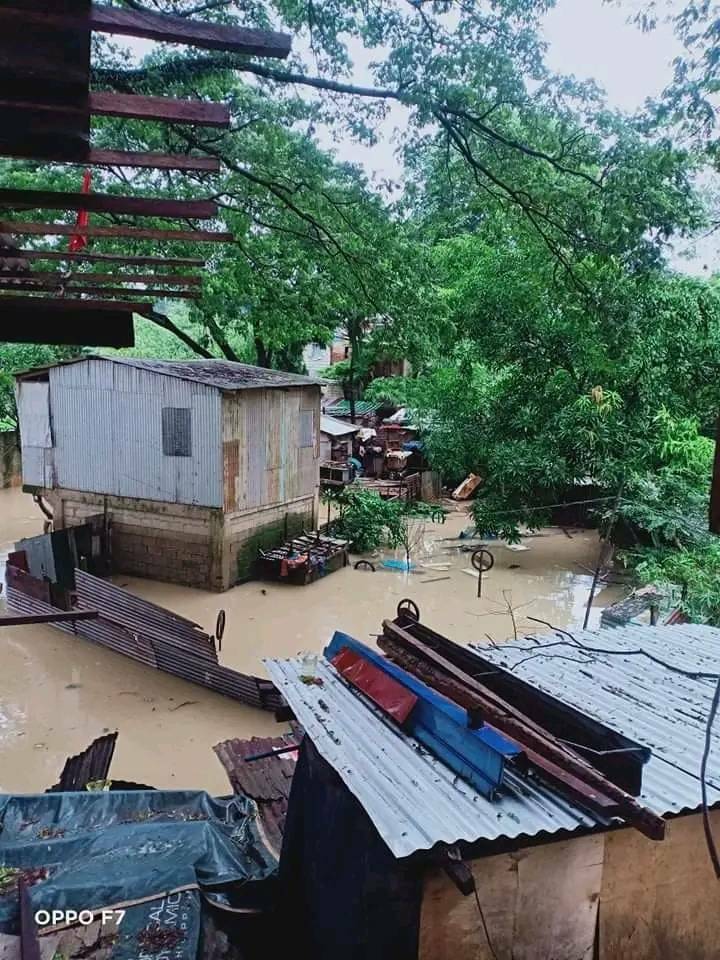
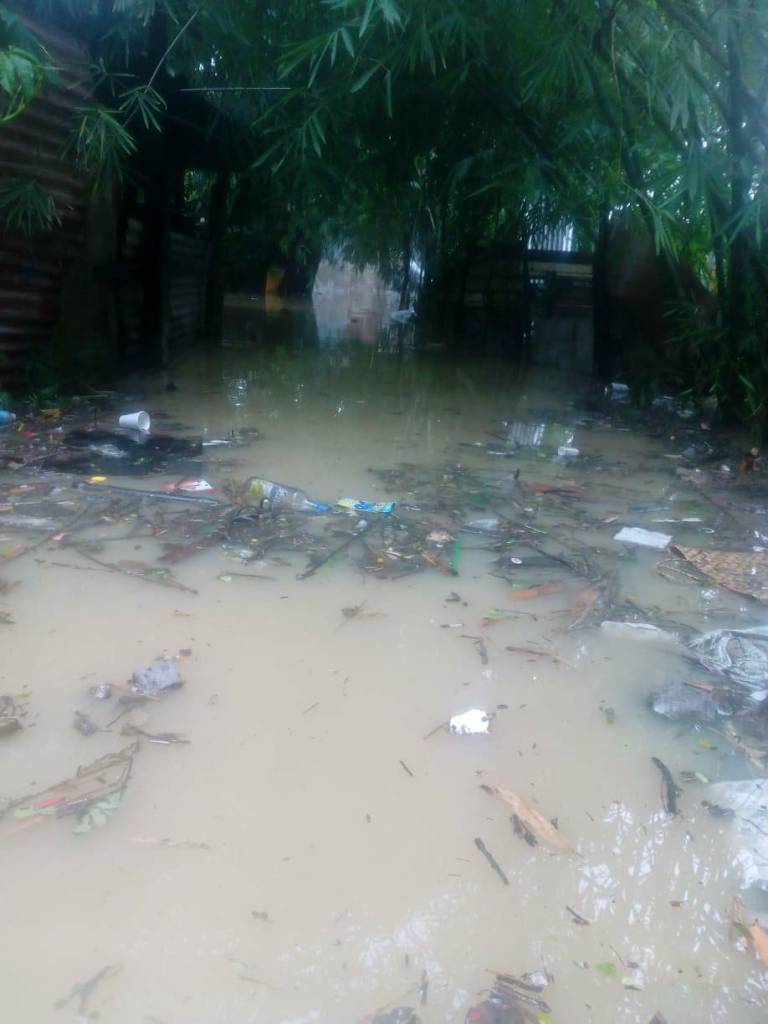
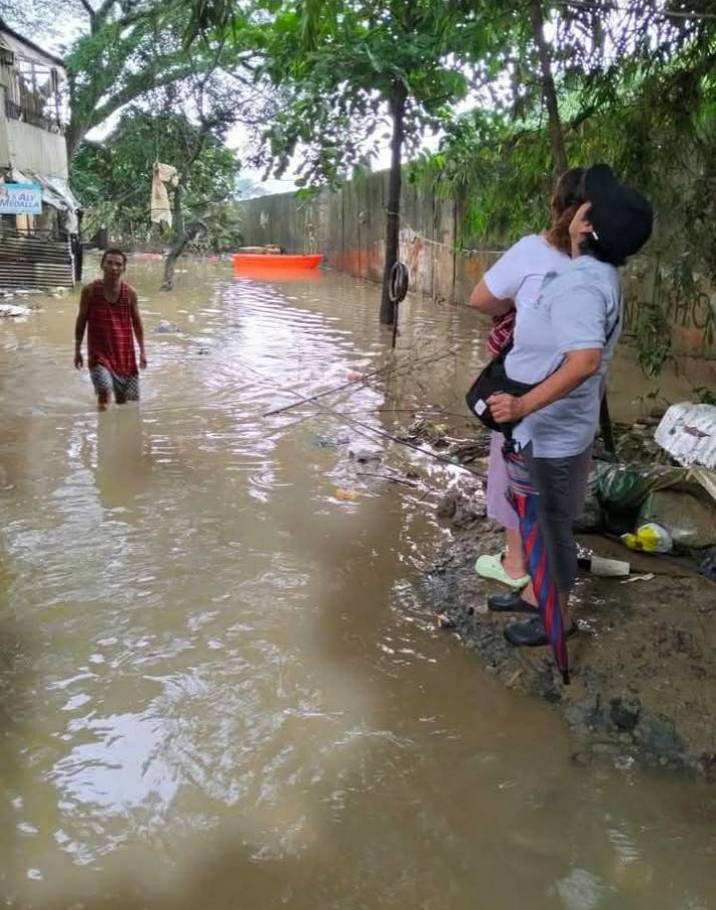
The reality of these storms was stark for the gardeners involved. “Gayunman, hindi kami ligtas sa naging epekto ng malalakas na bagyo kung saan ang mga panimulang plots ay nasira at tinangay ng tubig-baha. Bagama’t mahusay na naharap paano makapagtulungan ang bawat-isa ang mga nabanggit na panimulang vegetable garden ay hindi na nisalba pa” (However, we were not spared from the effects of the strong typhoon, where the initial plots were destroyed and swept away by floodwaters. Although it was handled well how everyone could collaborate, the mentioned initial vegetable garden was not saved), a resident noted.
Despite these challenges, the project maintained its momentum by adapting its strategies to the immediate needs of the people. Residents quickly applied their training to find innovative solutions for the future. They discovered that “isa sa mga natutunan namin ay ang pagtatayo ng hanging herbal garden kung saan ang mga punla ay nakatanim sa mga basyo ng sira nang balde, empty plastic water gallon at iba pang maaaring pagtaniman. Maaari itong palaguin kahit sa panahon ng bagyo bagay na nadiskubre naming nang masira ang nasabing vegetable garden” (One of the things we learned was how to build a hanging herbal garden, where seedlings are planted in the bottoms of broken buckets, empty plastic water gallons, and other containers suitable for planting. These can be grown even during typhoons, which is what we discovered after the mentioned vegetable garden was destroyed).
The experience offered profound insights for future efforts. It became clear that food security strategies in these regions must be more flexible and resilient. The project demonstrated that community empowerment is the true measure of success. Even when the storms disrupted plans, the knowledge and solidarity built within these communities remained strong. The training sessions successfully increased disaster awareness among hundreds of potential beneficiaries. Community members in Baguio City identified specific hazards and created practical plans to address them given the changing risks. The strengthening of local networks proved invaluable, as community leaders stepped up to manage resources and support their neighbors during the floods.
As the waters receded and the landslides are cleared, the people of Bagong Silangan, Pinagbuhatan, and Baguio City are left with more than just the memory of the storms. They have a renewed sense of organization and a clearer understanding of how to protect their future. The project successfully laid the groundwork for long-term resilience. It proved that when communities are equipped with knowledge and support, their resilience can withstand even the fiercest of storms.