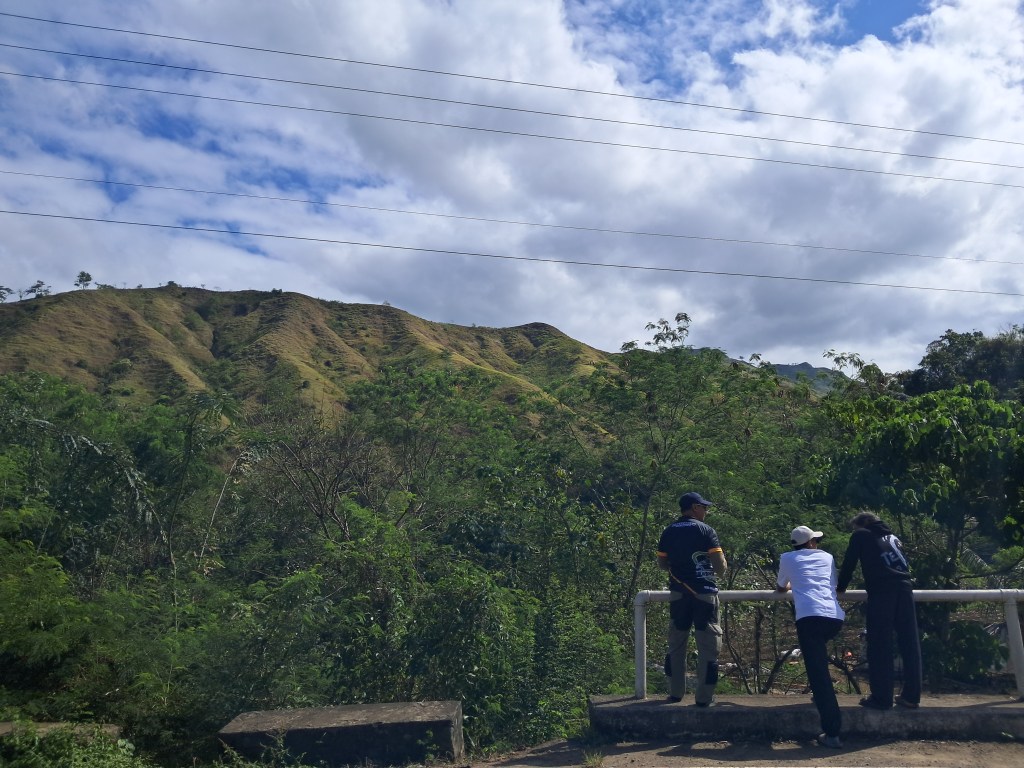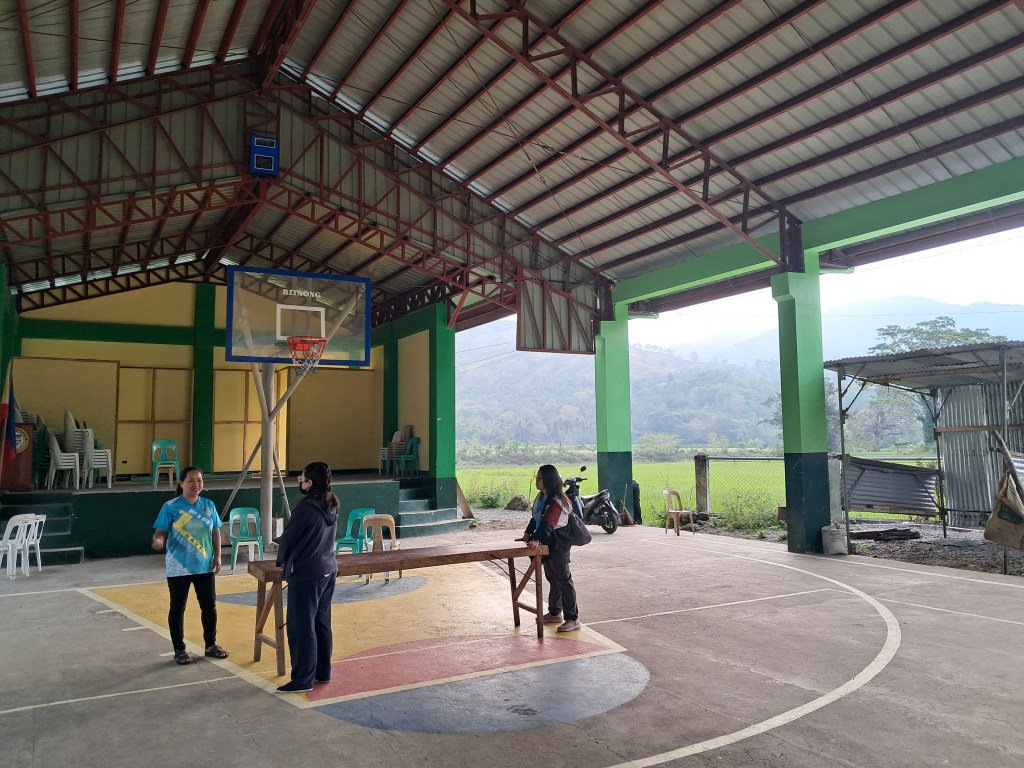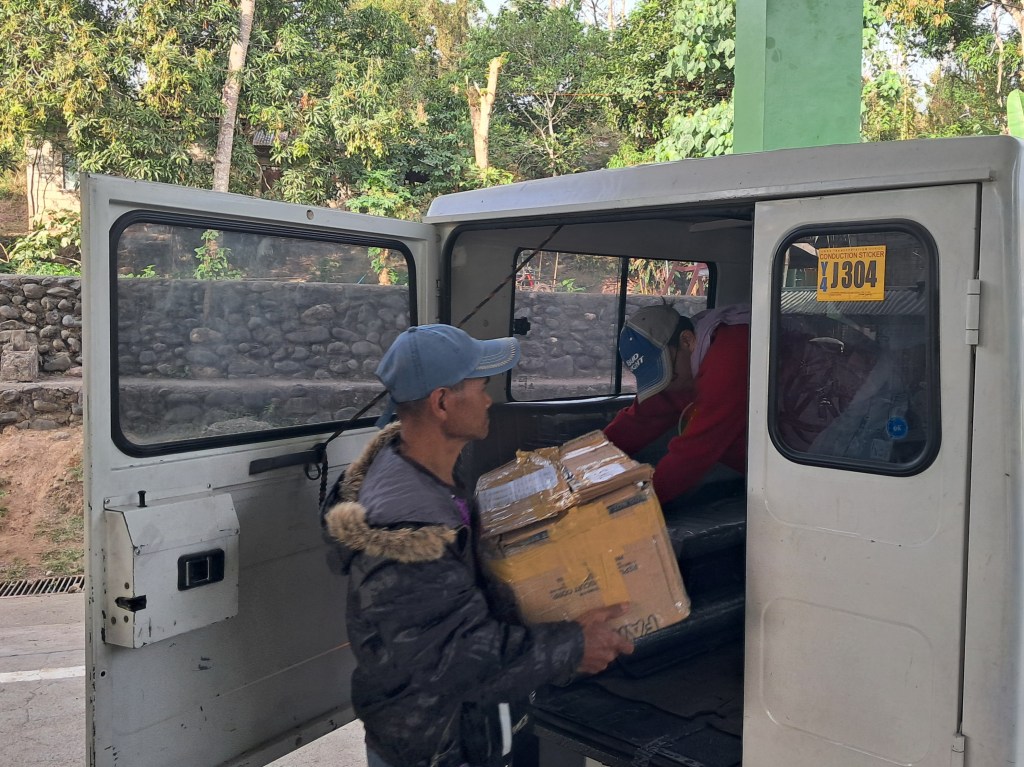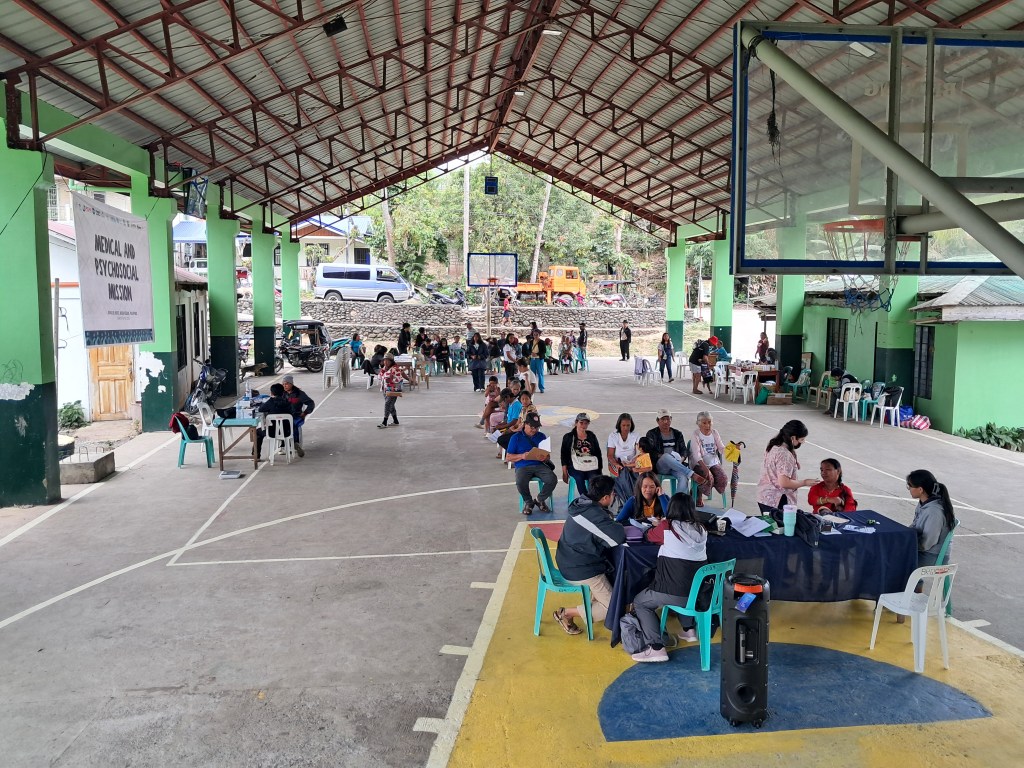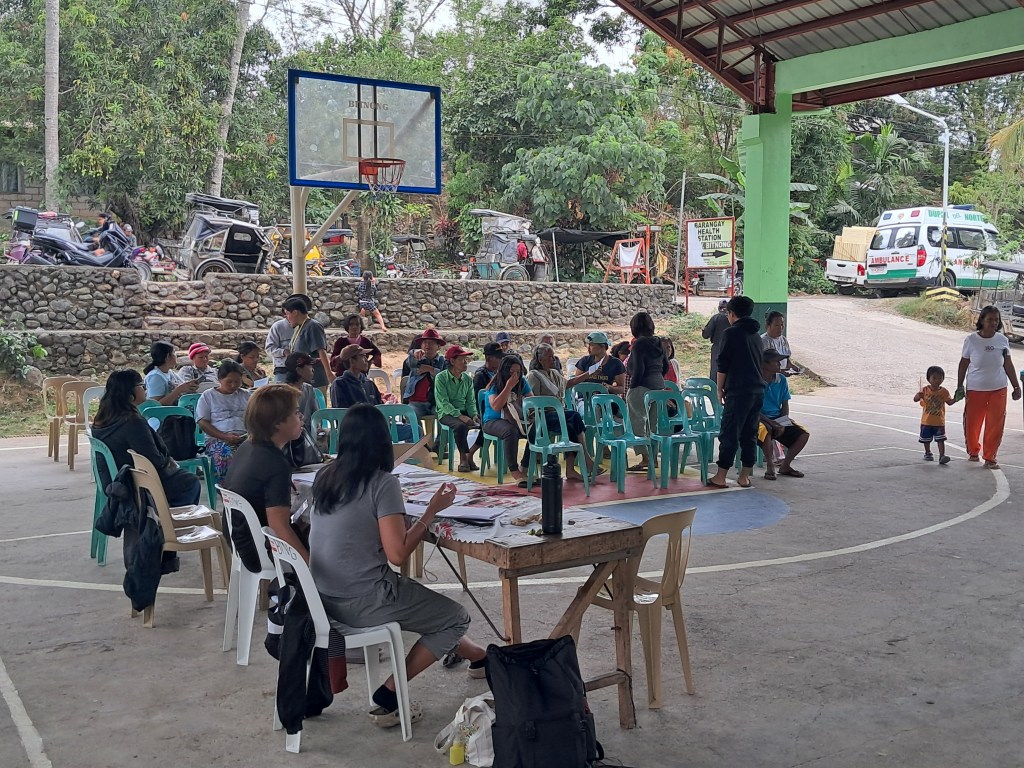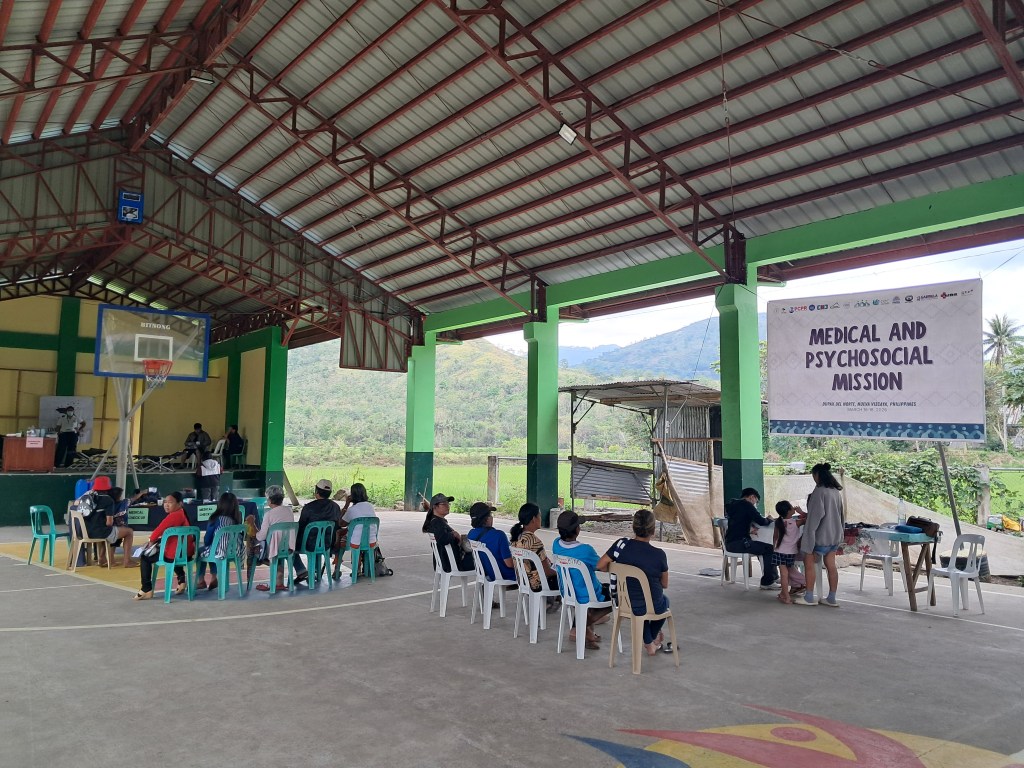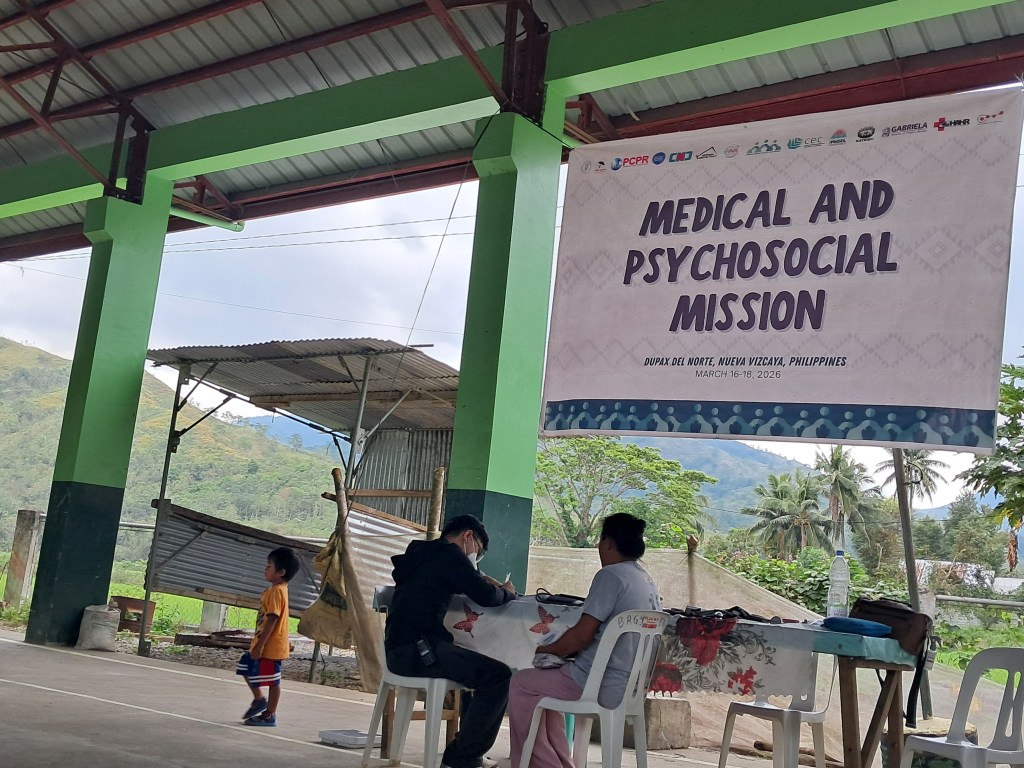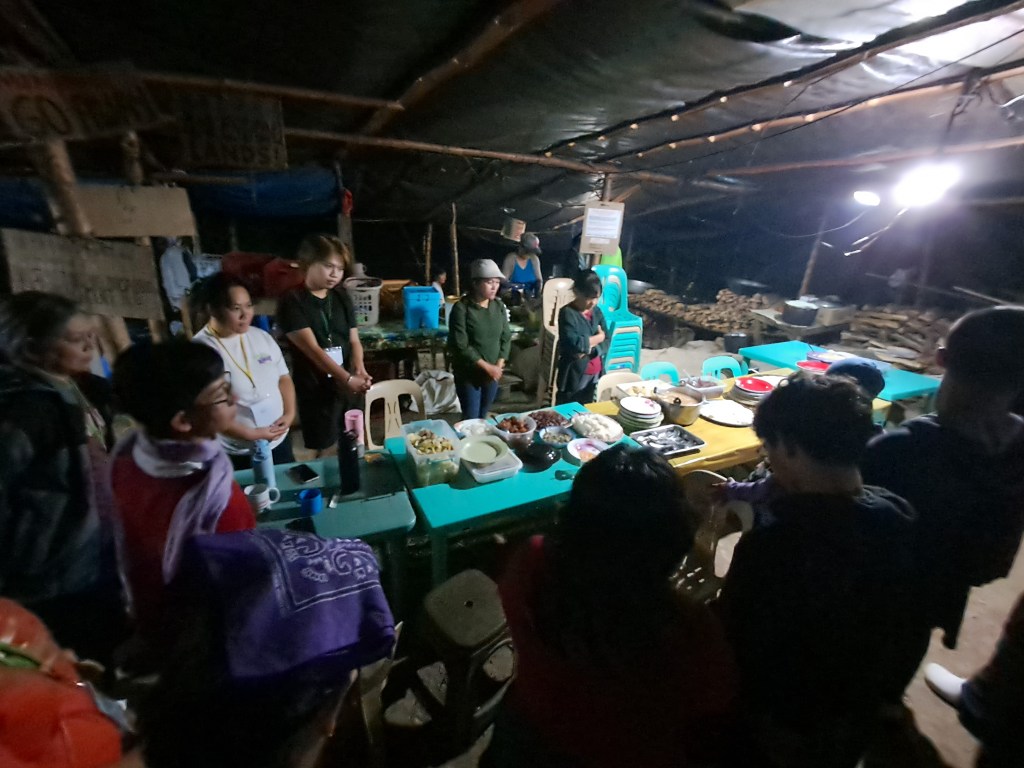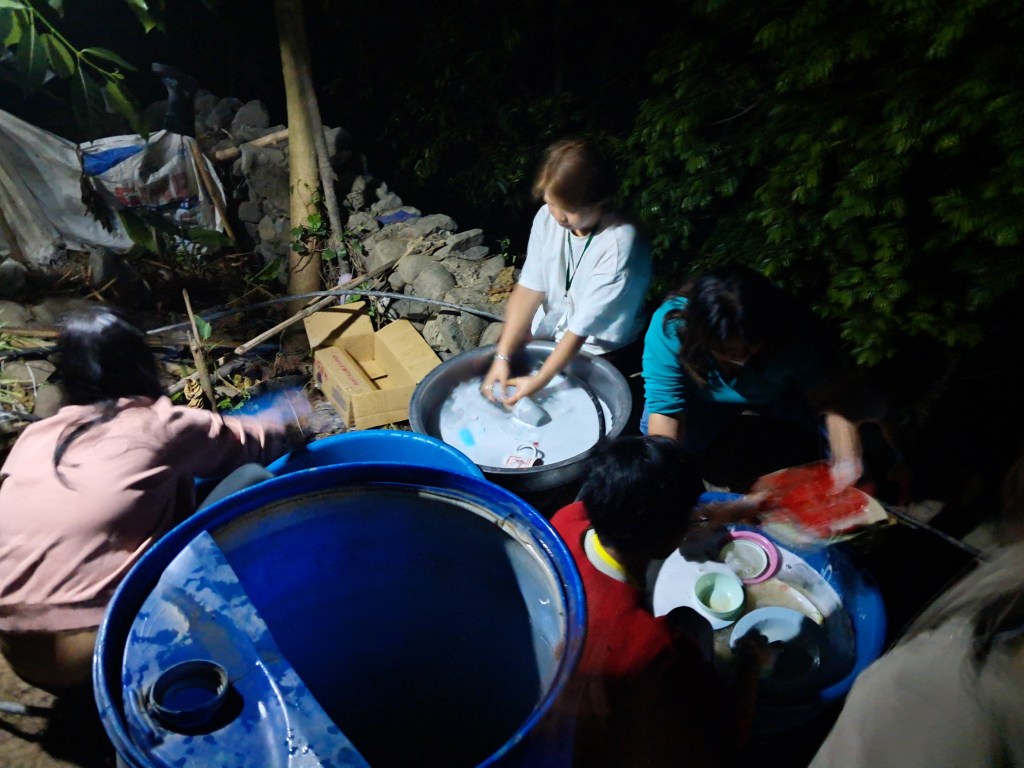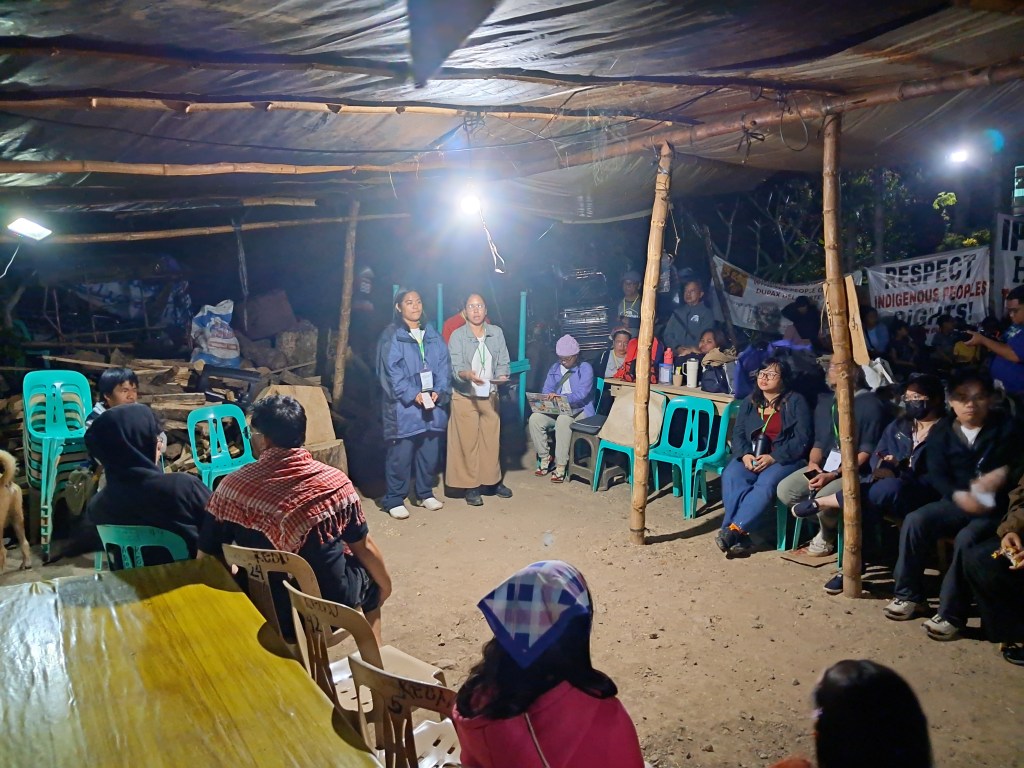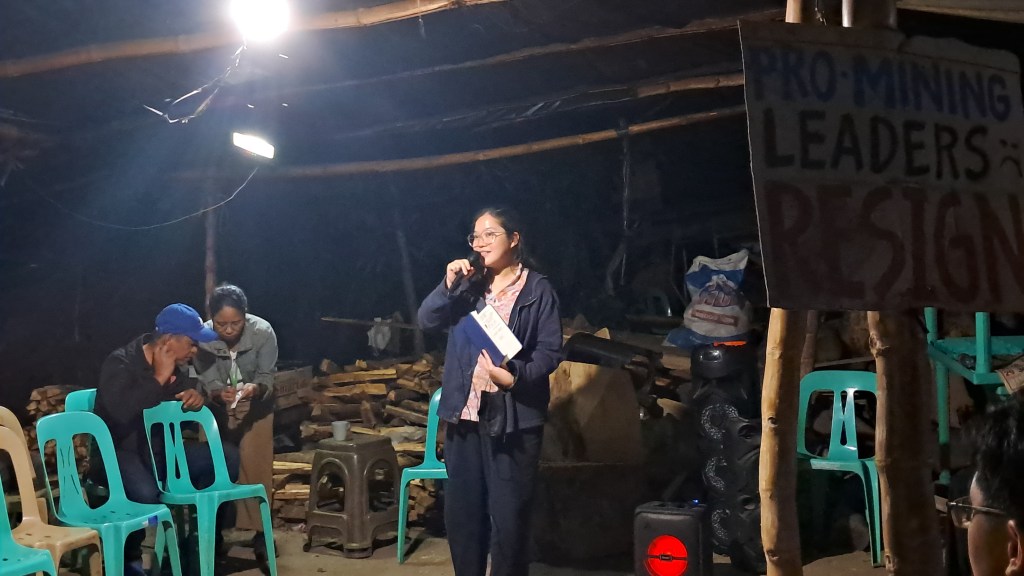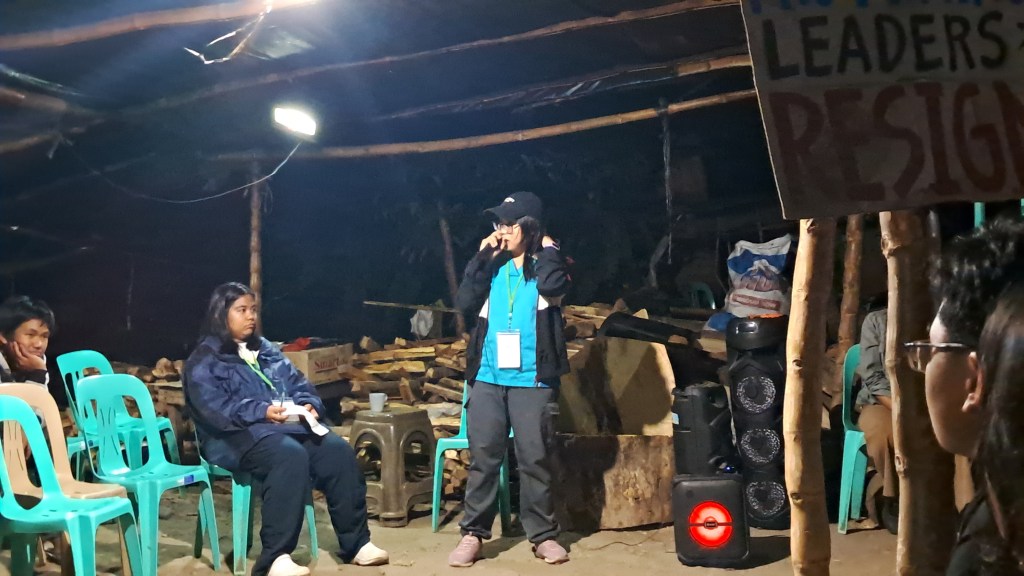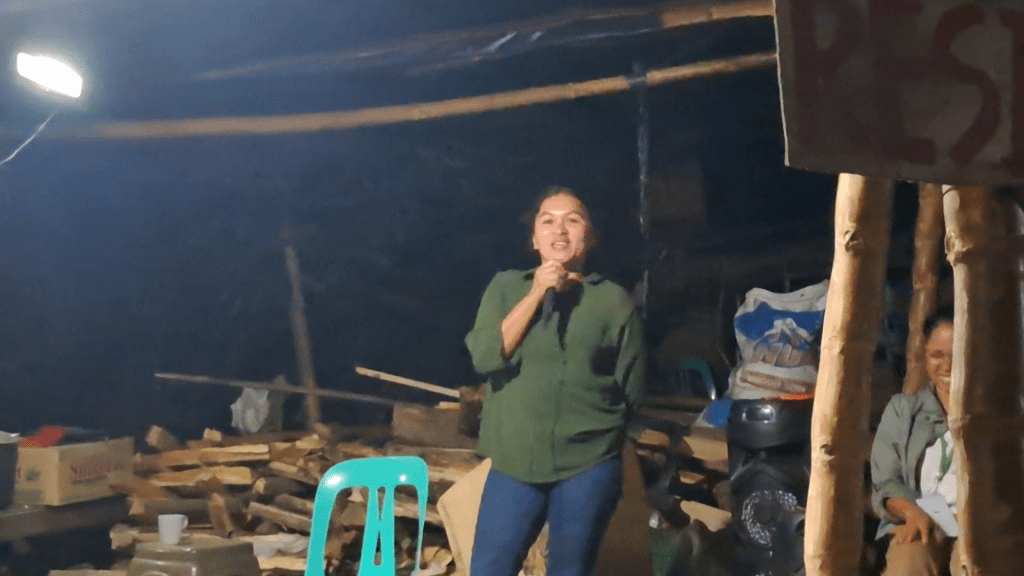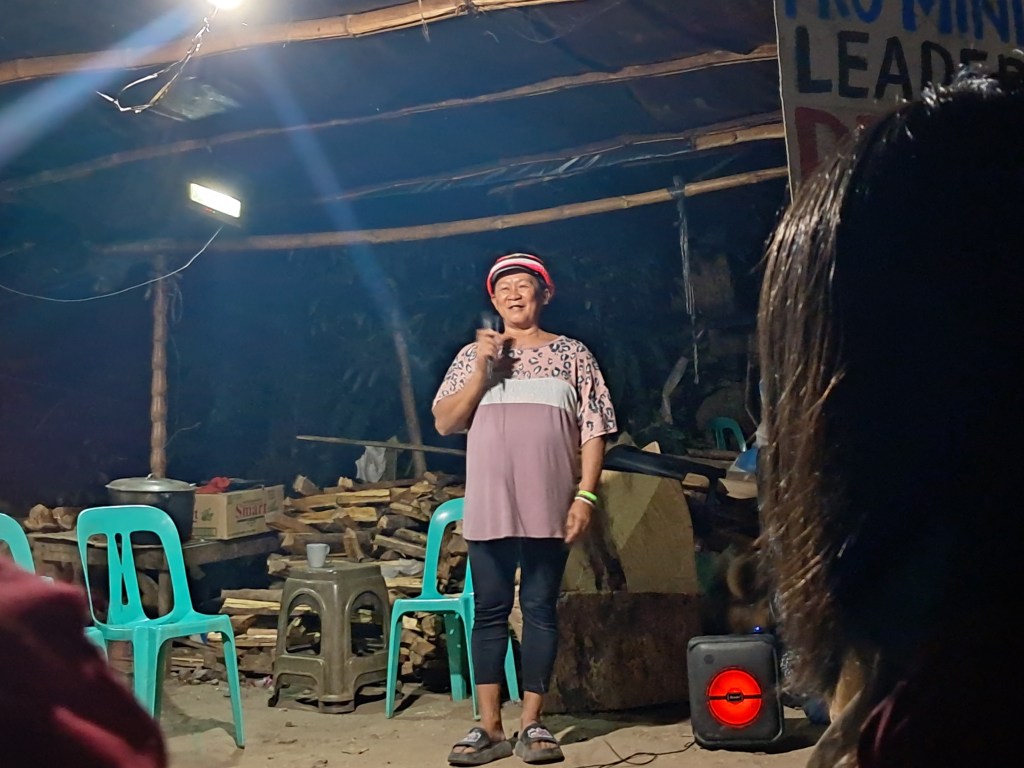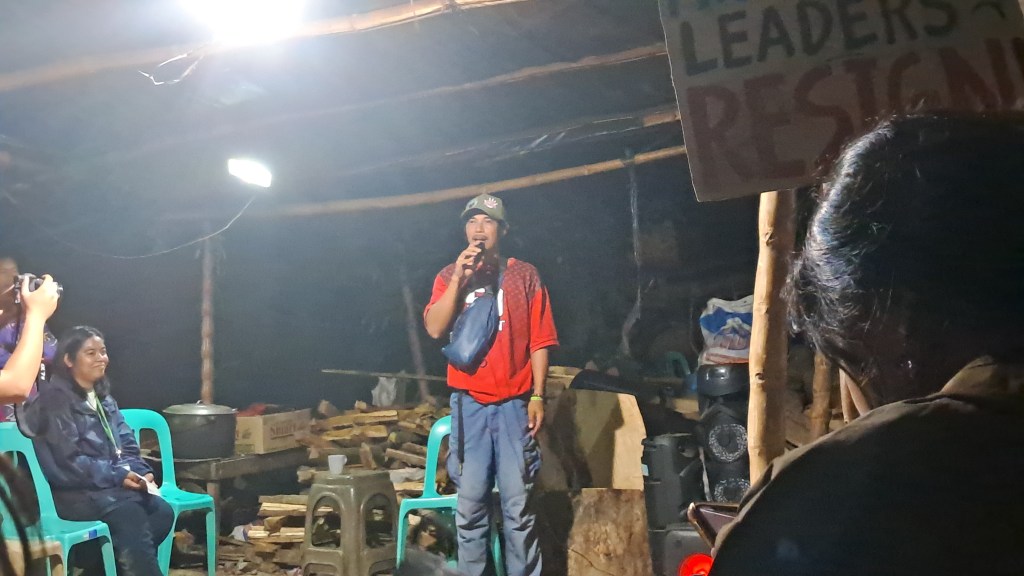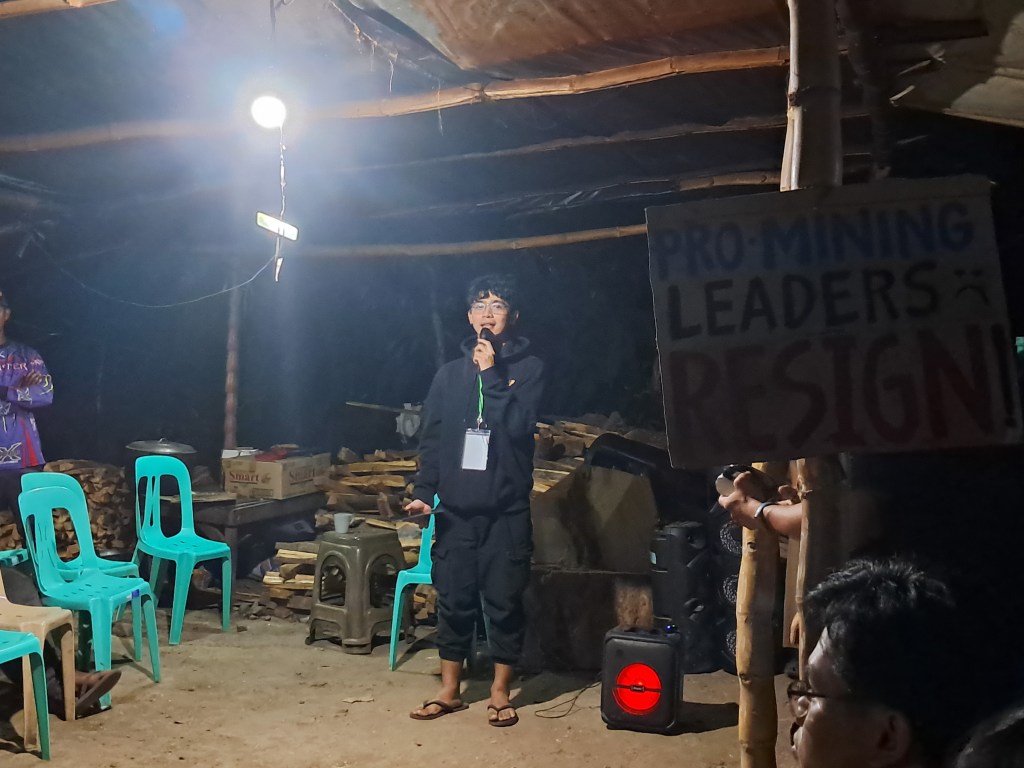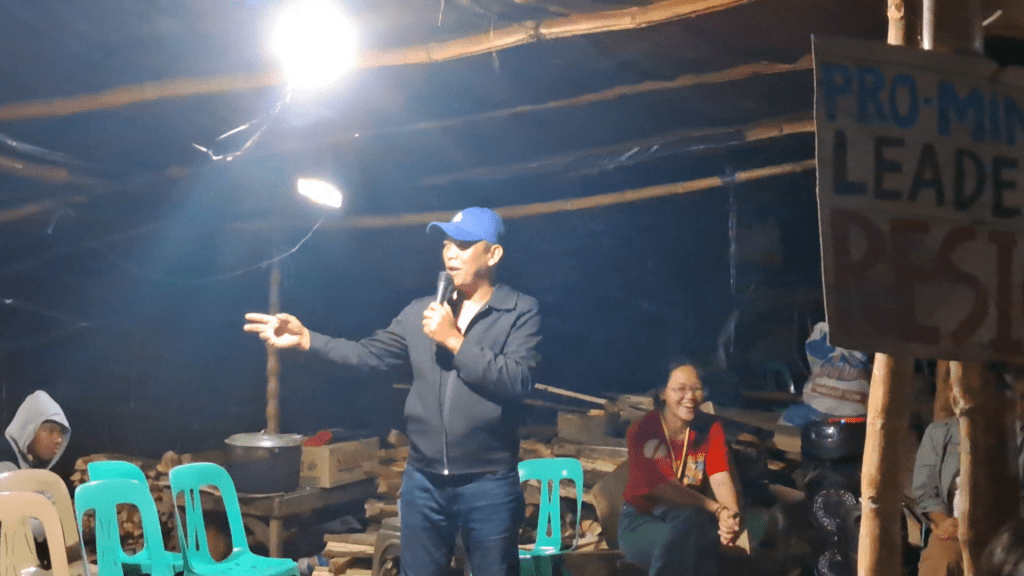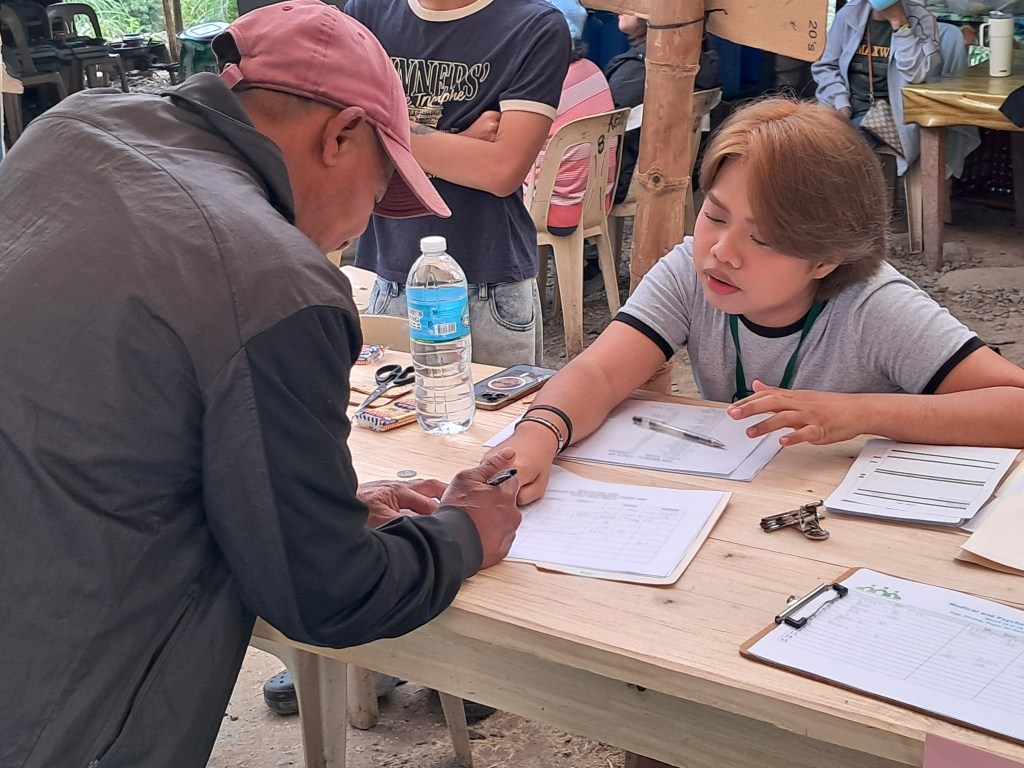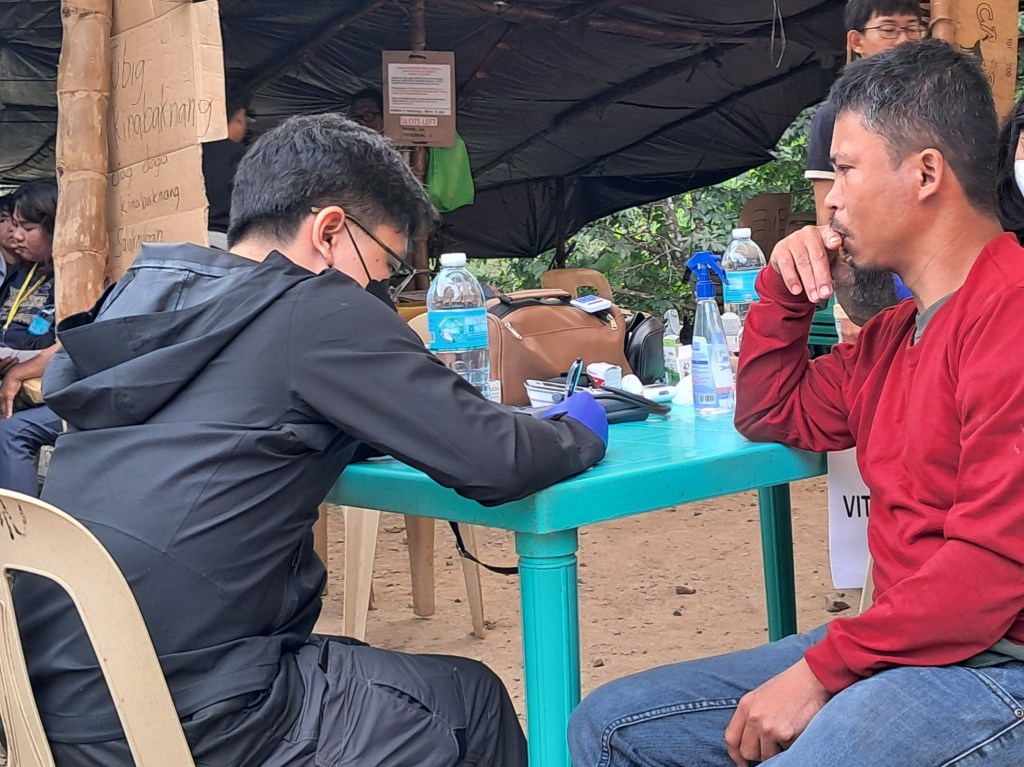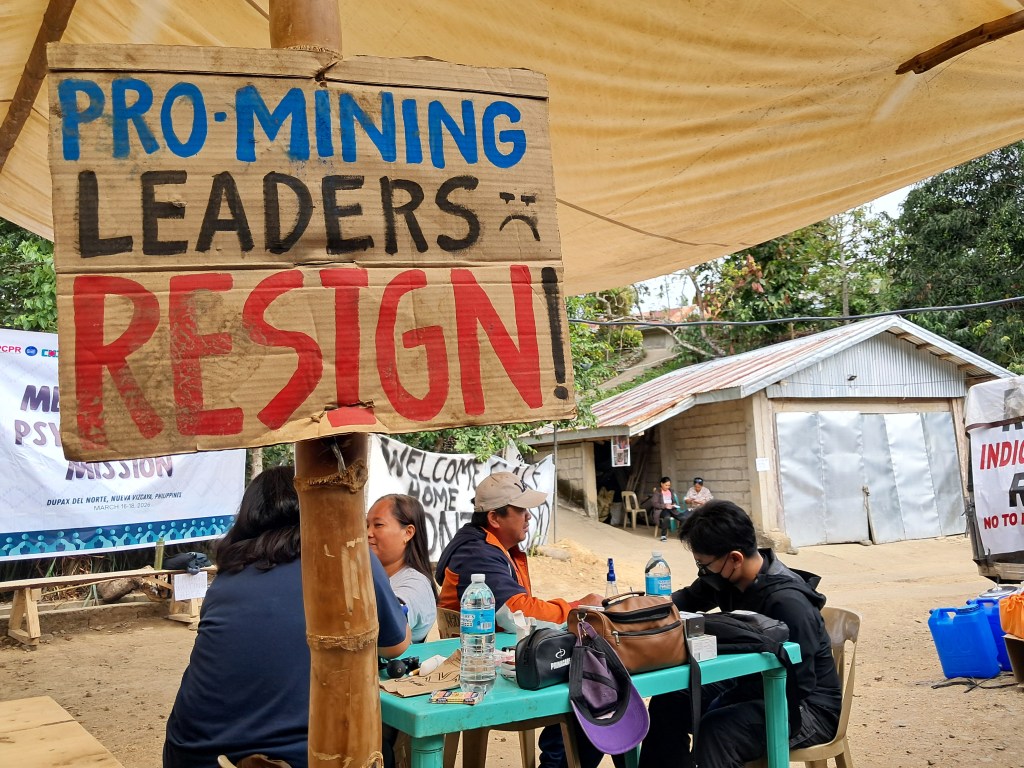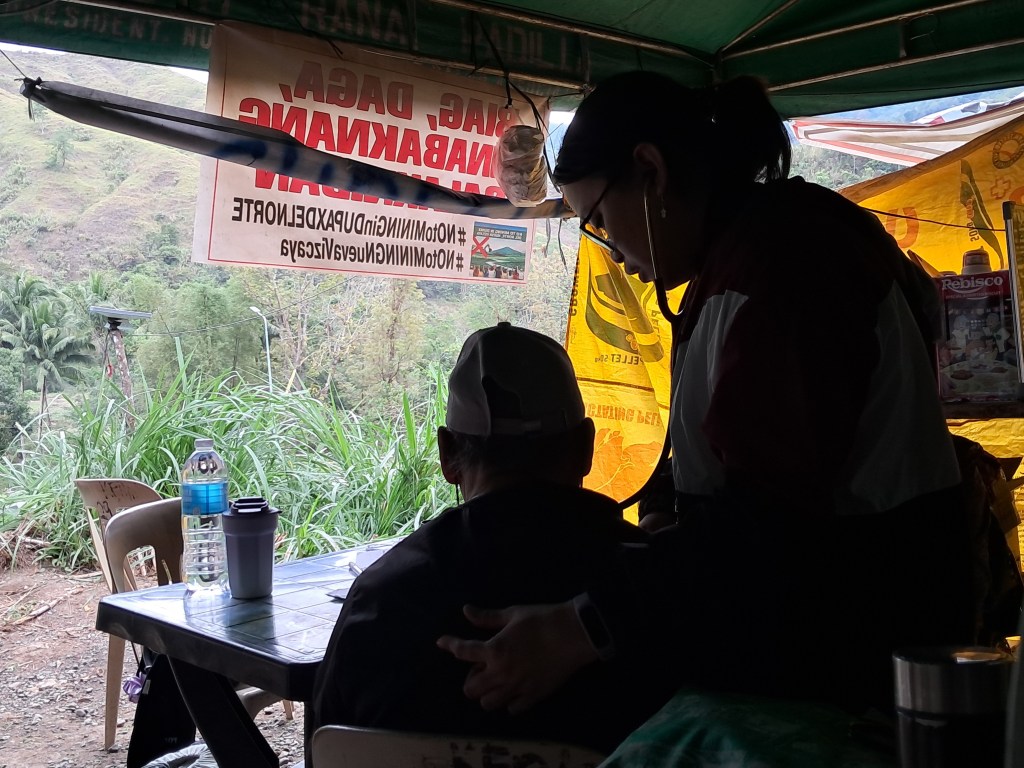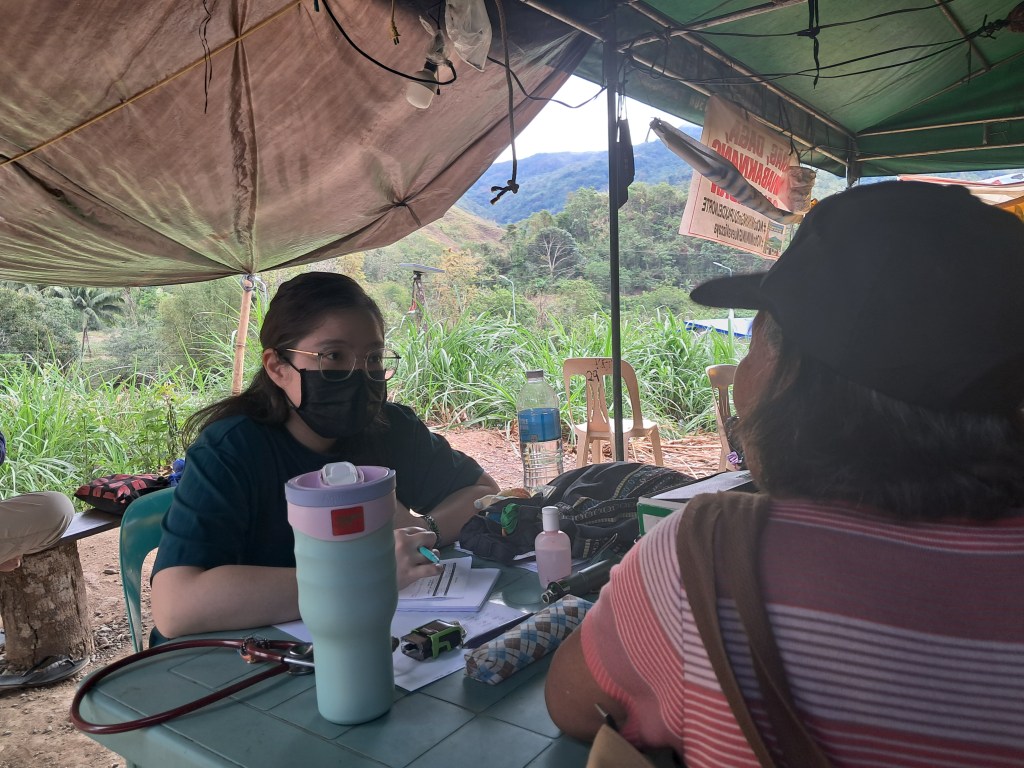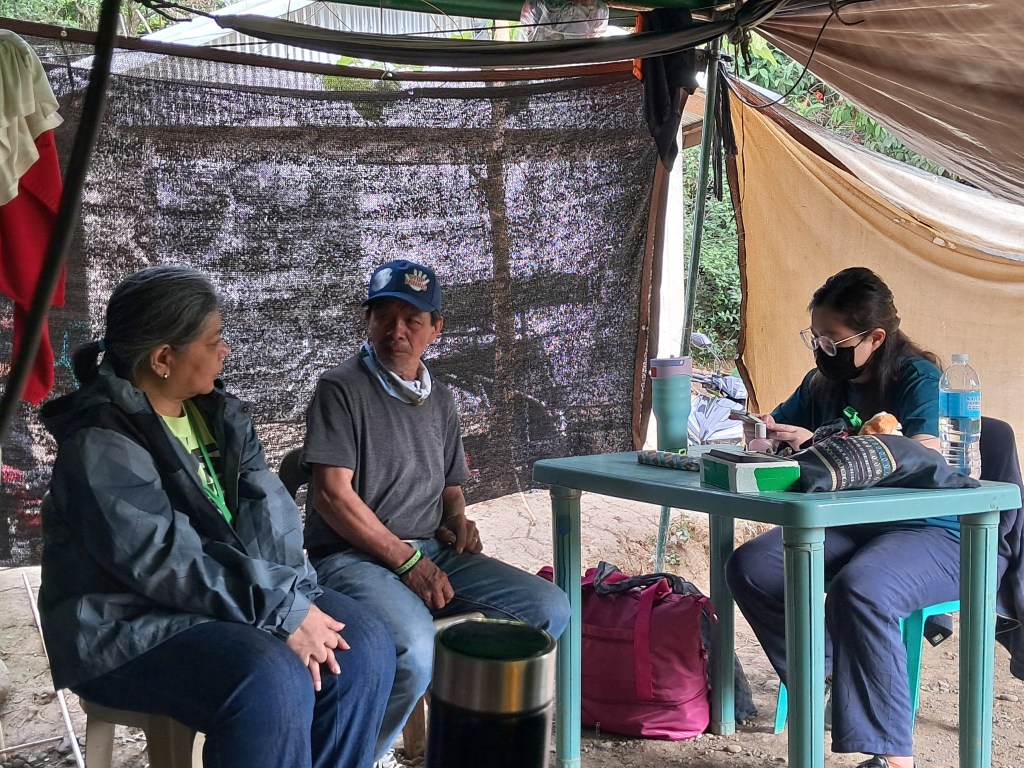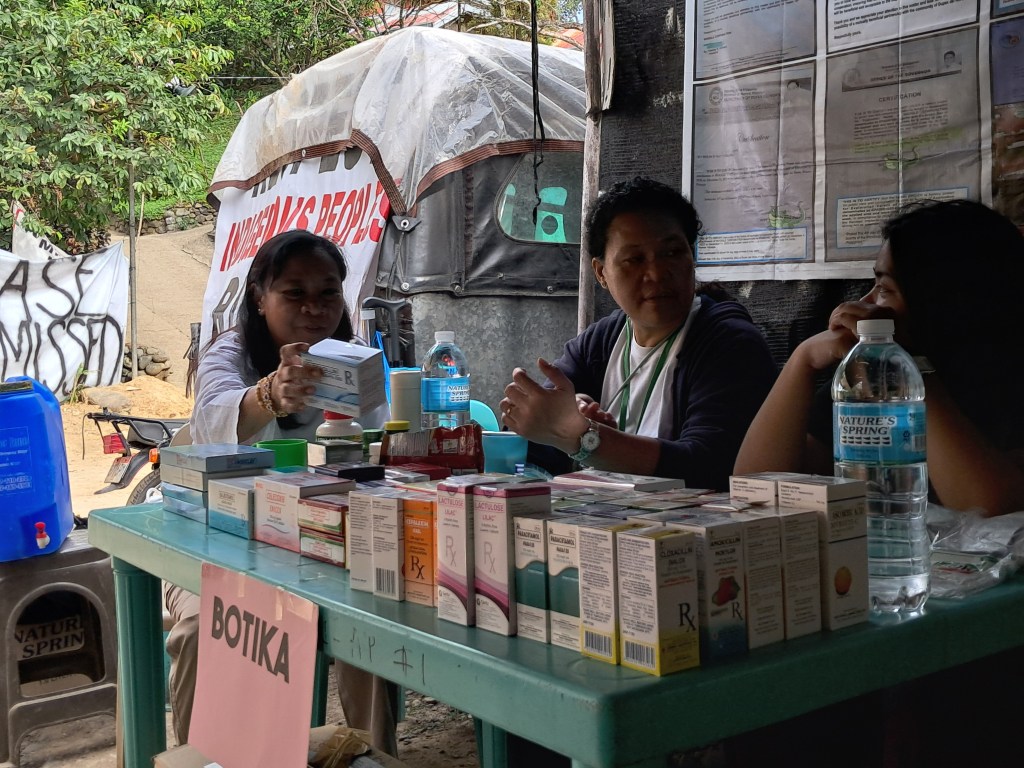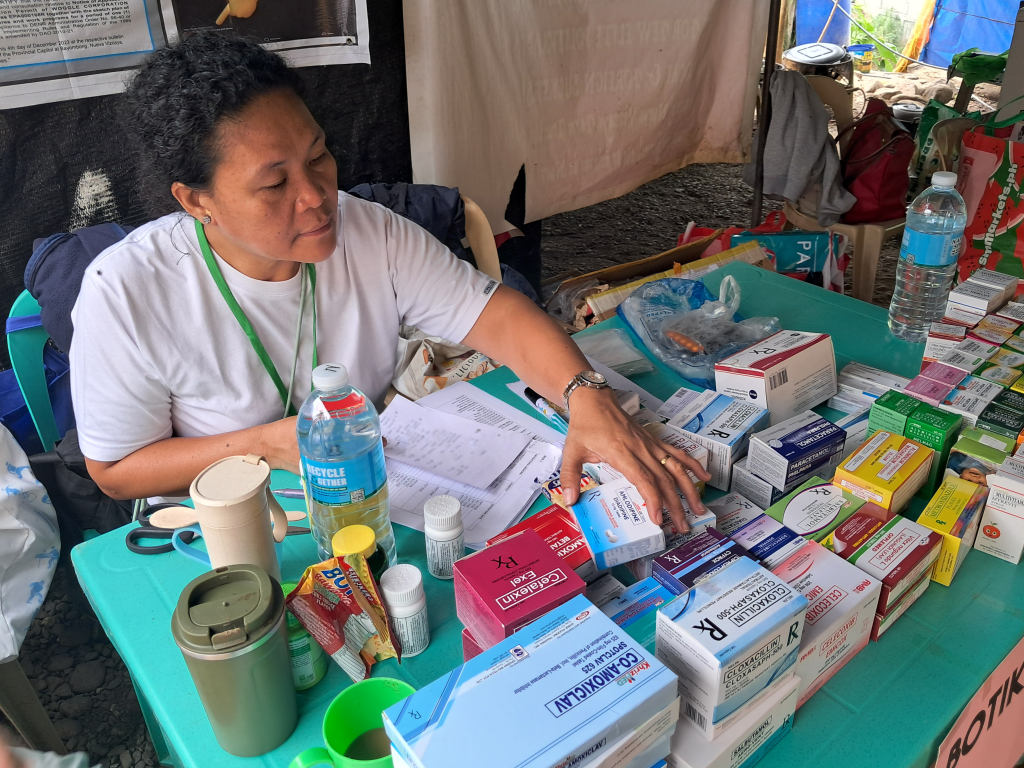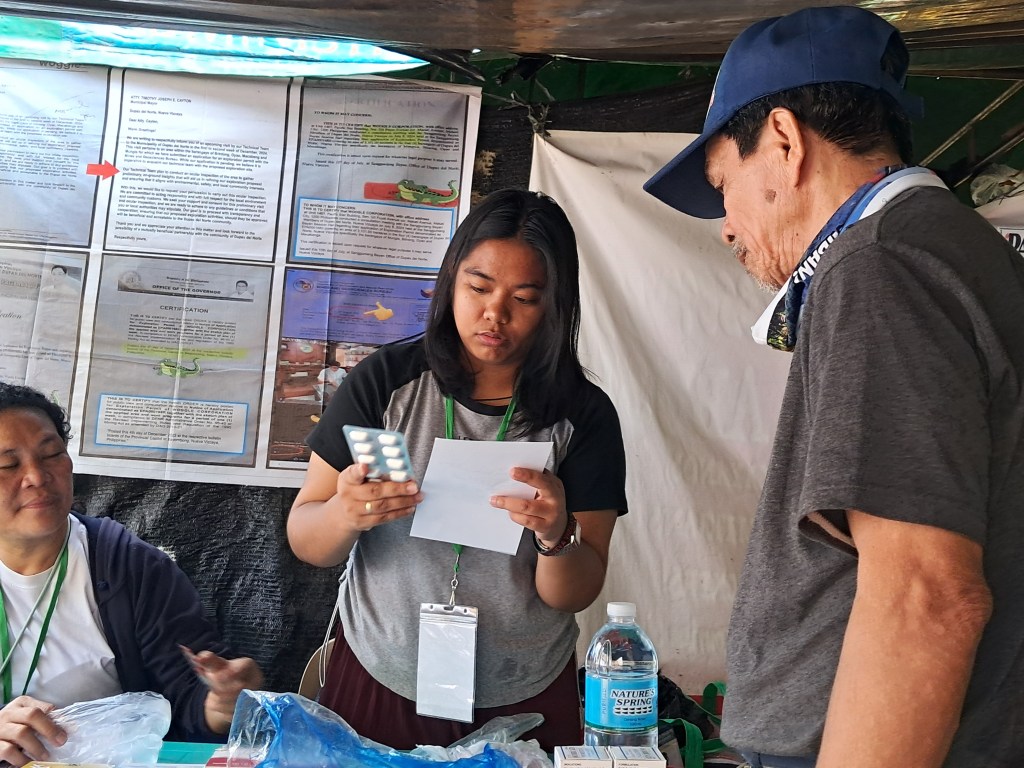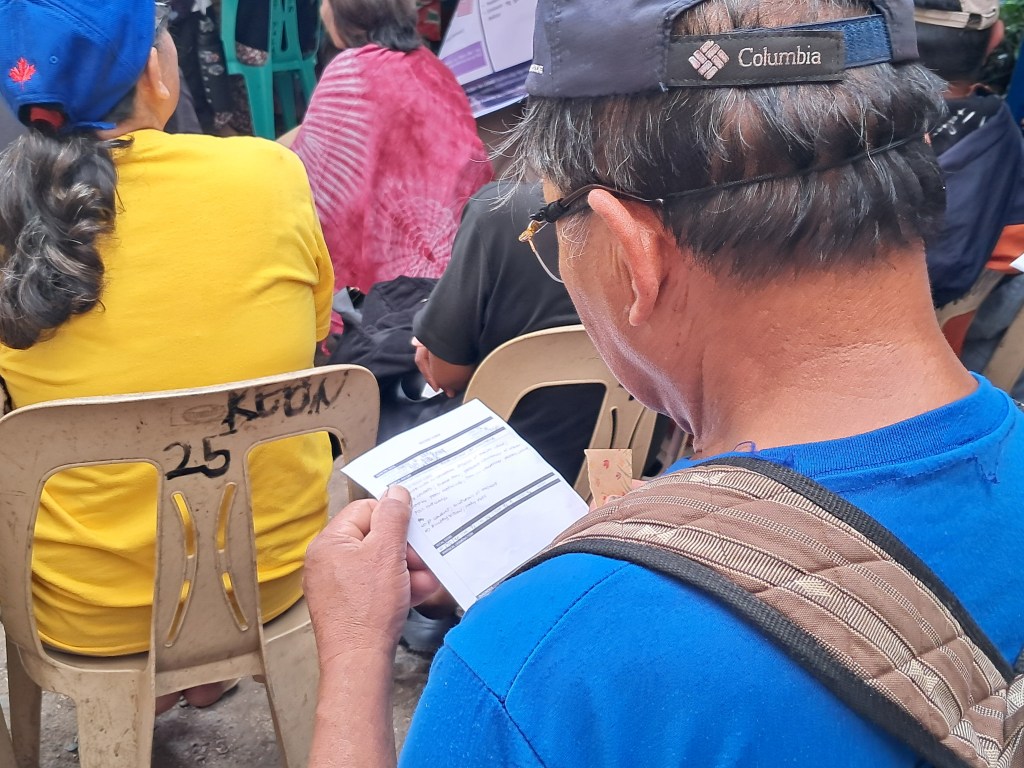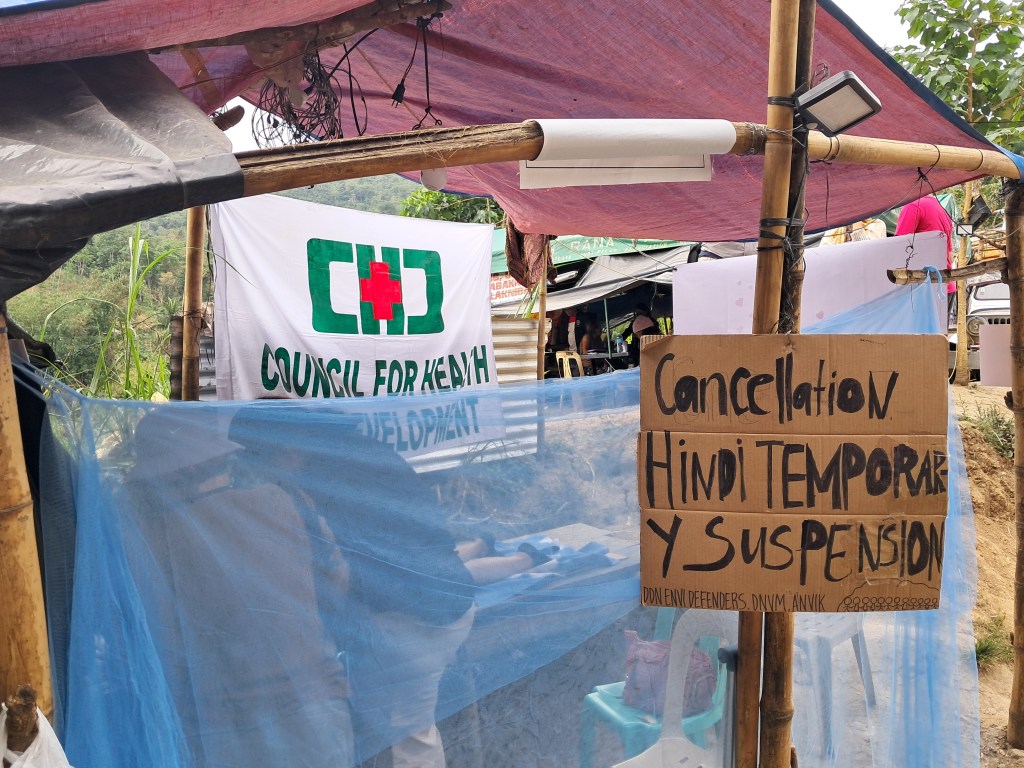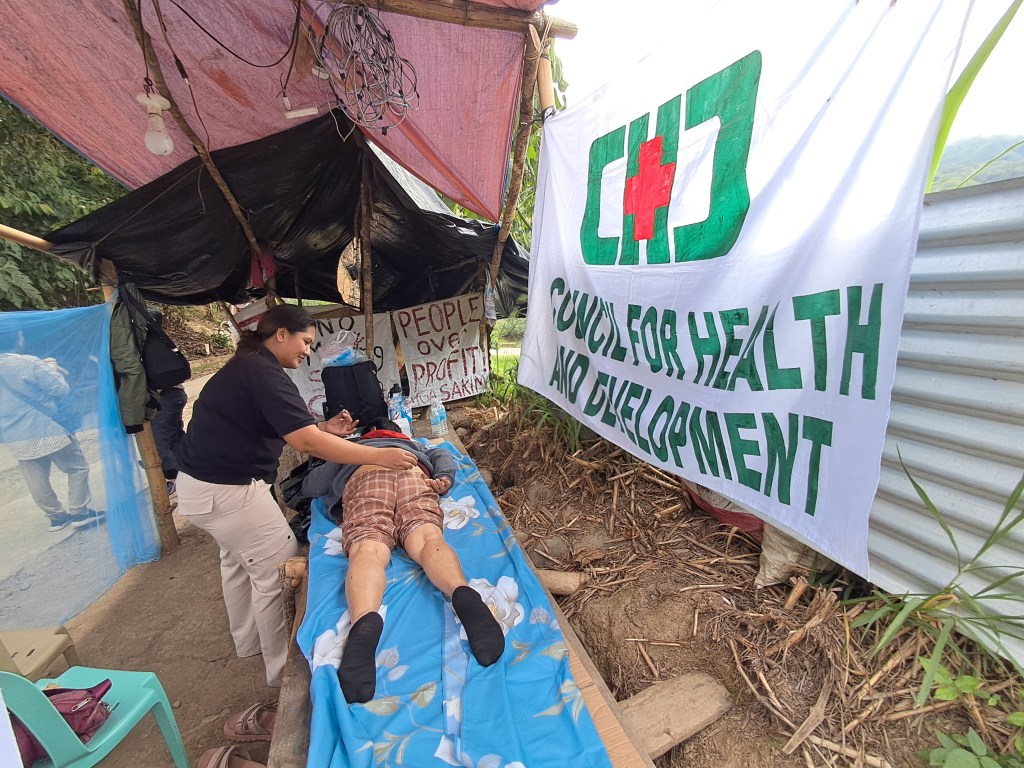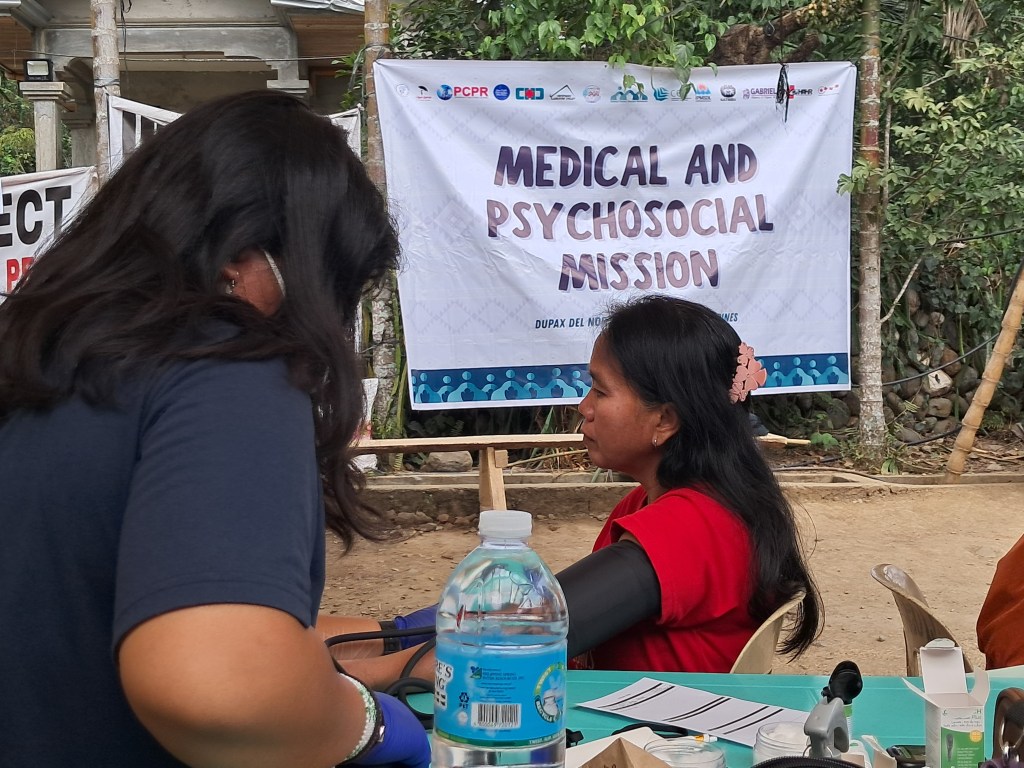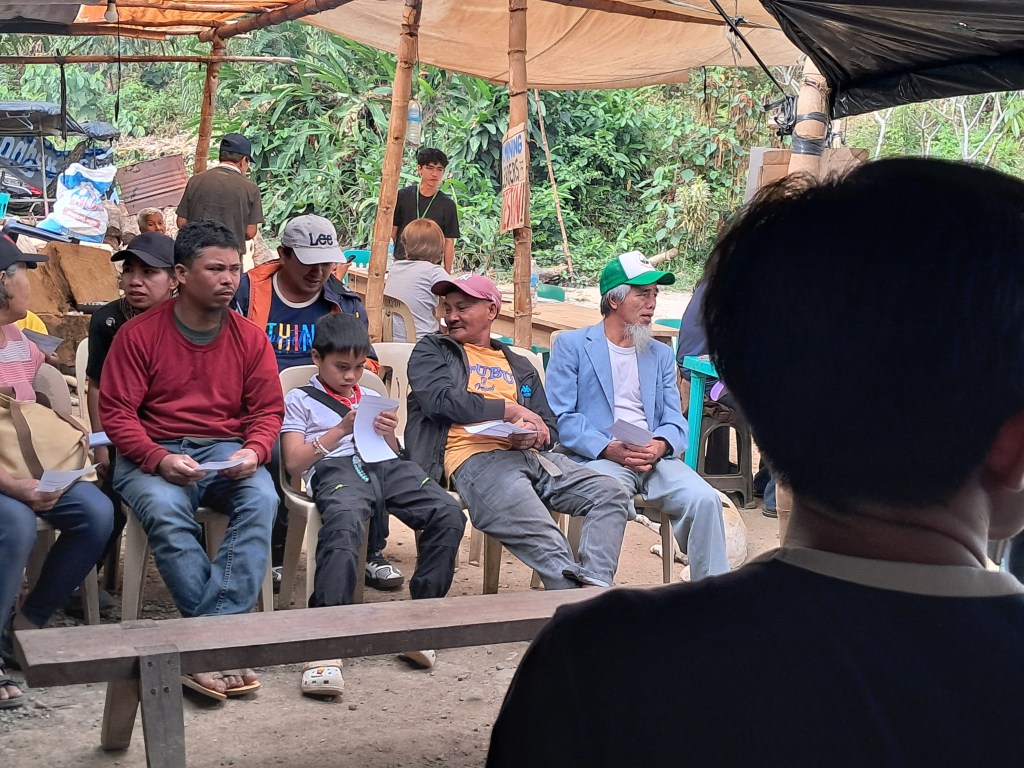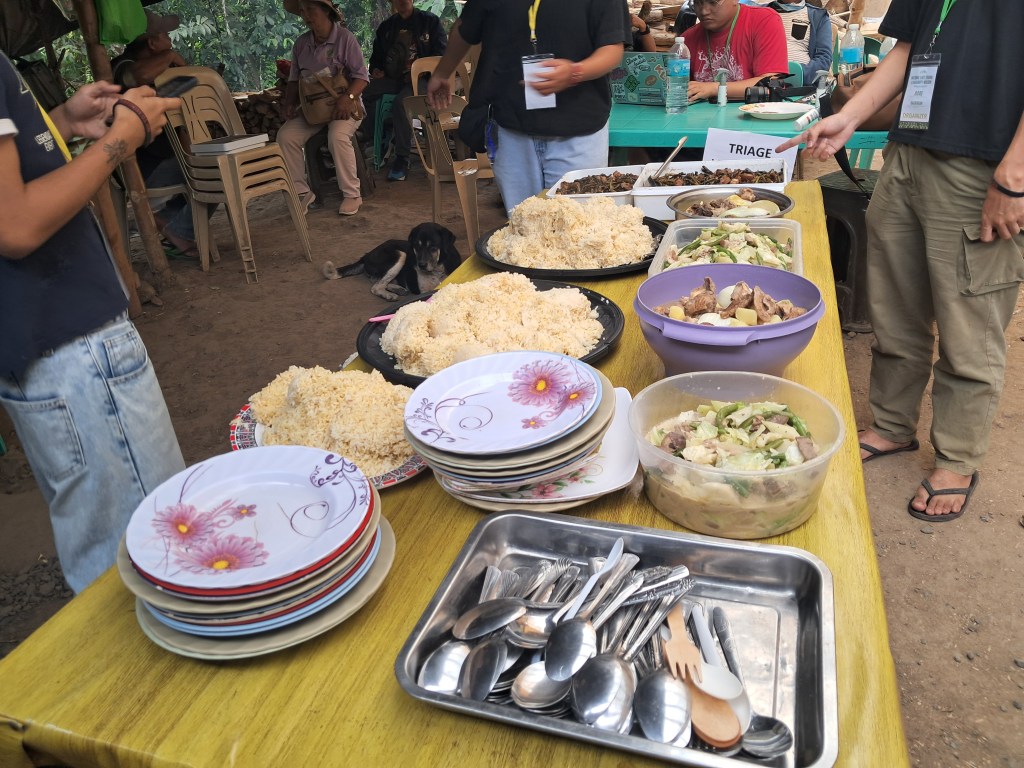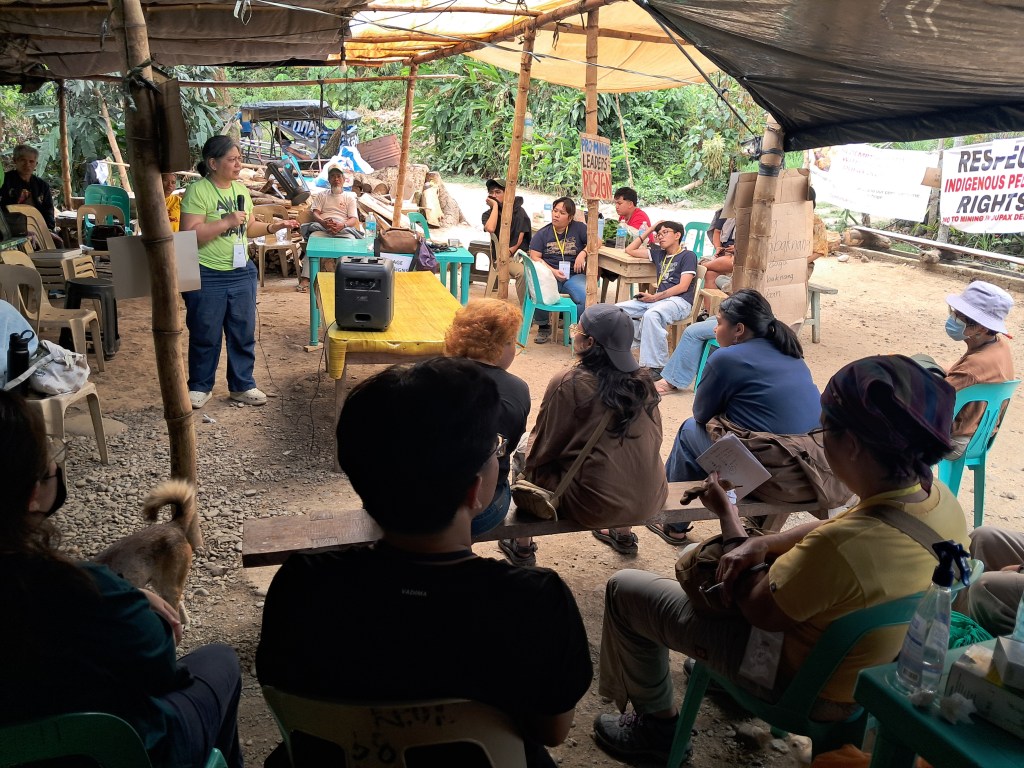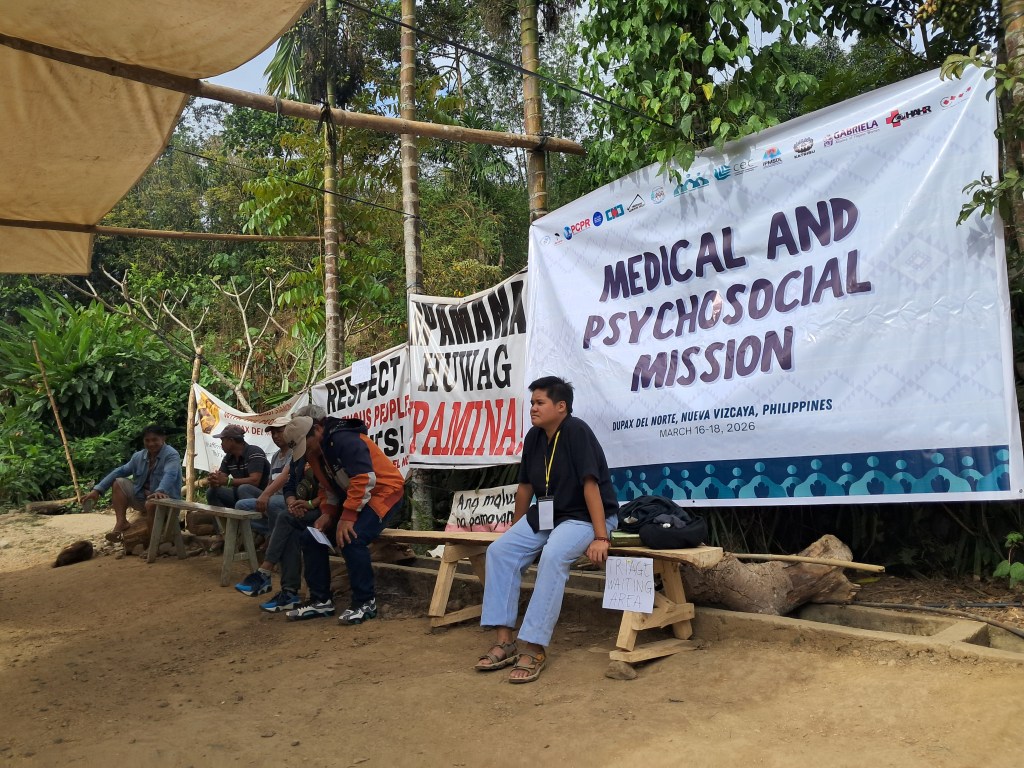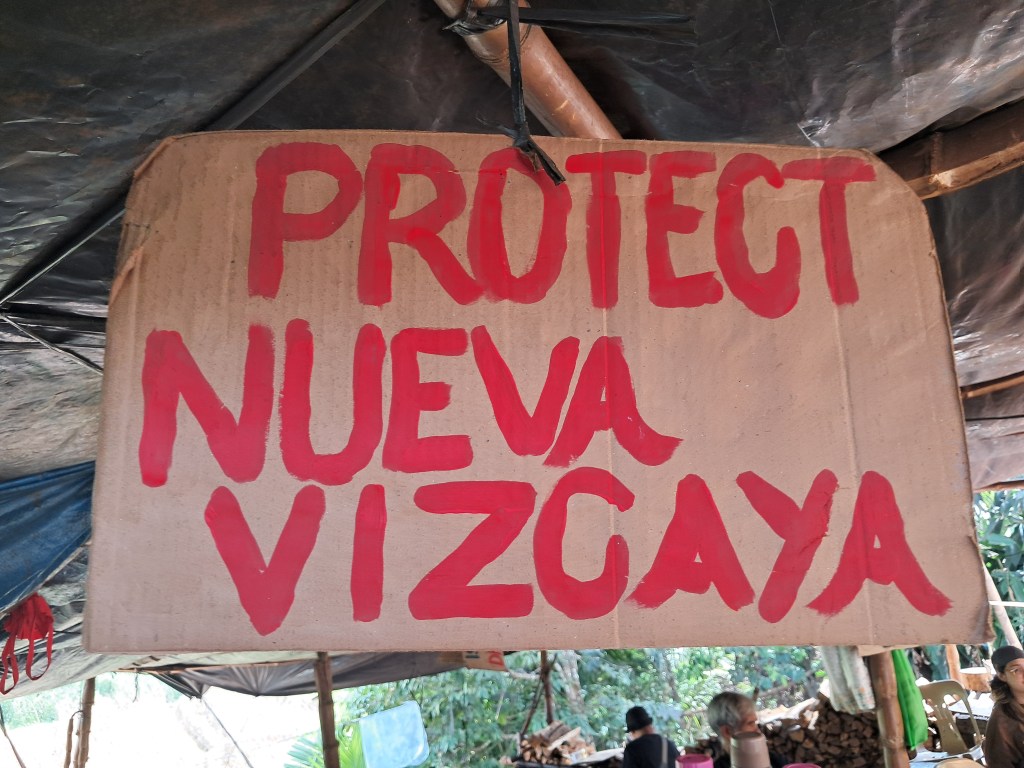
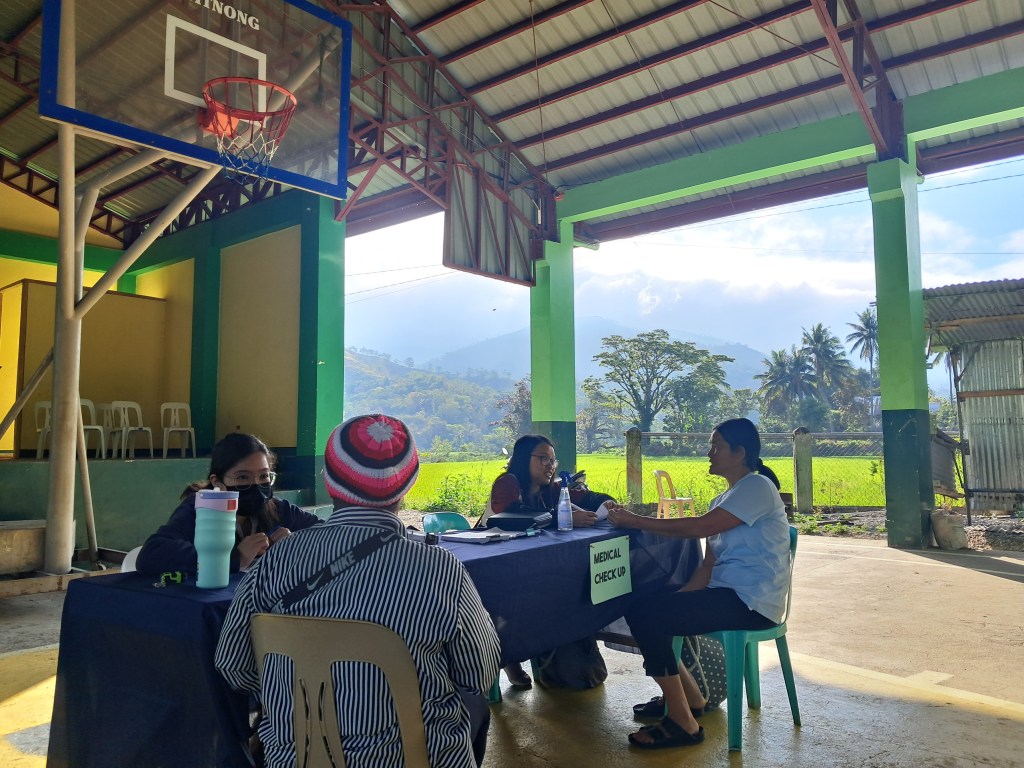
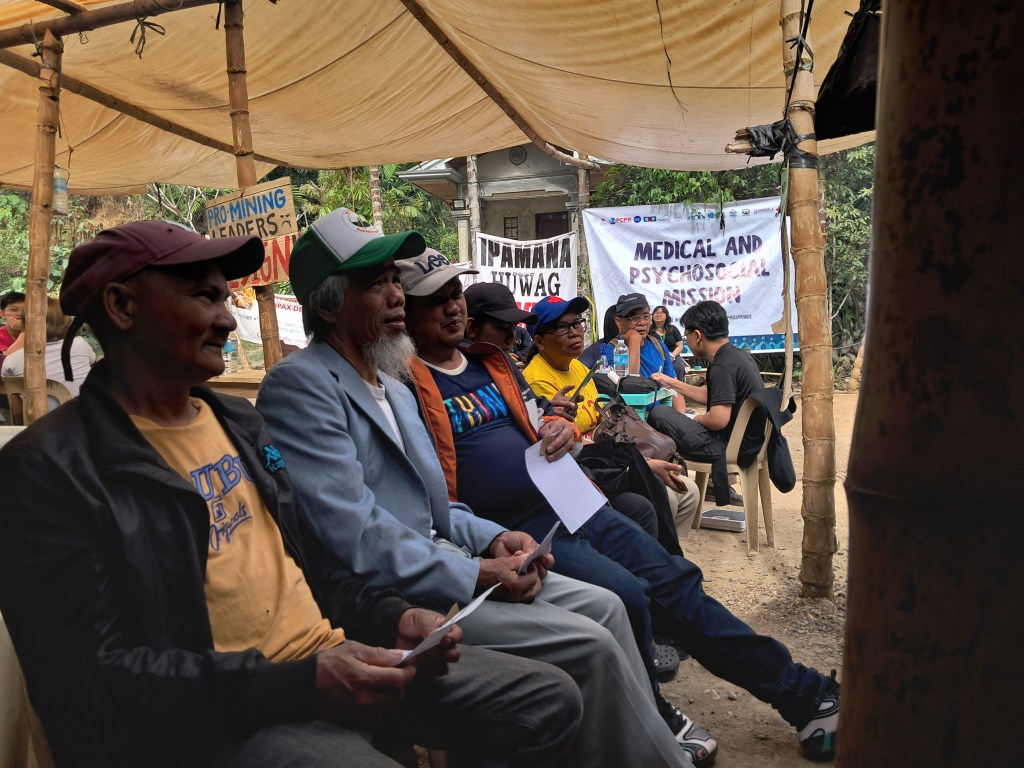
On March 16-18, the Council for Health and Development (CHD) partnered with environmentalist group Defend Nueva Vizcaya Movement and other health organizations including Health Action for Human Rights (HAHR), Philippines Nursing Students Association (PNSA), and Health Action for Democracy (HEAD) to conduct a medical mission at Dupax Del Norte, Nueva Vizcaya. It is part of a National Fact-Finding & Solidarity Mission lead and organized by Defend Nueva Vizcaya Movement.
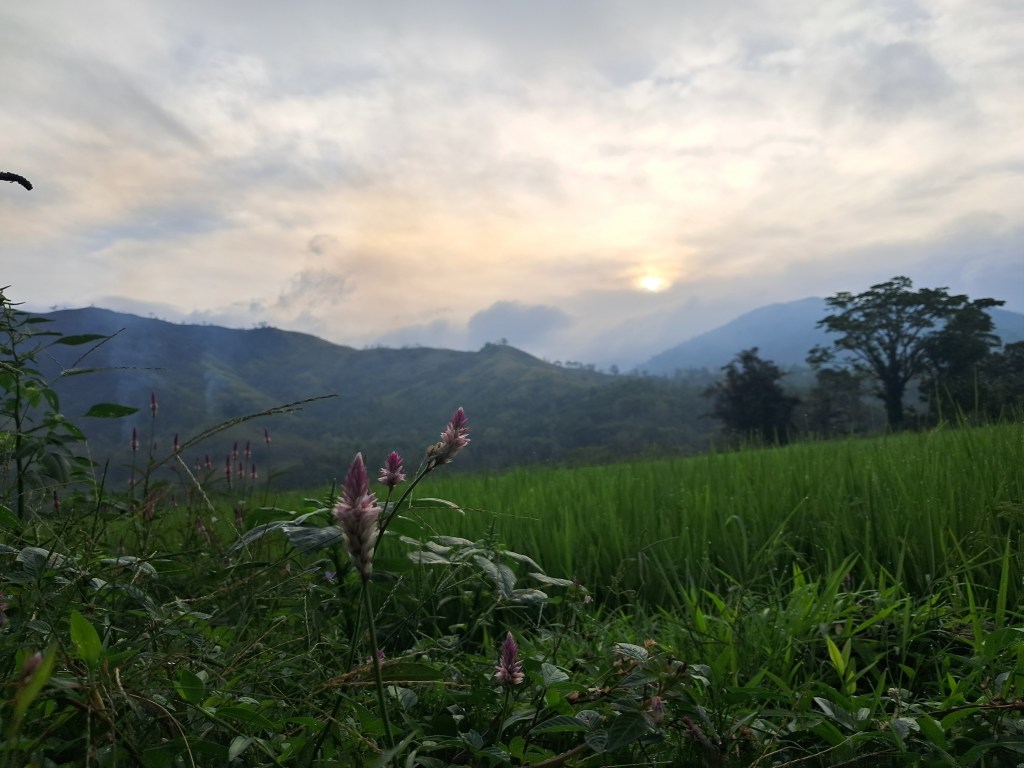
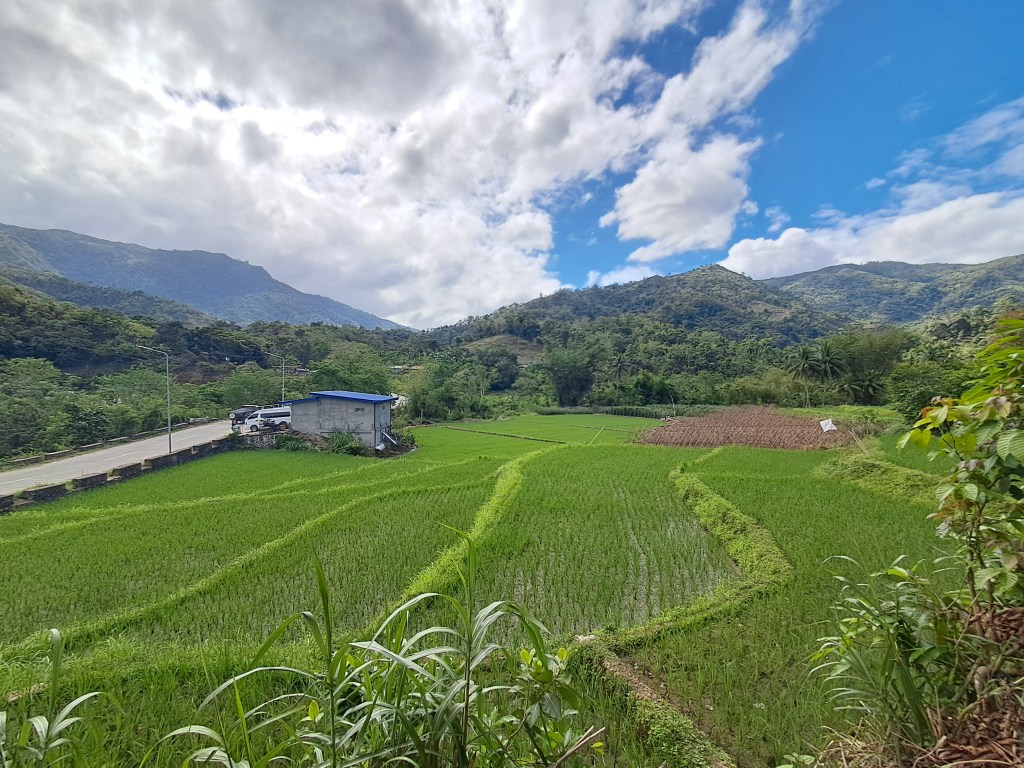
Nueva Vizcaya is among the many provinces in the Philippines that are rich in biodiversity and mineral reserves. It is the leading producer of ginger in the Philippines and consists of major river systems underscoring the province’s significance to regional water and agricultural security. Their population consists of a mixture of various Indigenous groups residing across ancestral domains that overlap forestlands and upland areas.
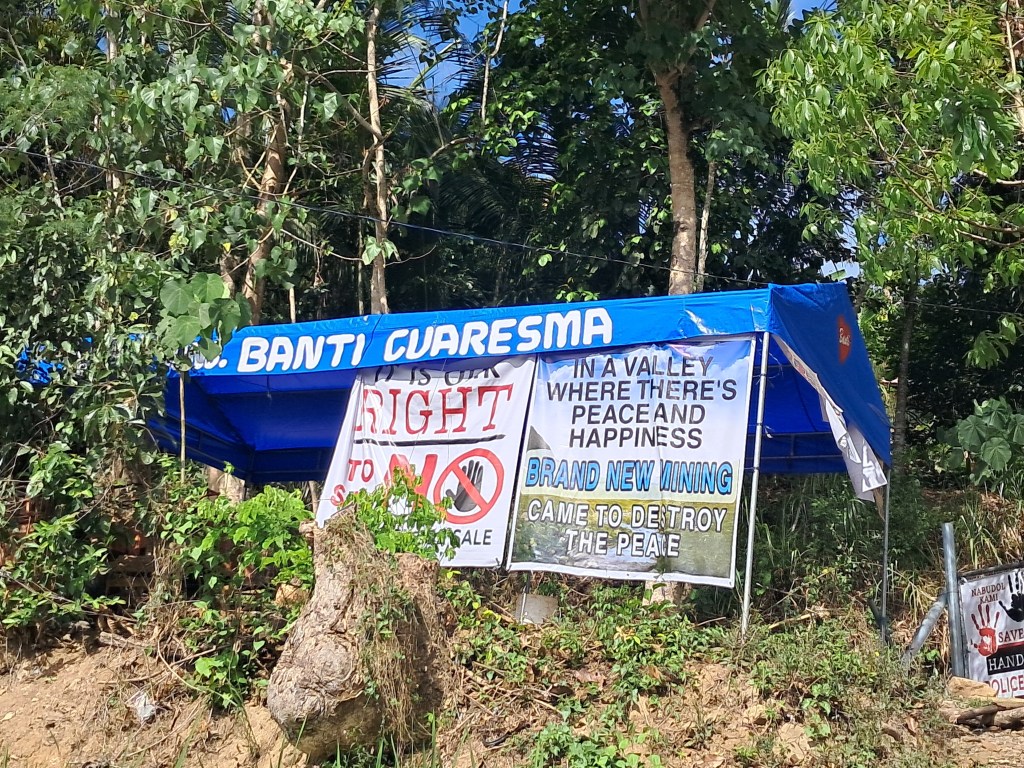
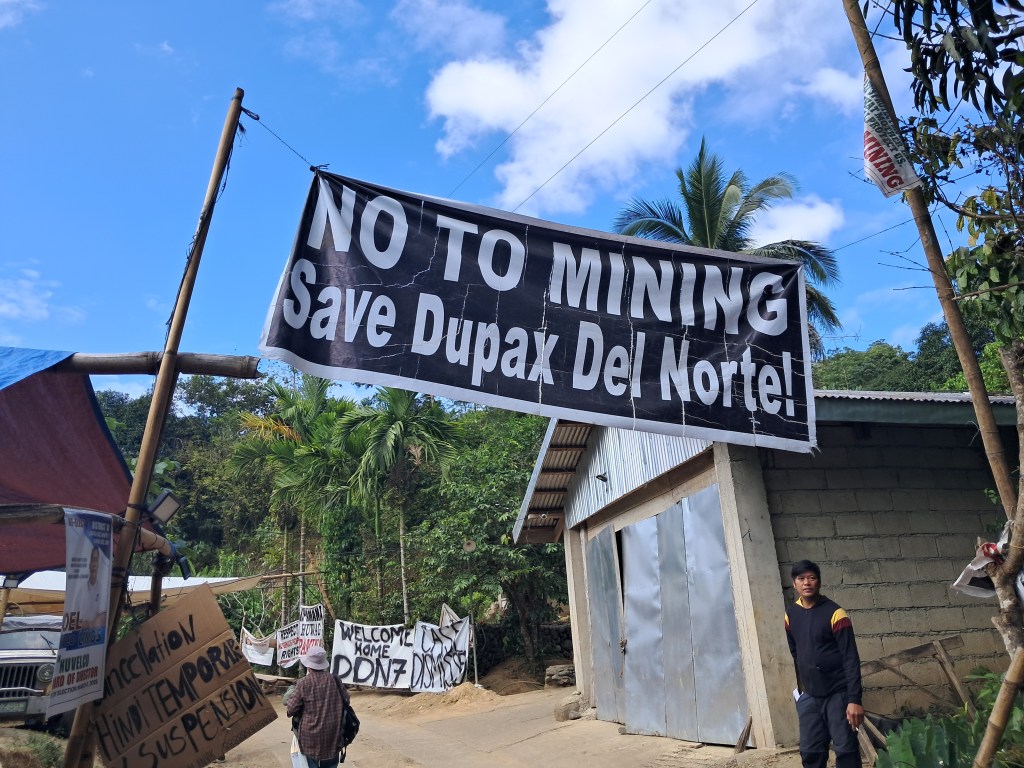
Despite this, it has historically become a hotspot for large-scale extractive projects aggressively pursued by mining corporations and enabled by corrupt government officials resulting in the widespread landlessness and destruction of ancestral domains all over the province. However, the people of Nueva Vizcaya remain steadfast and united in ranks. In Dupax Del Norte, the collective resistance of the people prevailed over the plunderous Woggle Corporation temporarily barring their mining operations while the land dispute underwent court proceedings in the Senate.
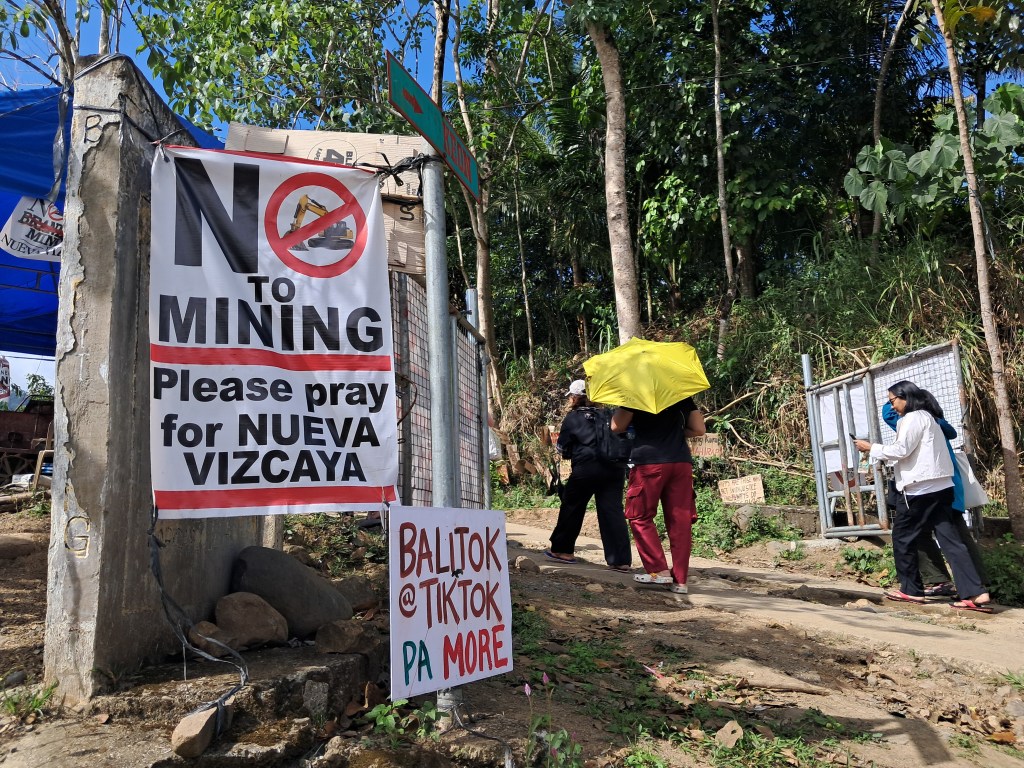
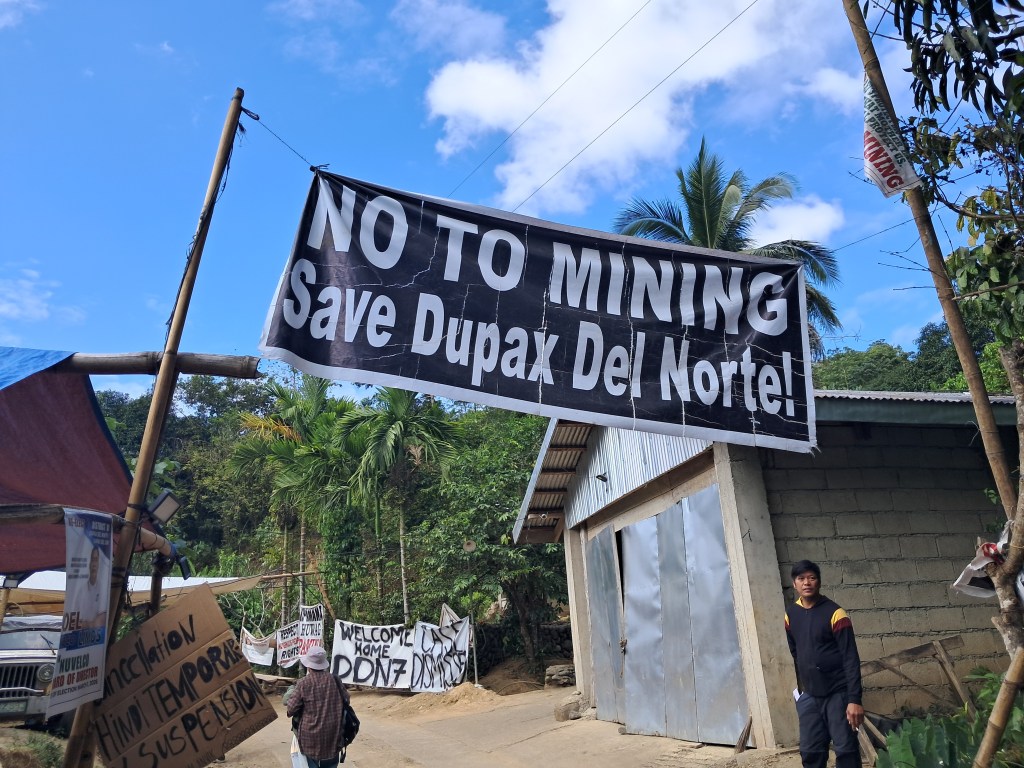
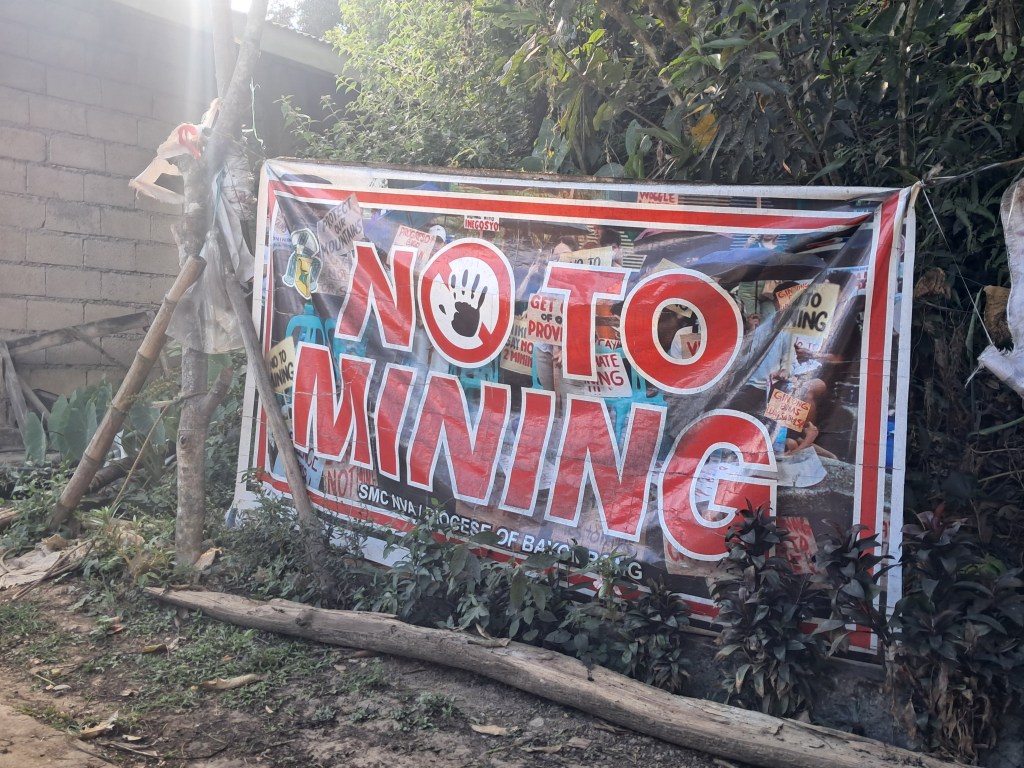
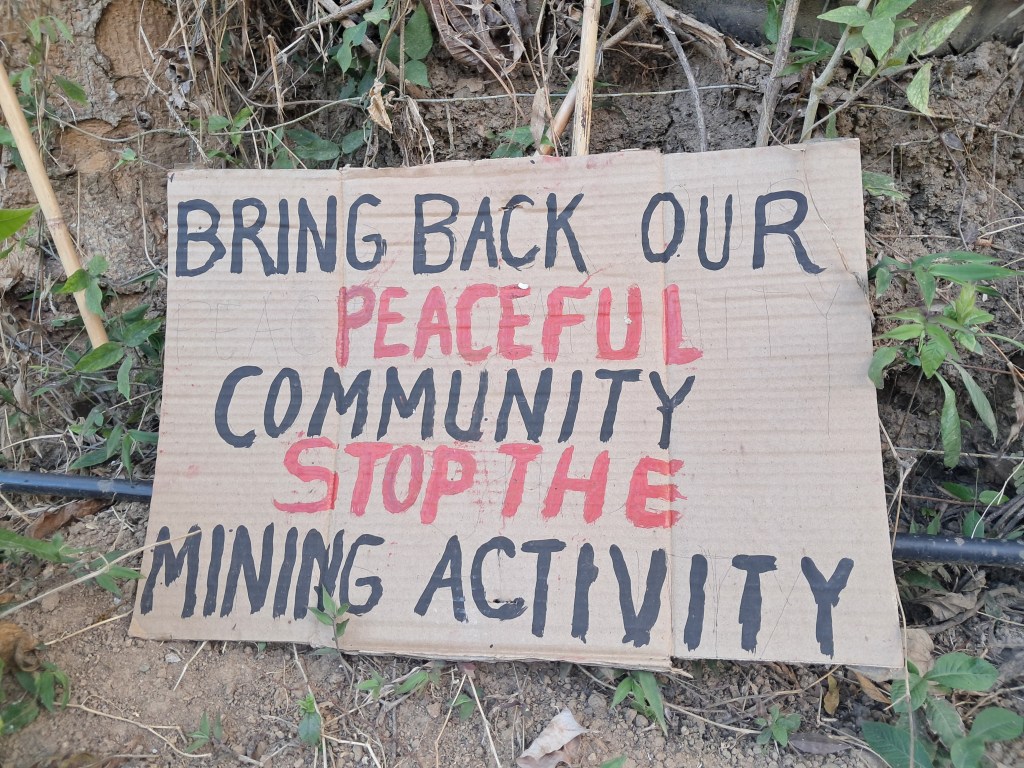
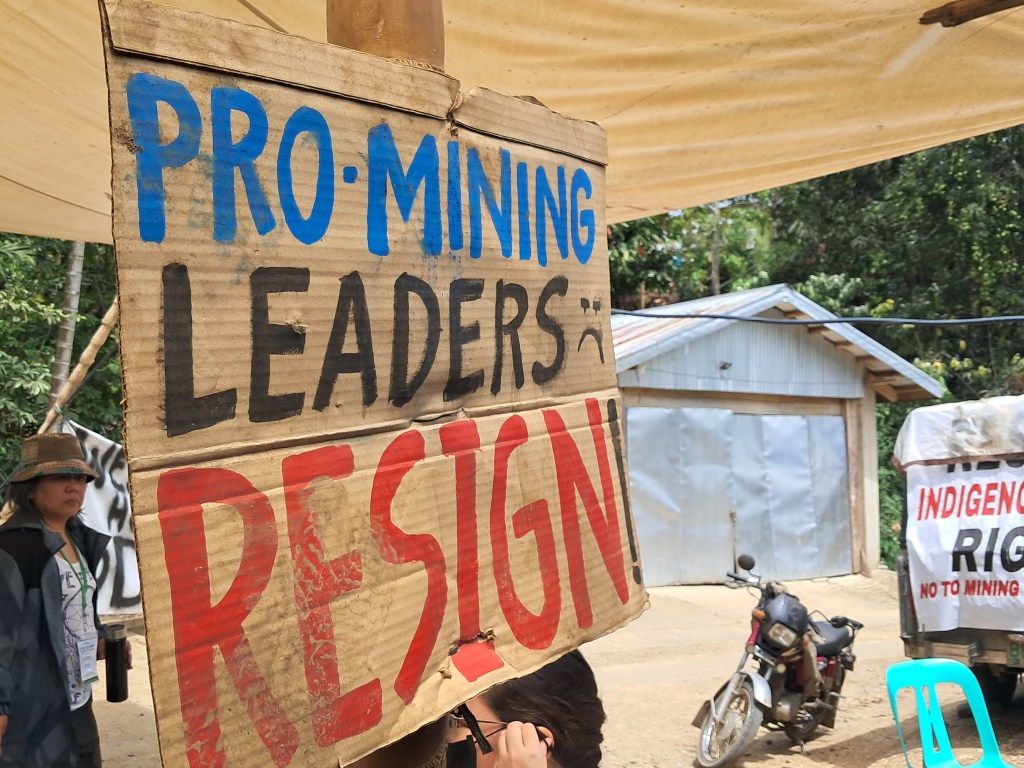
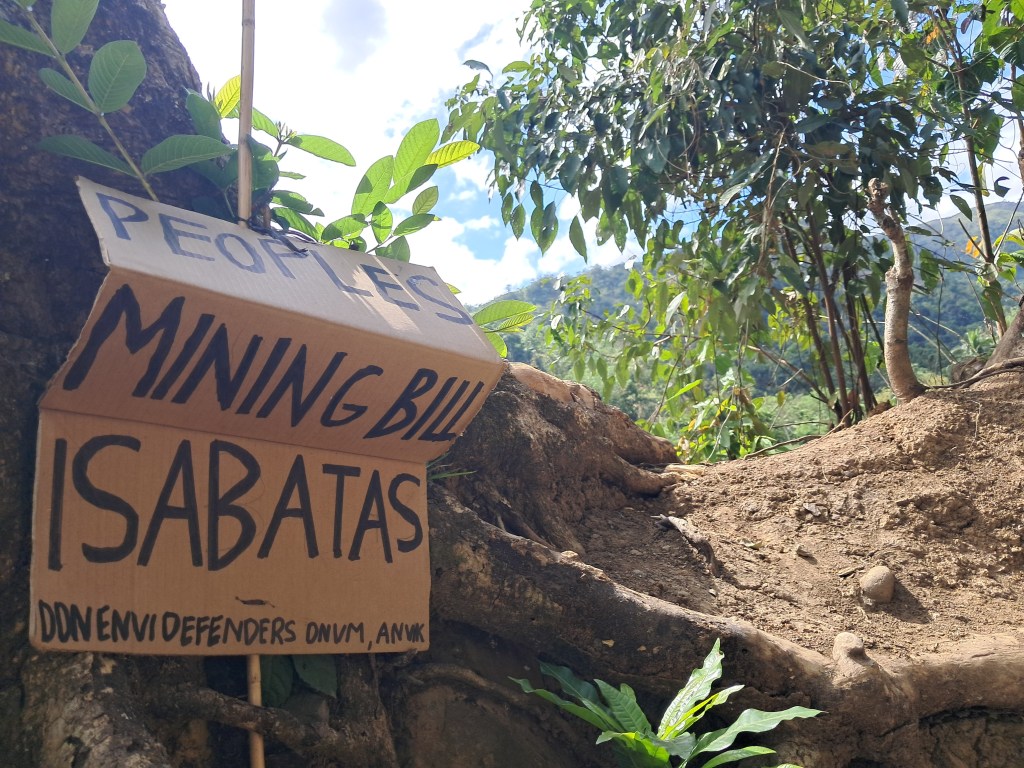
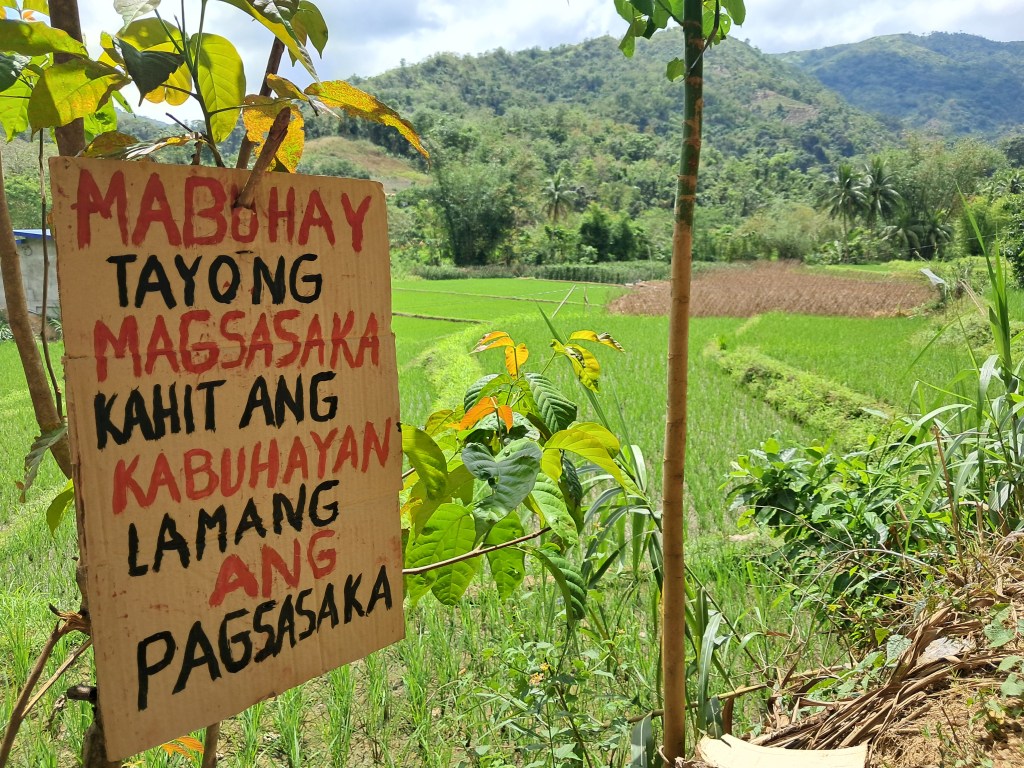
The fight to defend ancestral domains, land reforms, and social justice will remain as long as systemic environmental plunder, corporate greed, and state corruption persists. If the destruction and degradation of our agricultural lands, forests, and rivers continue, the Filipino people will inevitably face the consequences of ecological crises reinforced by large-scale mining operations as proven by the current situation at Kasibu, Nueva Vizcaya. It is only right, across sectors, that our struggles intersect at one point– Imperialism, Bureaucrat-Capitalism, and Feudalism. Therefore, it is imperative that the collective resistance strengthen our solidarity across communities, institutions, and sectors under the national democratic banner and genuinely effect social change.
Klinikang Bayan: Health Education and Services as tools of Resistance
Healing is self-preservation, and self-preservation is an act of political warfare. Albeit in body or mind, a collective resistance cannot be sustained without a healthy community. The inadequate and oftentimes complete loss of medical and psychosocial services and access in rural outskirts of the Philippines like Dupax Del Norte, signifies the need for the health sector to bridge this gap not only through services, but also through education health drives aligned with the struggle for social change, thus, the formation of CHD’s own “Klinikang Bayan.”
Since the establishment of the first people’s barricade at Brgy. Bitnong, Dupax Del Norte, to bar the entry of Woggle Corporation’s vehicles and equipment, there have been countless reported cases of human rights violations perpetrated by the PNP Nueva Vizcaya and Woggle’s own personnel and hired armed private goons. On January 23, 2026, more than 300 armed police forces together with Woggle’s demolition team, forcibly destroyed and dispersed the people’s barricades which led to numerous counts of physical assault and injuries, while six indigenous women and one anti-mining leader were illegally arrested under trumped-up charges of resistance and disobedience.
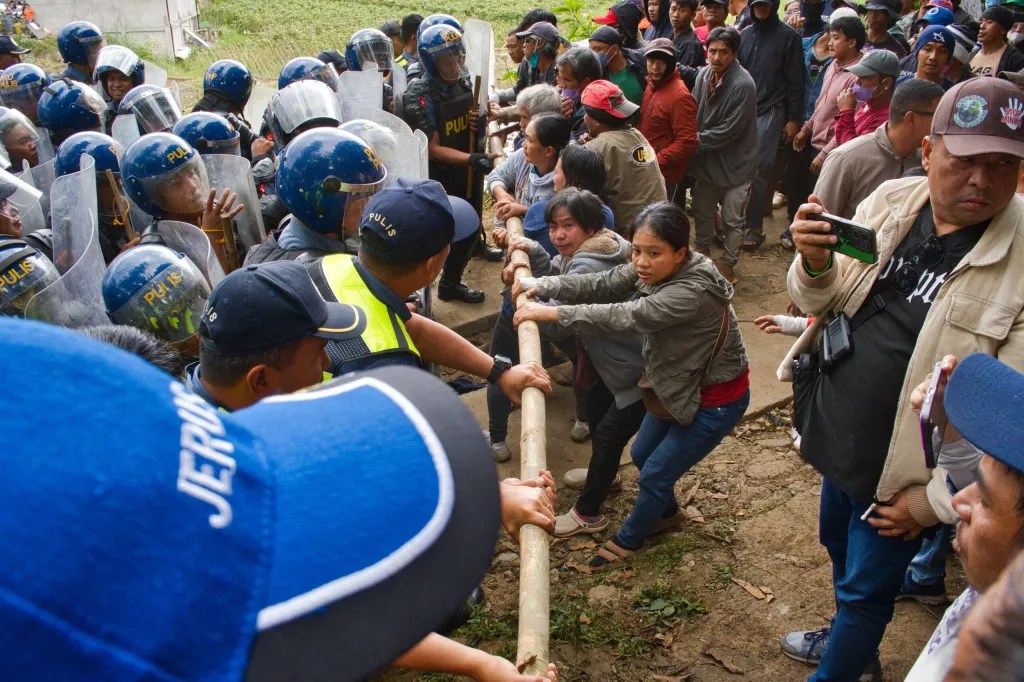
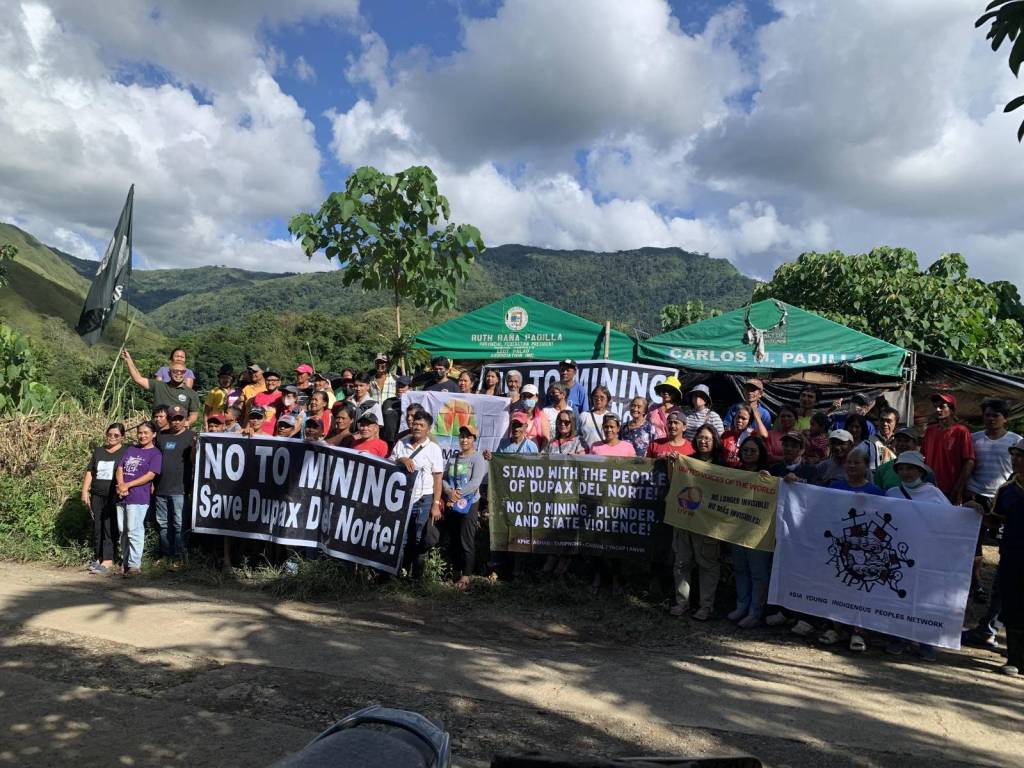
The overlap of abuse in human rights and lack of medical and psychosocial services at Dupax Del Norte places the entire community at an alarmingly vulnerable state.
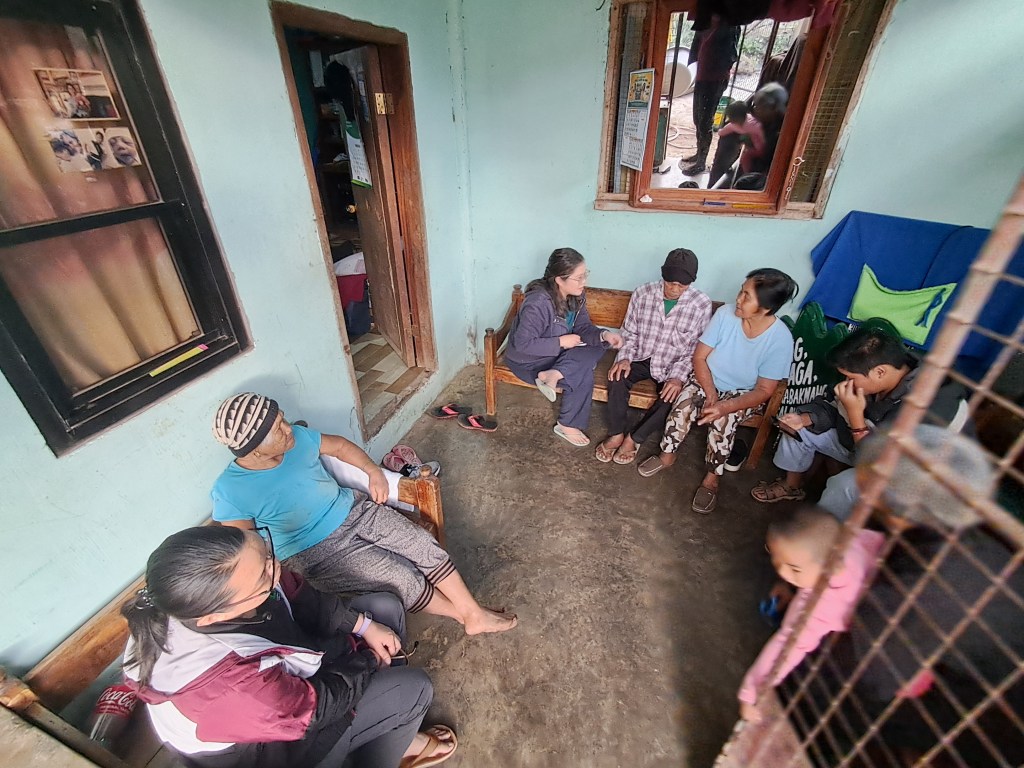
Among the 21 patients that inquired for psychosocial services, everyone shared a common feeling of stress and anxiety over the developments of mining in their community. Some frontliners of the incursion on January 23, were flagged with possible symptoms of PTSD after taking most of the heat in the violent dispersal of police mob and Woggle employees. Meanwhile, the majority of them shared a common sentiment being neglected and thrown under the bus by the local government agencies that should have the responsibility of safeguarding the political and civil rights of their constituents, but instead have completely shed all political integrity and values by misusing their judicial powers to accommodate the entry of destructive mining corporations.
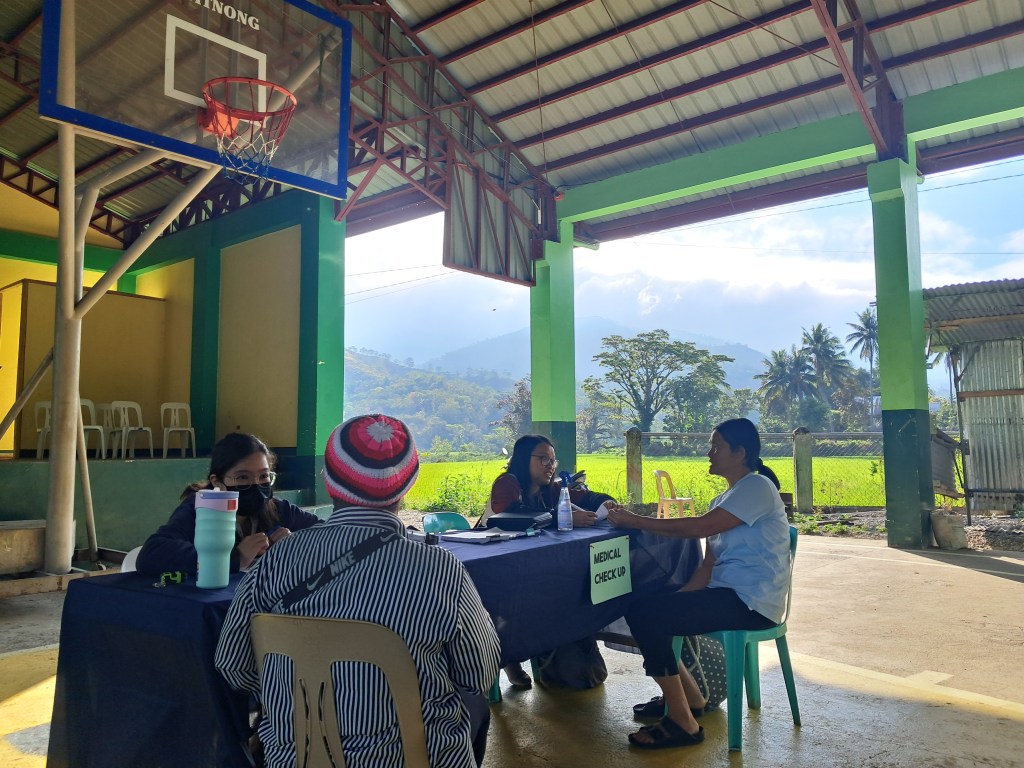
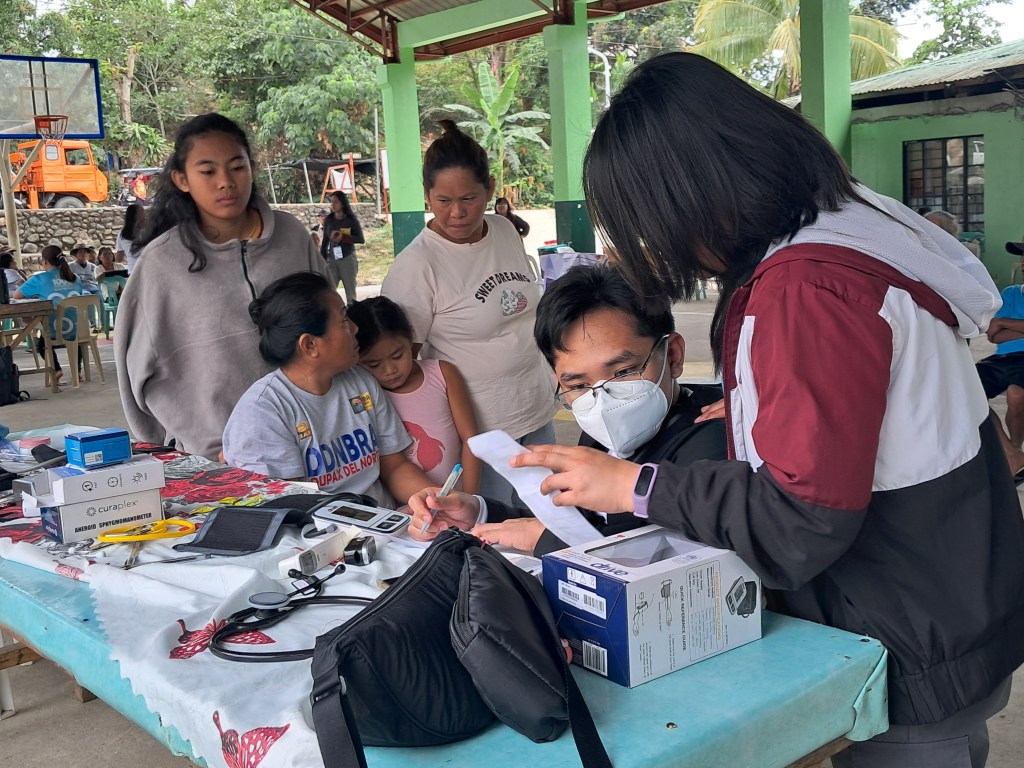
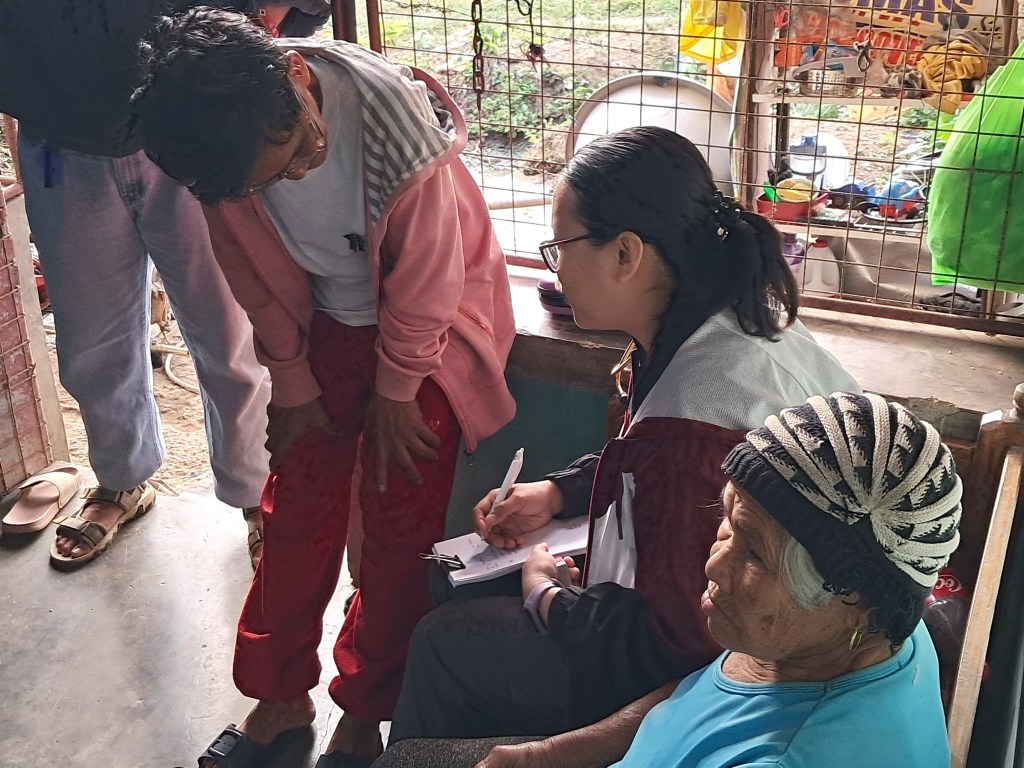
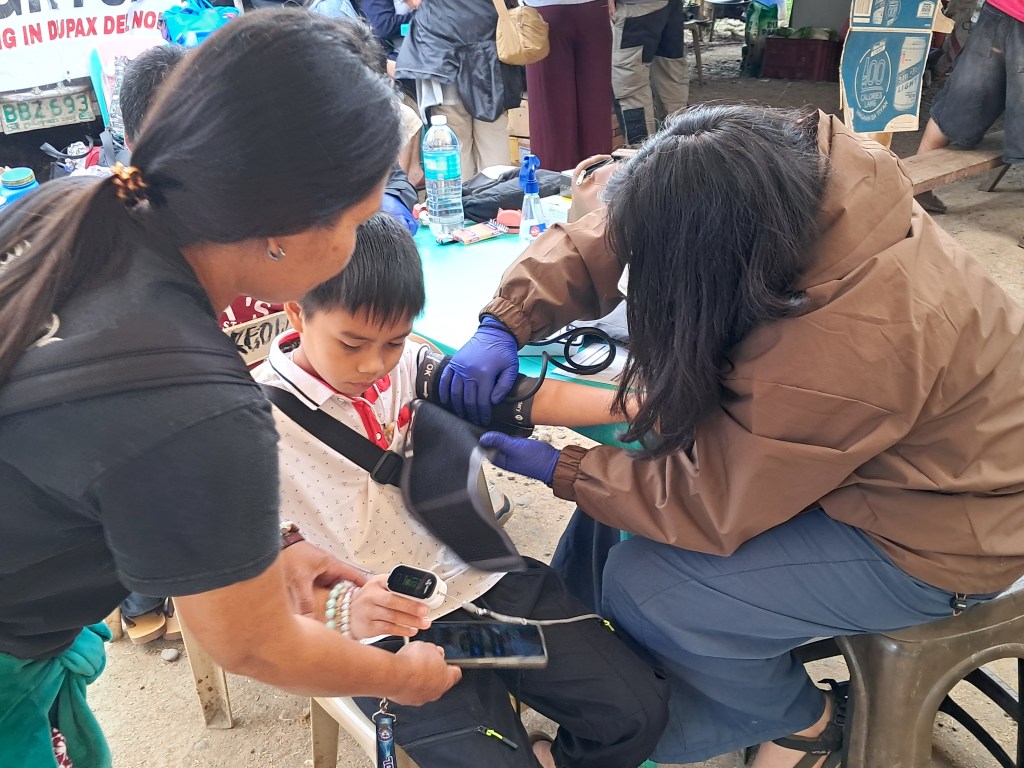
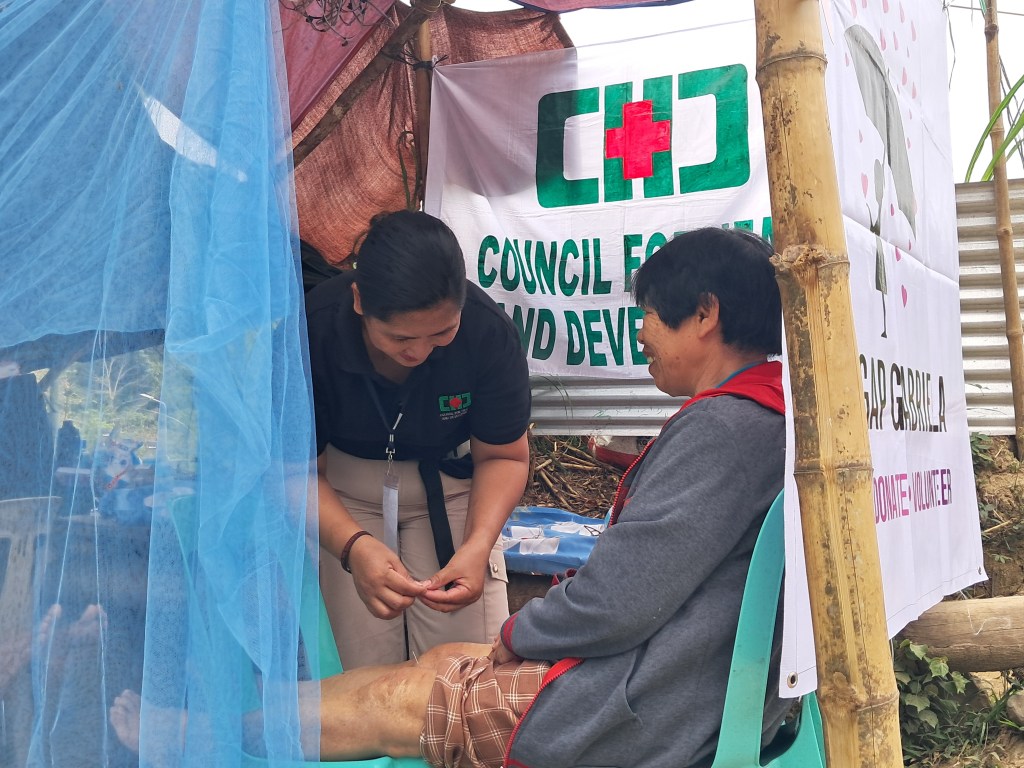
Meanwhile, among the 82 patients of medical consultations, hypertension has the highest incidence report possibly due to the common diet and food sustenance in the community, while some with notable cases of Arthritis and Tendinitis. Fortunately, the CHD were able to provide pharmaceutical and acupuncture needs among the patients. However, the current health situation in Dupax del Norte is also a manifestation of the criminal negligence of local government agencies to provide social services for their constituents. Locals have registered complaints on the lack of services from the Rural Health Unit despite being tax-payers.
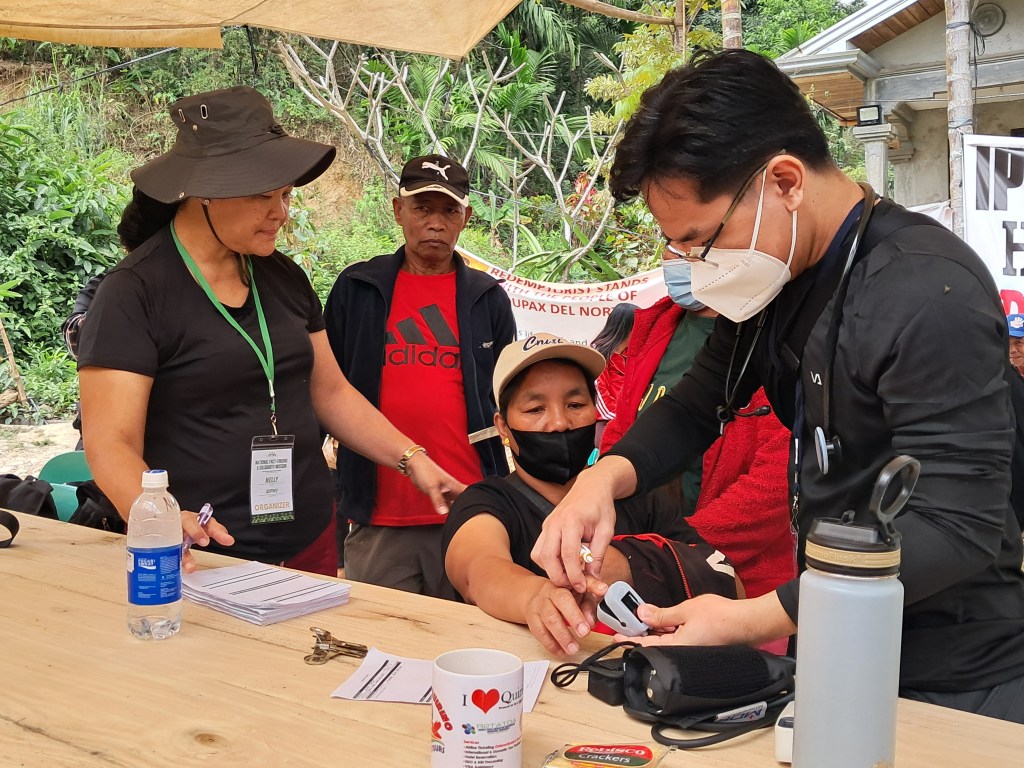
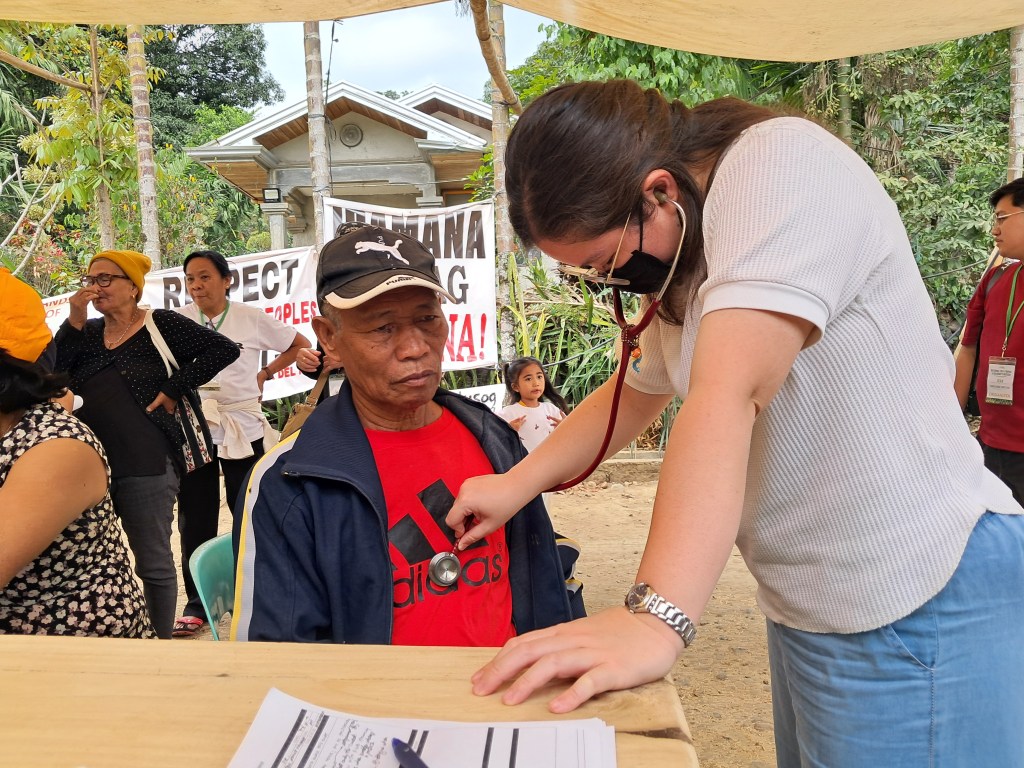
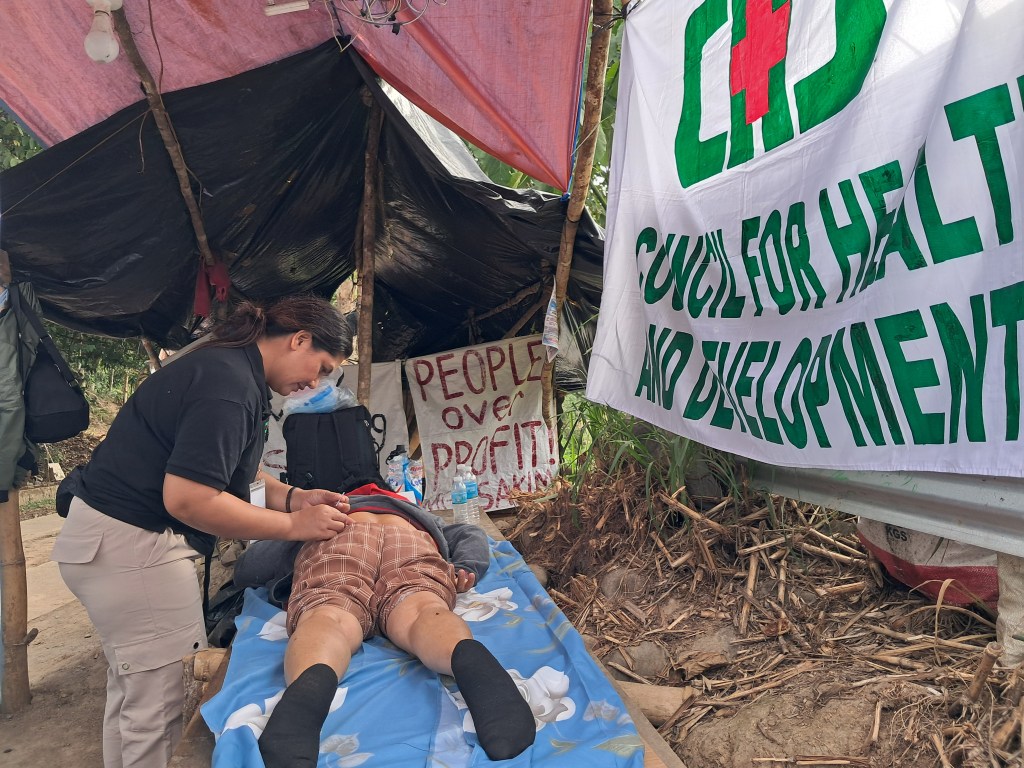
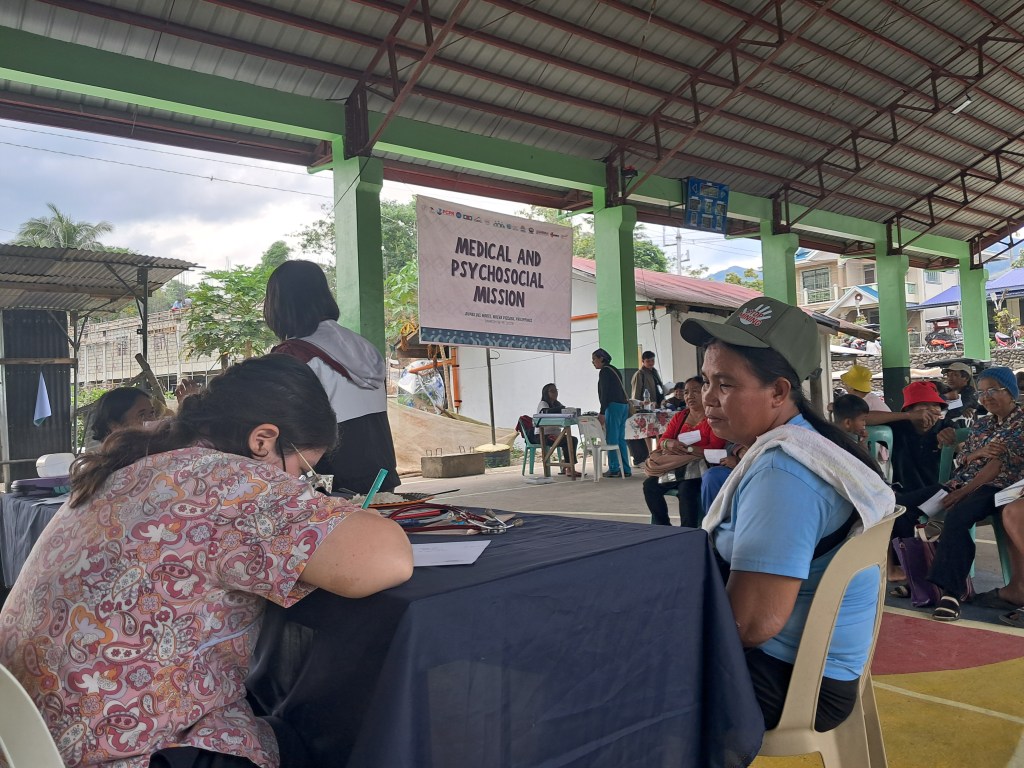
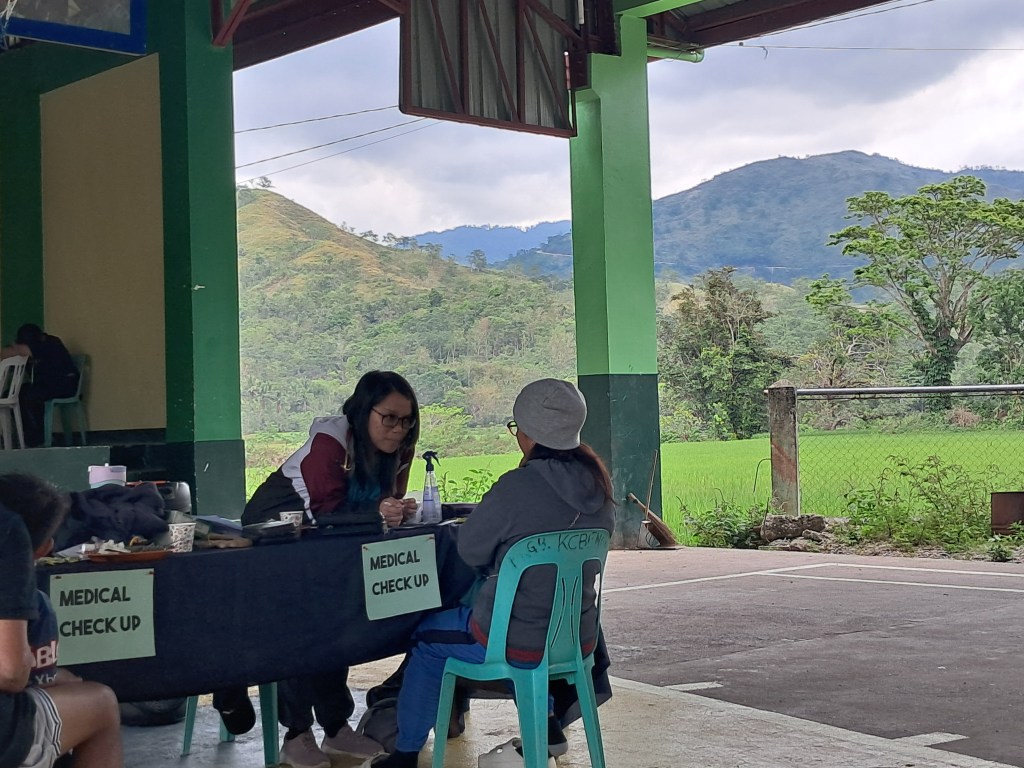
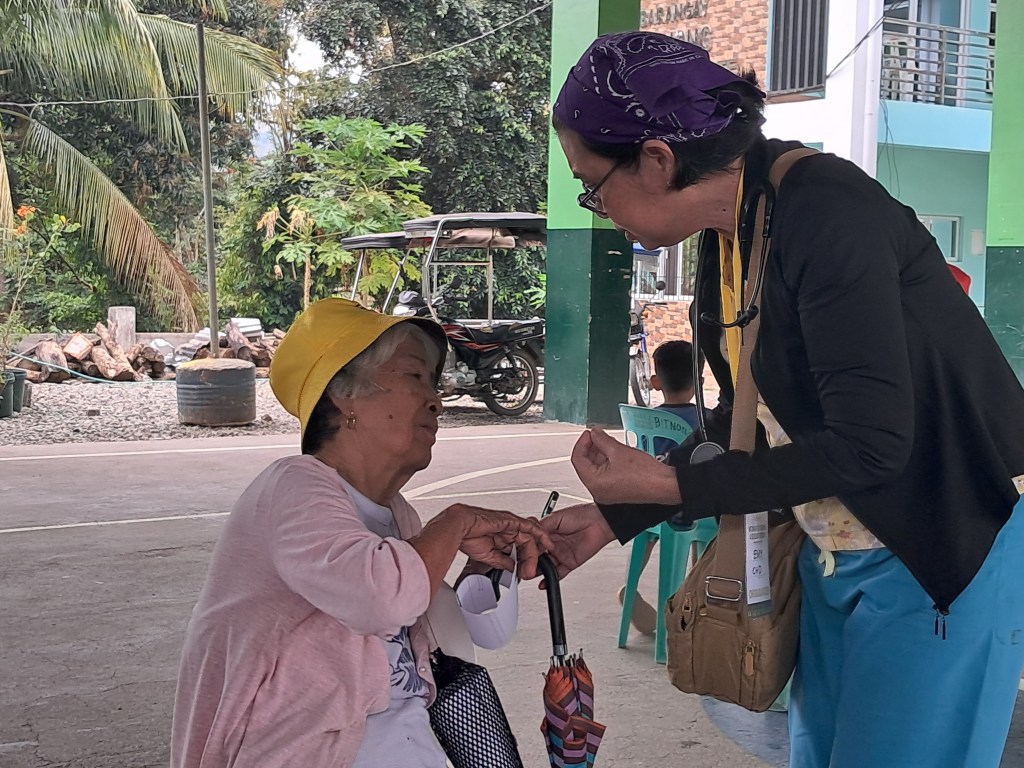
On the other hand, the CHD and PNSA led the education discussion on health awareness on common illnesses, while nurses from the PNSA also conducted a crash course in health training on the proper usage of Blood Pressure Apparatus to teach the locals how to independently measure and monitor the community’s BP given the prominent cases of hypertension especially among the elderly. Beyond this, with support from various health organizations, medical supplies and equipment including a BP were also donated to the community.
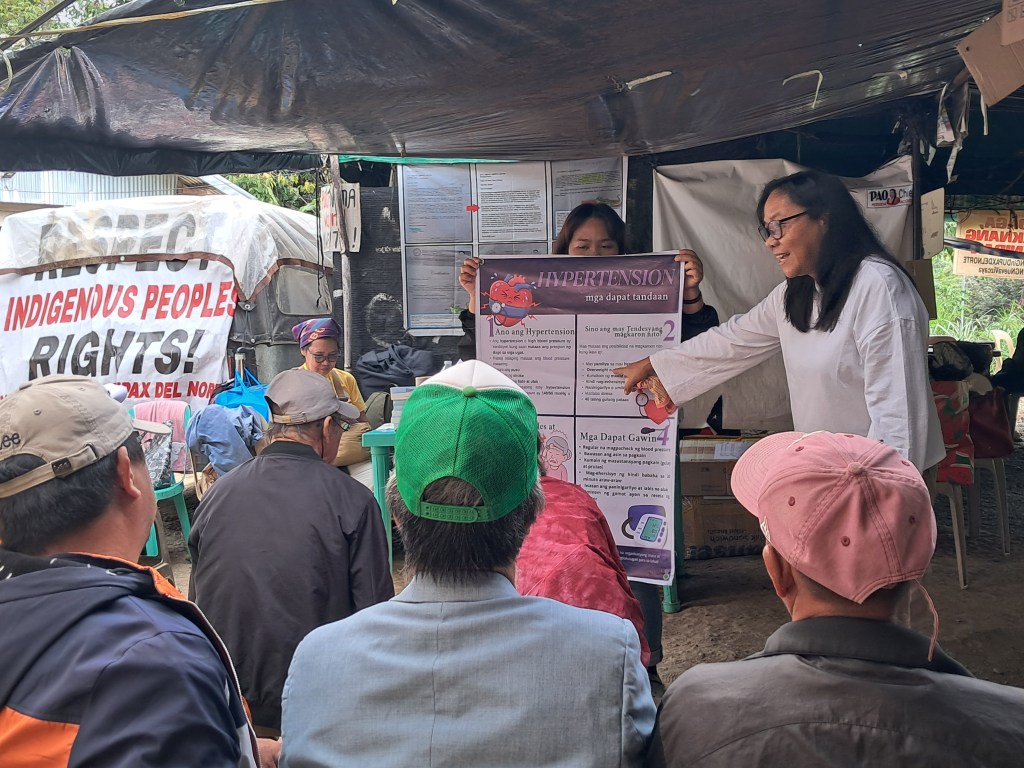
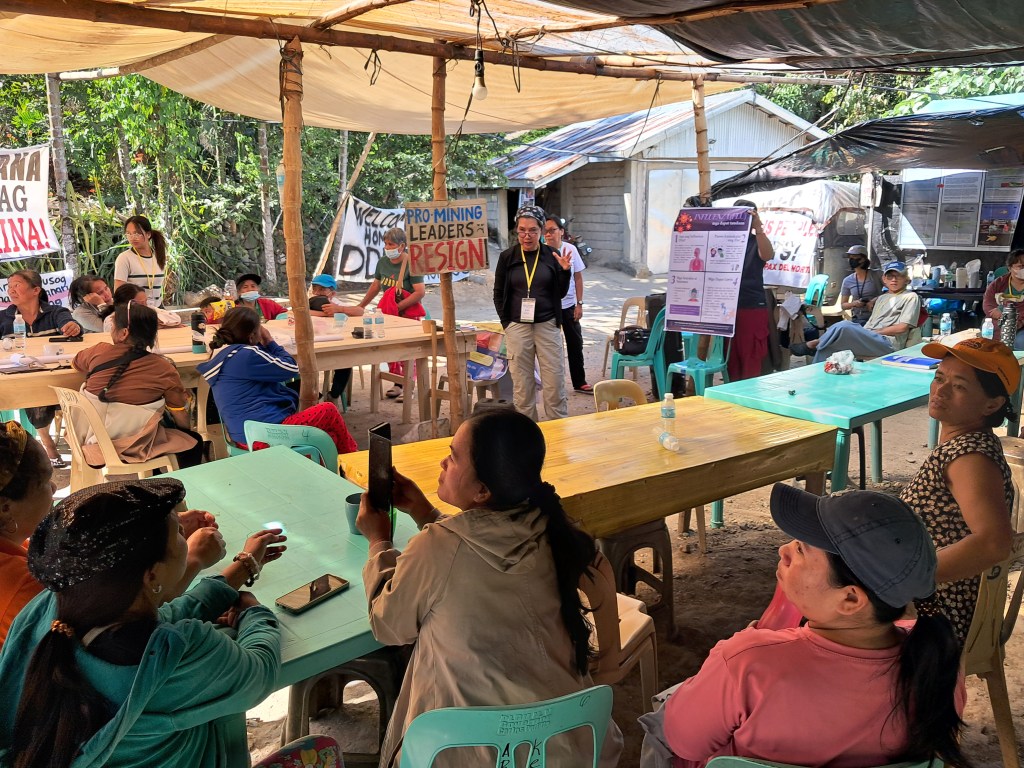
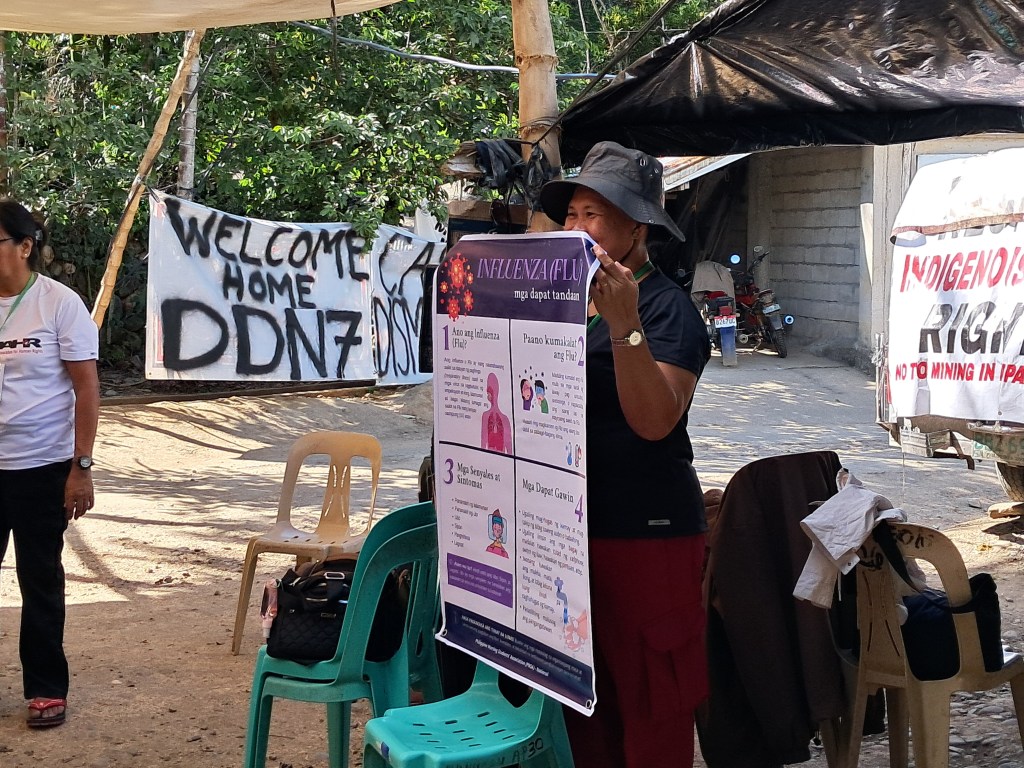
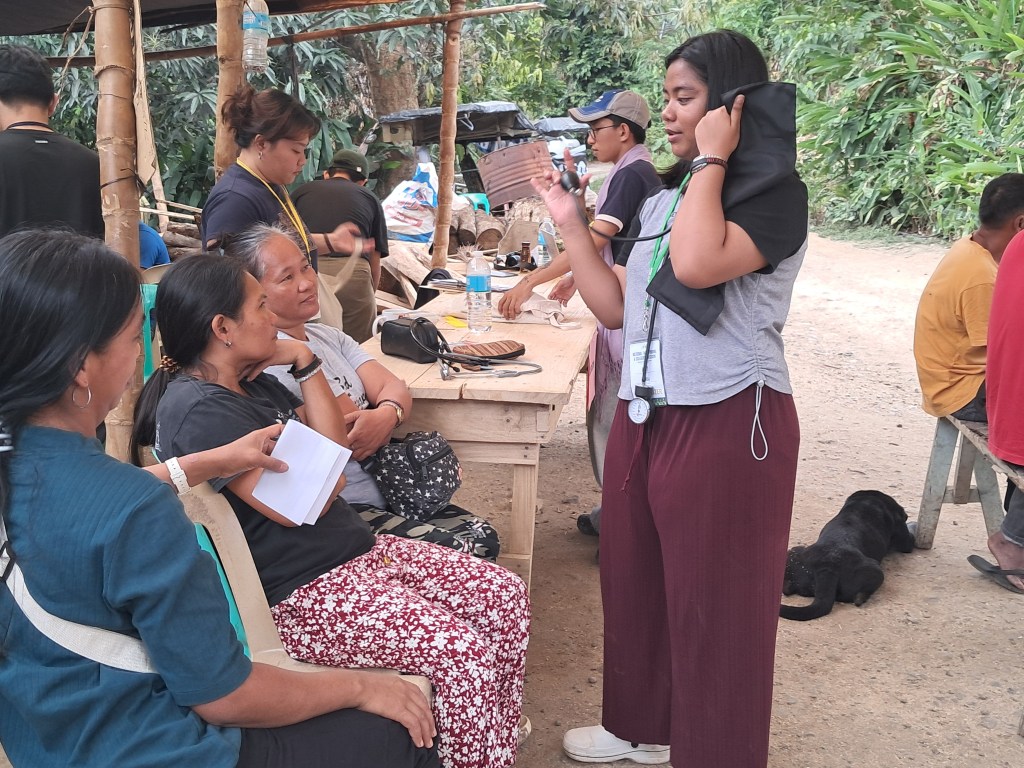
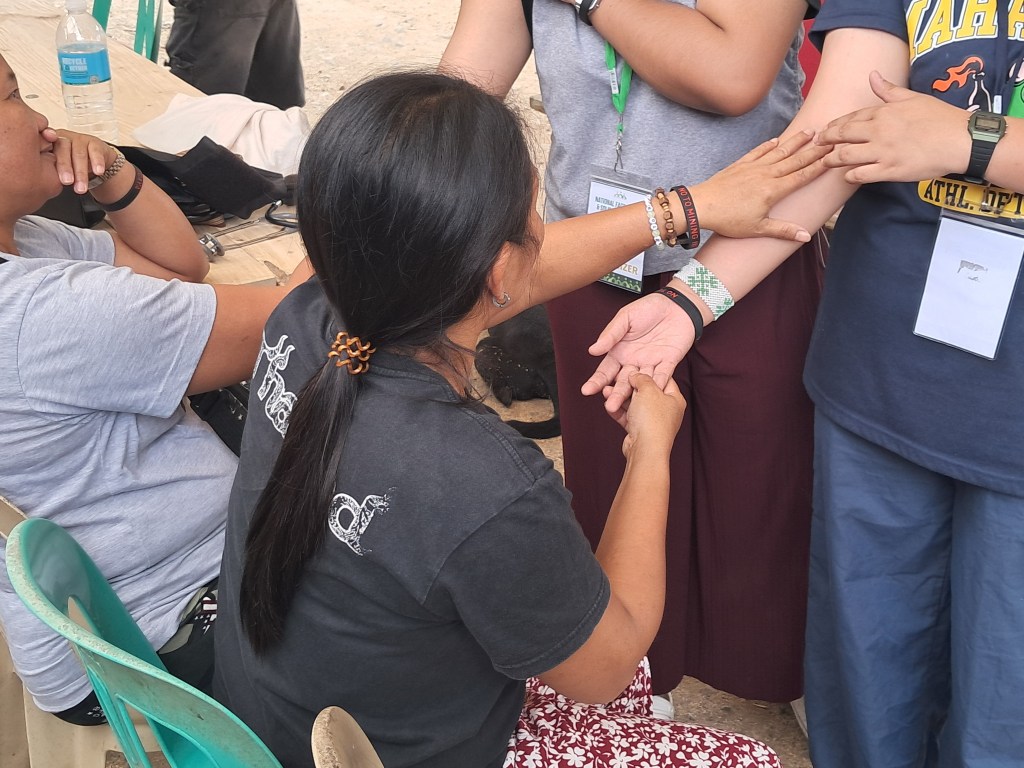
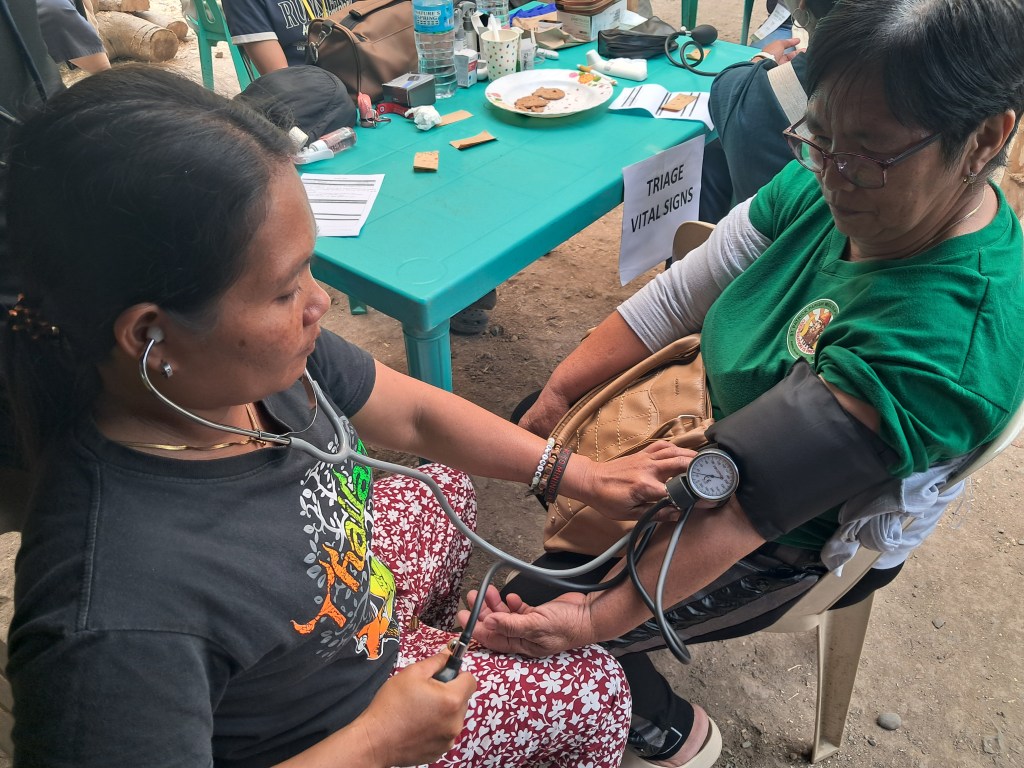
In summary, the three-days medical mission served more than 120 patients of several sitios and barangays of Dupax del Norte, Nueva Vizcaya. The mission provided medical, psychosocial, health education and training, and acupuncture services.
Learning from the Masses
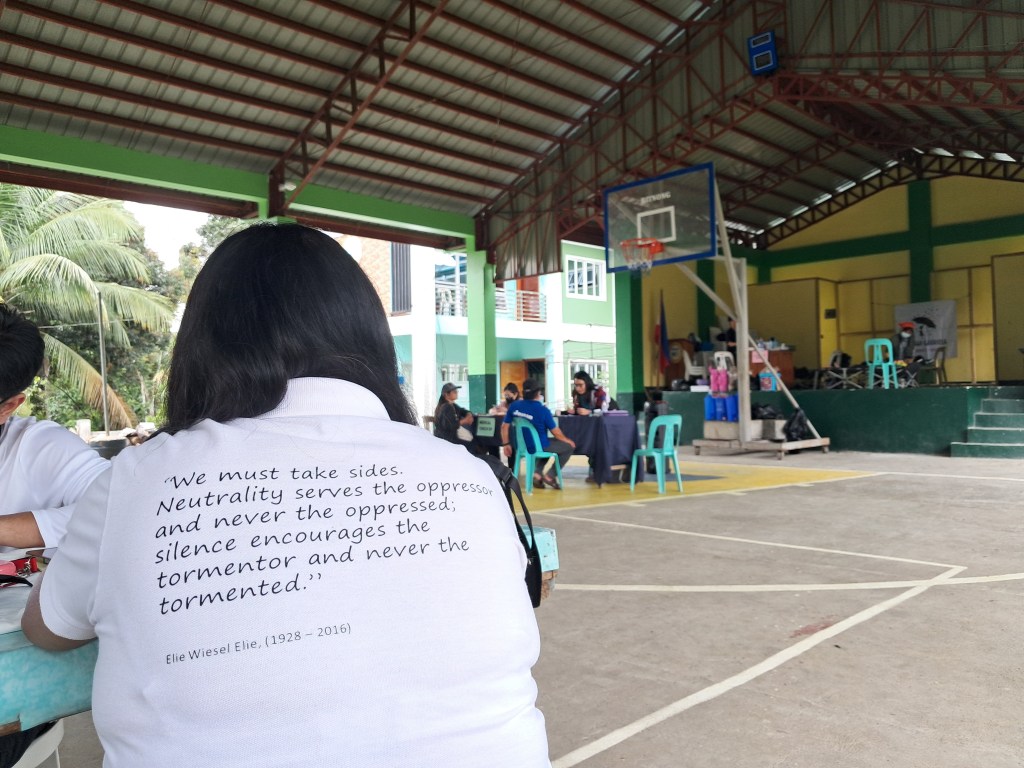
As psychology student interns under the Council for Health and Development, our immersion in Dupax Del Norte went beyond the provision of psychosocial services. It became an encounter with the lived realities of communities directly affected by large scale mining and state backed violence. During the psychosocial sessions, we were given the space to listen to the stories of residents who were present during the violent dispersal of the people’s barricade, as well as those who witnessed the events unfold.
There was a prevailing sense of grief, fear, and anxiety among them. Many recounted the traumatic experience of being forcibly removed while defending their land and livelihood from mining operations. Some expressed recurring distress, difficulty sleeping, and heightened alertness, which are indicators that point toward possible trauma related responses. Hearing these narratives firsthand was deeply unsettling. It revealed not only the psychological toll of such incidents, but also how structural violence translates into personal suffering.
However, alongside these accounts of distress, what stood out equally was the community’s resilience. Despite their experiences, the residents, many of whom are already senior citizens, continue to stand guard at the barricade. Their voices carried both pain and determination. They remain steadfast in their belief that their struggle is not only for their present survival but also for the protection of future generations. This sense of collective purpose serves as a powerful protective factor for their mental well-being.
The community’s warmth and openness were also evident. Even though it was our first time meeting them, they welcomed us with sincerity and trust. It became clear that beyond medical and psychosocial assistance, they valued being heard. The act of listening itself became therapeutic. They expressed a strong desire for their stories to reach wider audiences in hopes of gaining more support and solidarity.
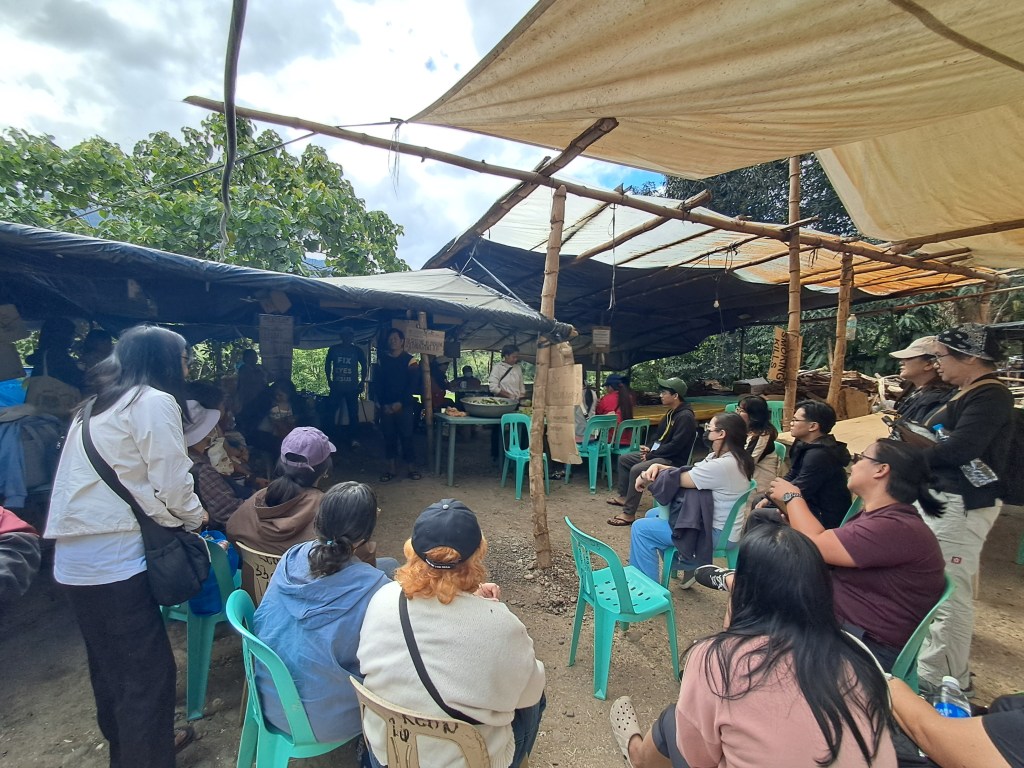
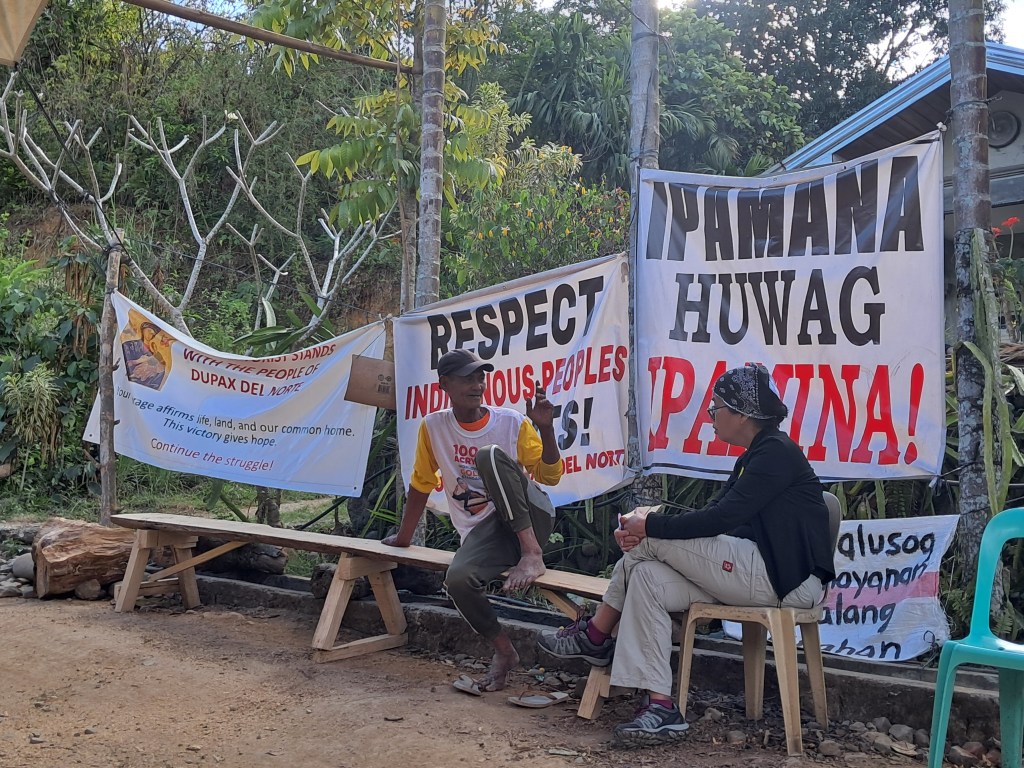
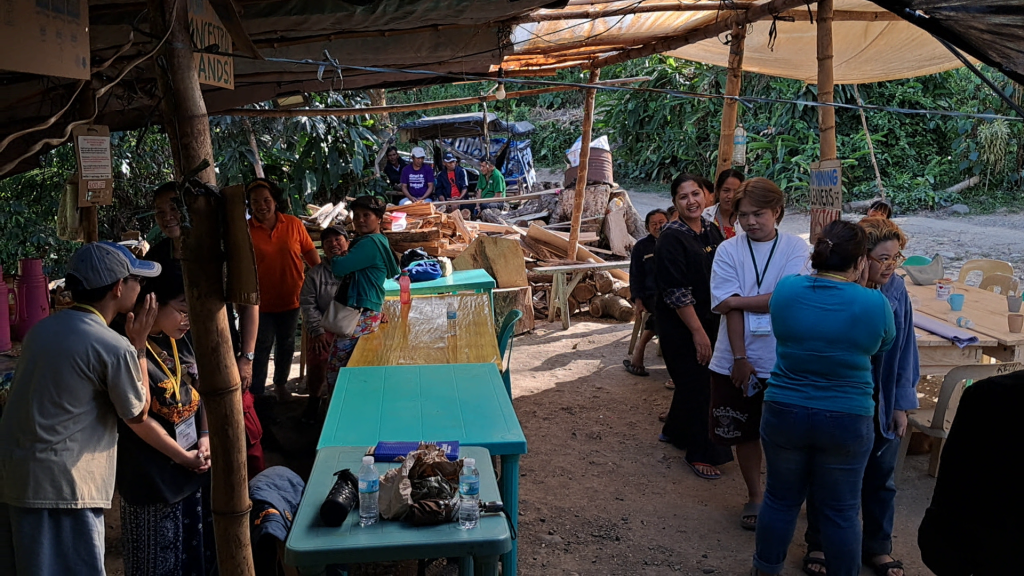
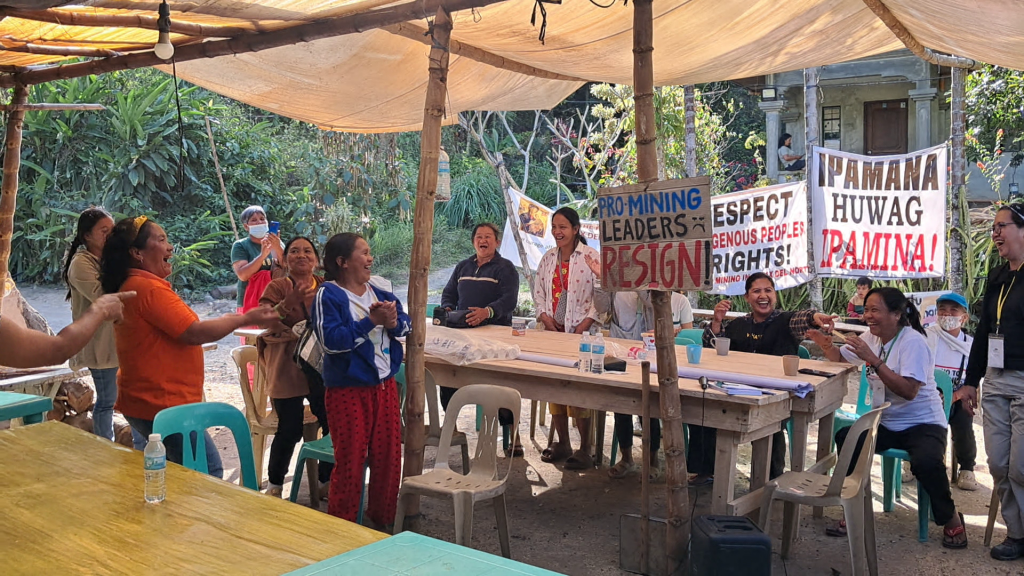
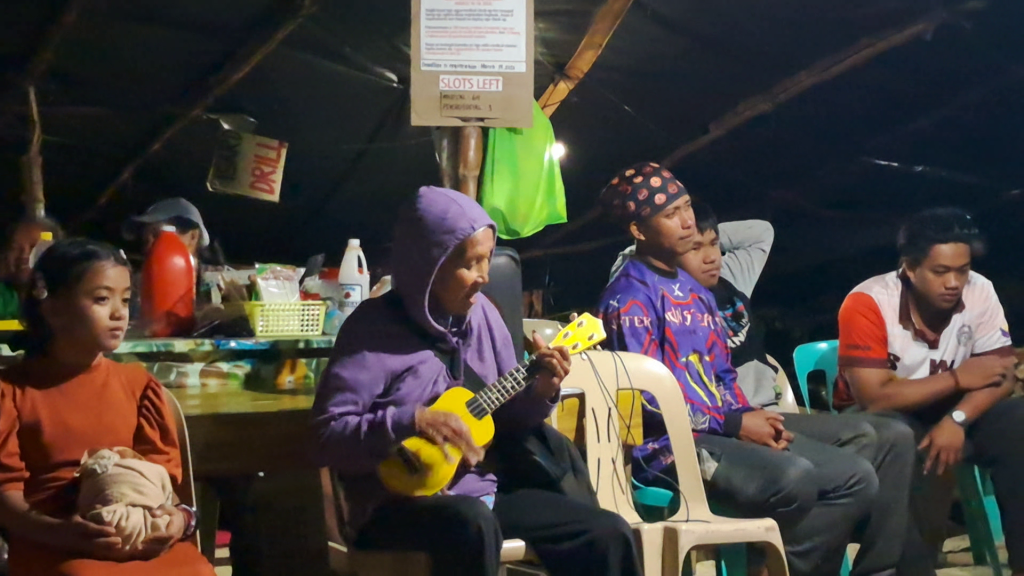
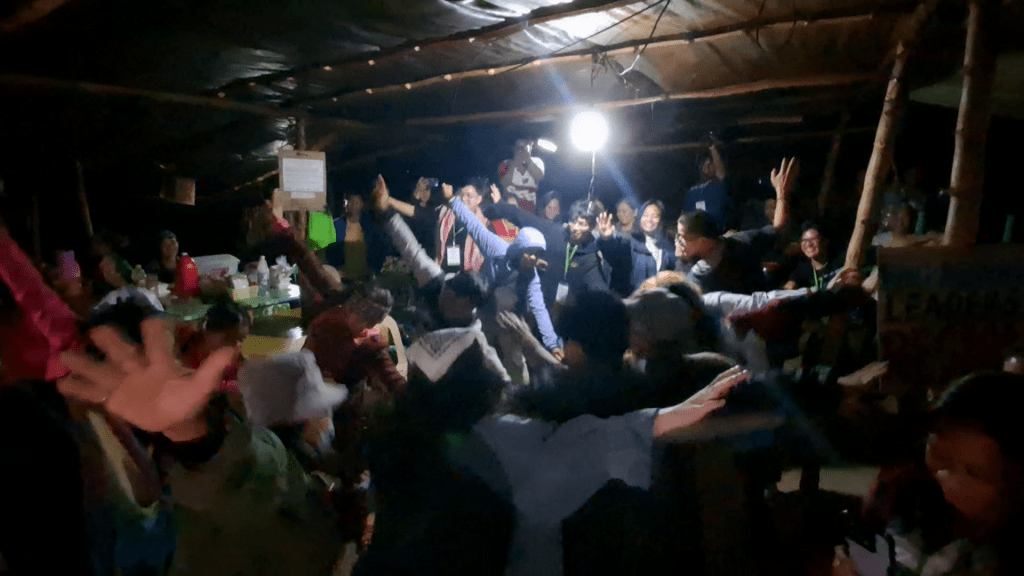
The medical and psychosocial mission, therefore, was not merely an intervention but a reinforcement of their ongoing struggle. It provided them with both physical relief and psychological affirmation. For many, it served as a reminder that they are not alone, that there are sectors willing to stand with them. This, in turn, seemed to renew their strength to continue defending their right to health and land.
The People’s Fight for Land and Life
The situation in Dupax Del Norte underscores a critical reality. Health is deeply intertwined with social, political, and environmental conditions. The worsening health outcomes observed in the community, ranging from hypertension and musculoskeletal conditions to psychological distress, are not isolated incidents. They are consequences of systemic neglect, environmental degradation, and the aggressive expansion of extractive industries.
Large scale mining operations not only threaten ecological balance but also directly undermine the social determinants of health. The destruction of land and water sources disrupts food security, livelihoods, and community stability. Moreover, the presence of militarization and violence that often accompany these projects creates conditions of chronic stress, trauma, and insecurity among residents. In this context, the right to health cannot be fully realized without addressing the root causes of these issues.
At the same time, the inadequate delivery of basic health services in rural communities reflects the broader failures of the public health system. The lack of accessible, affordable, and responsive healthcare forces communities to rely on external initiatives such as medical missions to fill the gaps. While these efforts are essential, they are not substitutes for a genuinely functional and people centered health system.
Thus, the struggle of Dupax Del Norte is not an isolated case. It reflects a national issue that calls for collective action. To defend the right to health is to also defend the right to land, livelihood, and self determination. It requires confronting systems that prioritize profit over people, and development models that disregard environmental sustainability and human rights.
As health workers and future professionals, there is a responsibility to go beyond clinical practice and engage with the broader context of our patients’ lives. Strengthening the health system entails advocating for policies that ensure equitable access to services, supporting community based health initiatives, and standing in solidarity with marginalized sectors. The call is clear. We must support the communities of Dupax Del Norte in their fight against destructive mining operations and demand accountability from institutions that fail to protect their rights. In doing so, we contribute to the larger movement for a just, humane, and people oriented health system, one that recognizes that true healing cannot exist without justice.#
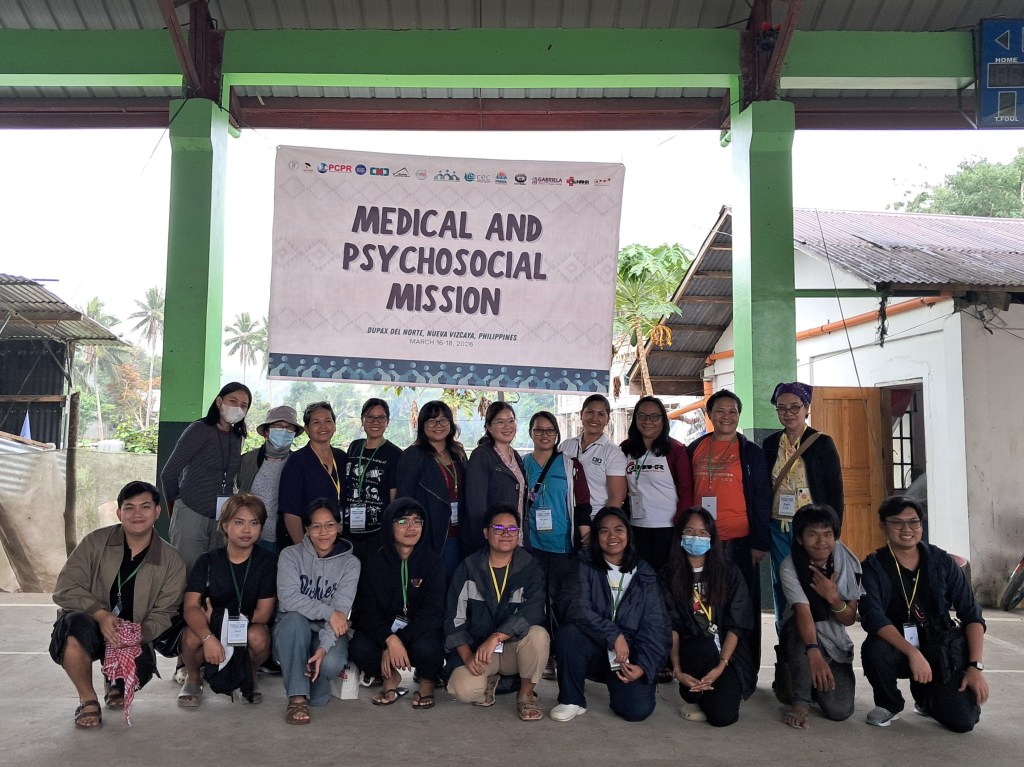
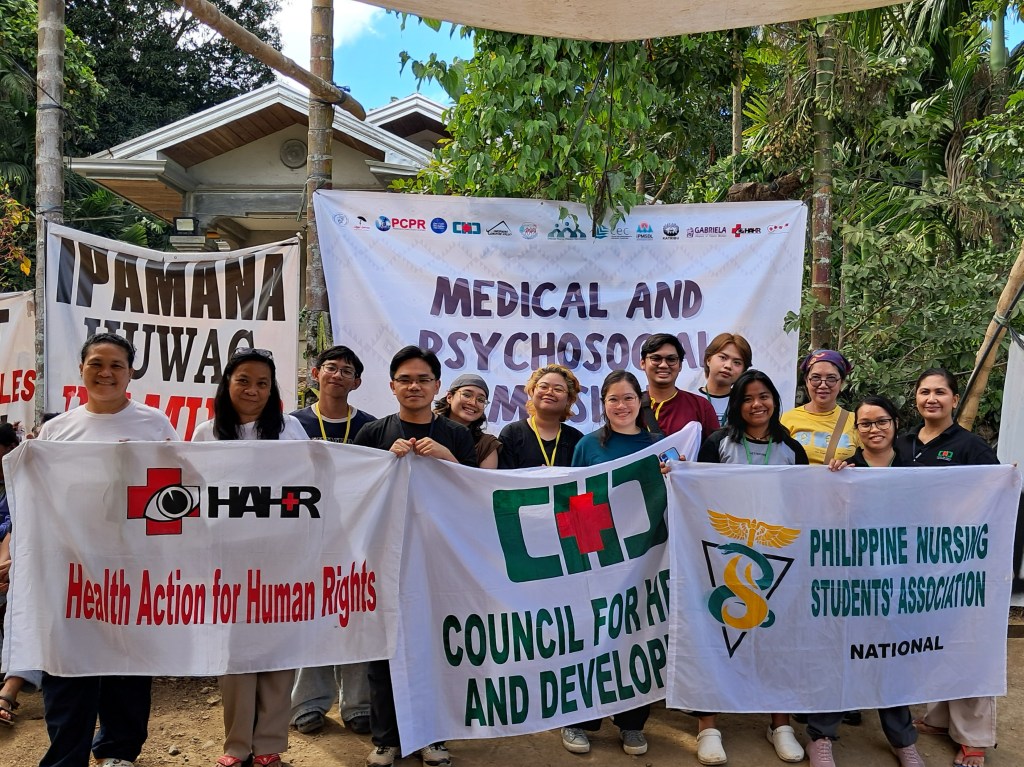
Photo Gallery: