
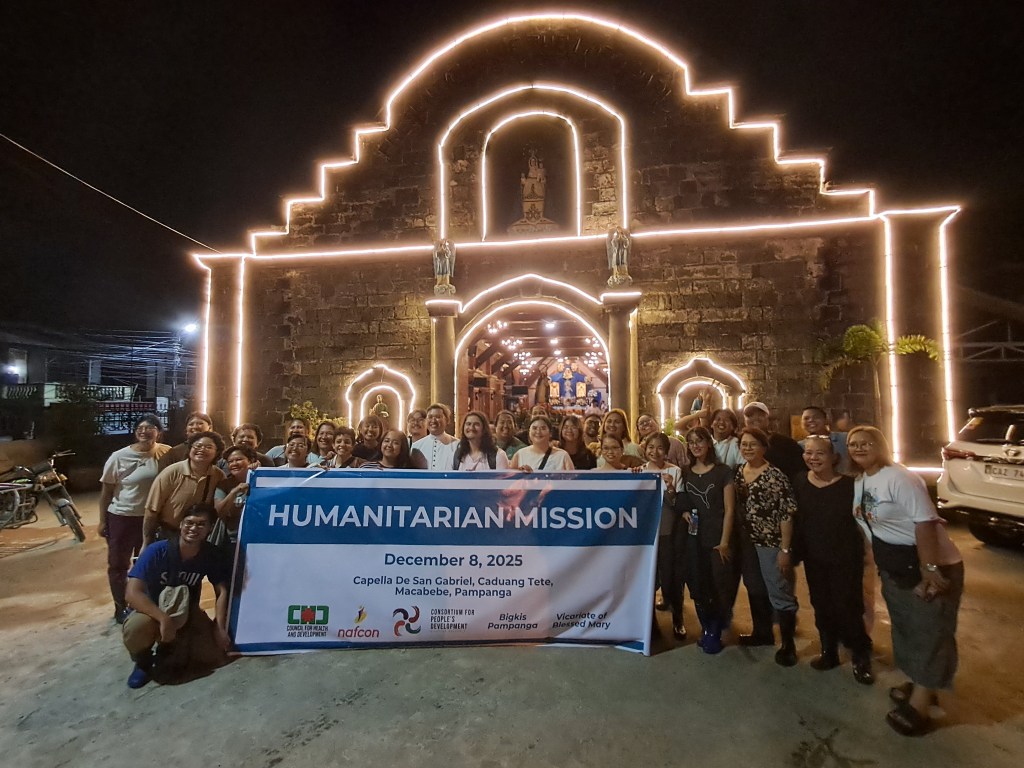
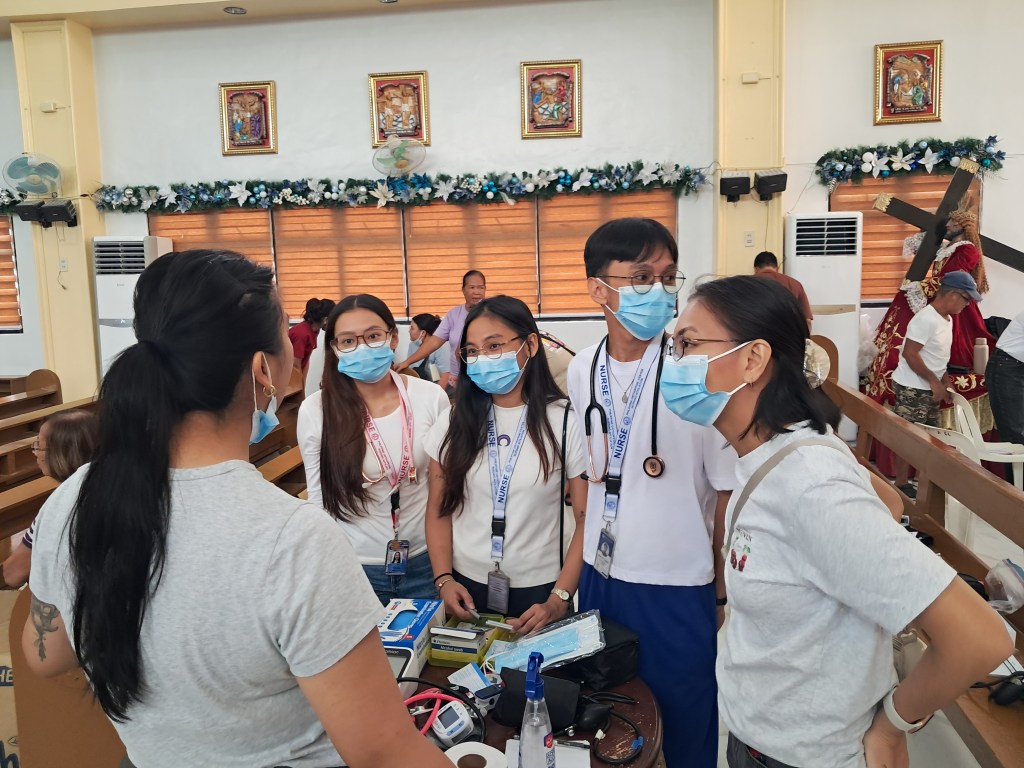
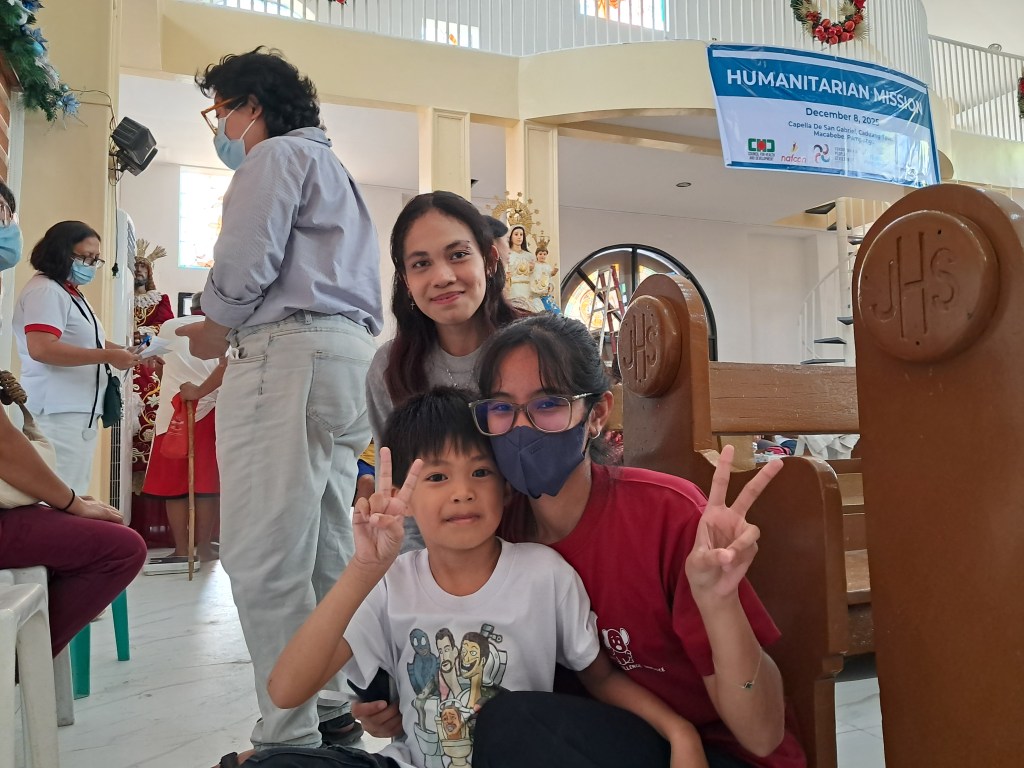
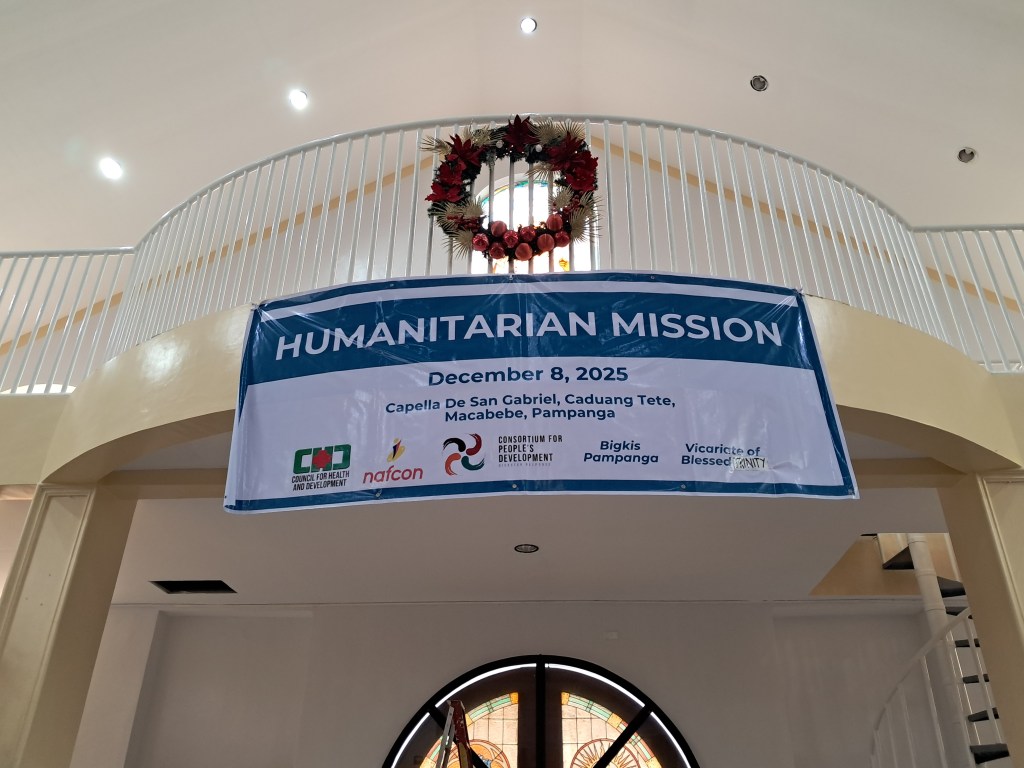
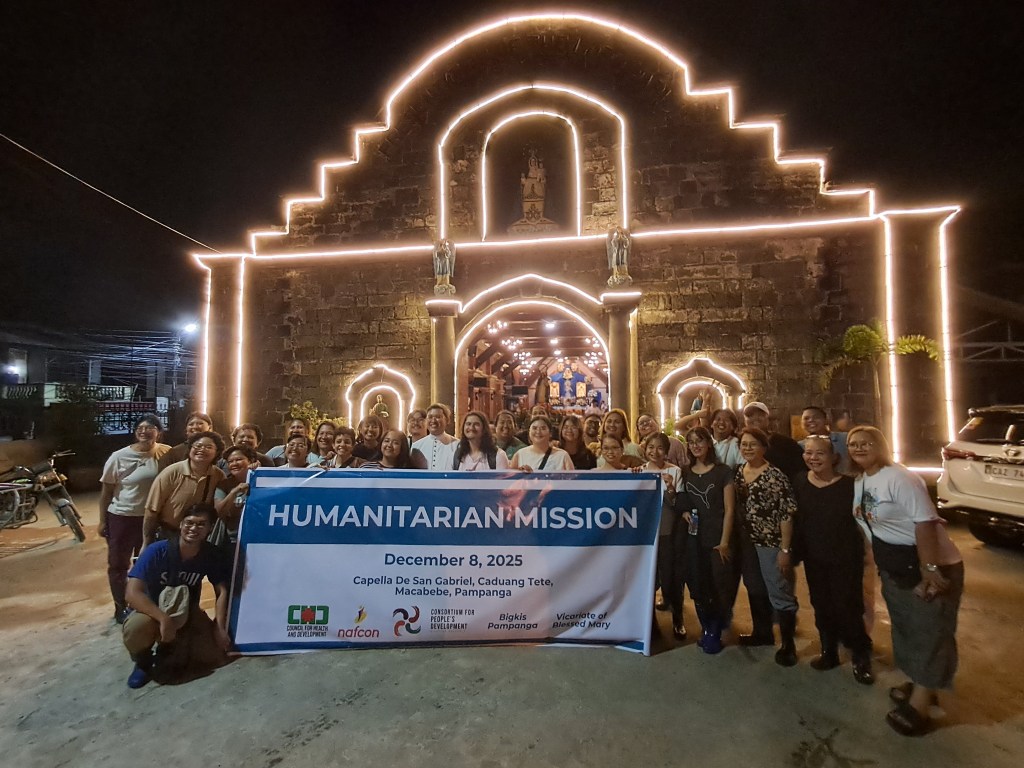
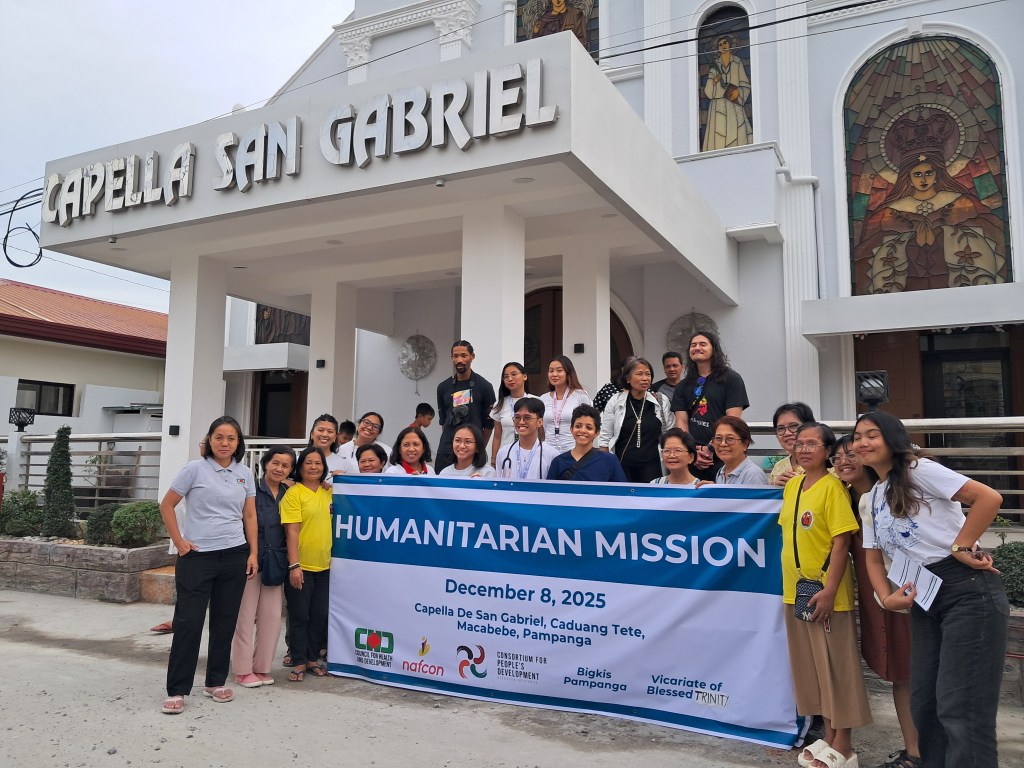
On December 8, 2025, the Council for Health and Development in partnership with the National Alliance for Filipino Concerns (NAFCON), Consortium of People’s Development – Disaster Response (CPD-DR), Bigkis Pampanga and the Vicariate of Blessed Trinity, and volunteers from Filipino Nurses United (FNU), friends of CBHP, and interns from UP Manila Department of Behavioral Sciences successfully conducted a humanitarian mission in Barangay Caduang Tete, Macabebe, Pampanga.
During the second half of 2025, many communities were flooded due to numerous typhoons that hit the Philippines. On November 14, the Provincial Disaster Risk Reduction and Management Office (PDRRMO) of Pampanga reported that a total of 109 barangays in the province remained flooded due to overflowing of the Pampanga River due to the effects of Typhoon Uwan. In Macabebe, 25 barangays were flooded, with water levels reaching one to five feet during high tide [1]. According to a 2003 University of the Philippines study on environmental changes, the Pampanga delta where Macabebe is located, is sinking due to siltation after the 1991 eruption of Mt. Pinatubo. Other causes were a decrease in flood plain areas owing to urban sprawl, fishponds, flood control dikes, and global sea level rise and land subsidence [2].
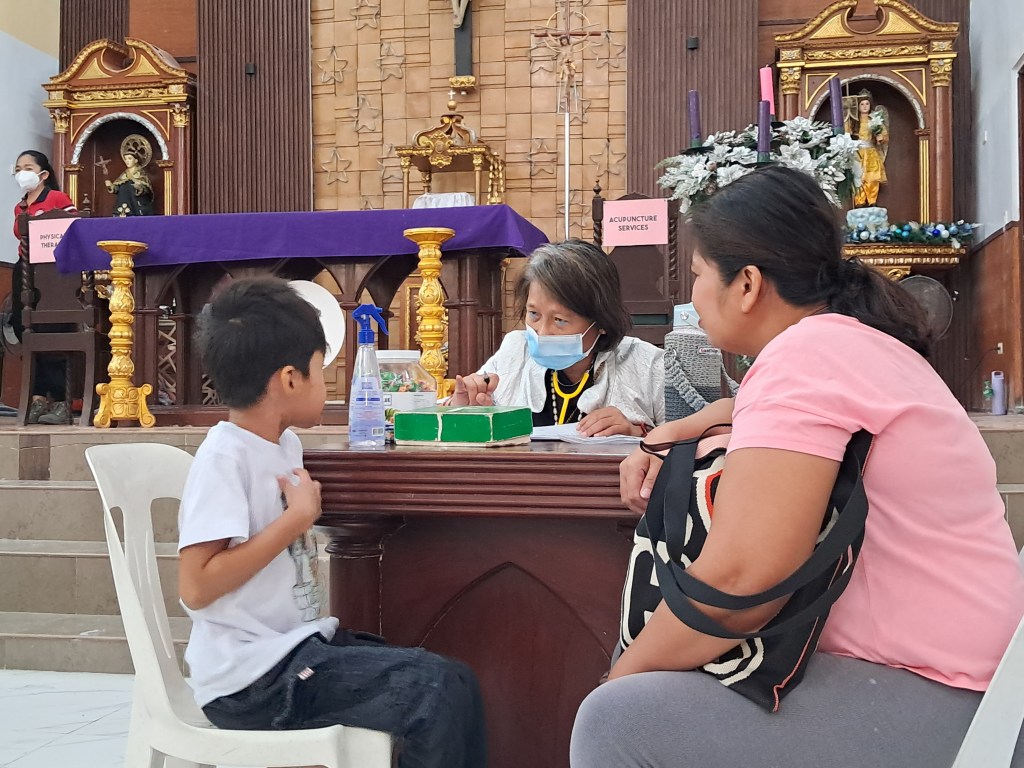
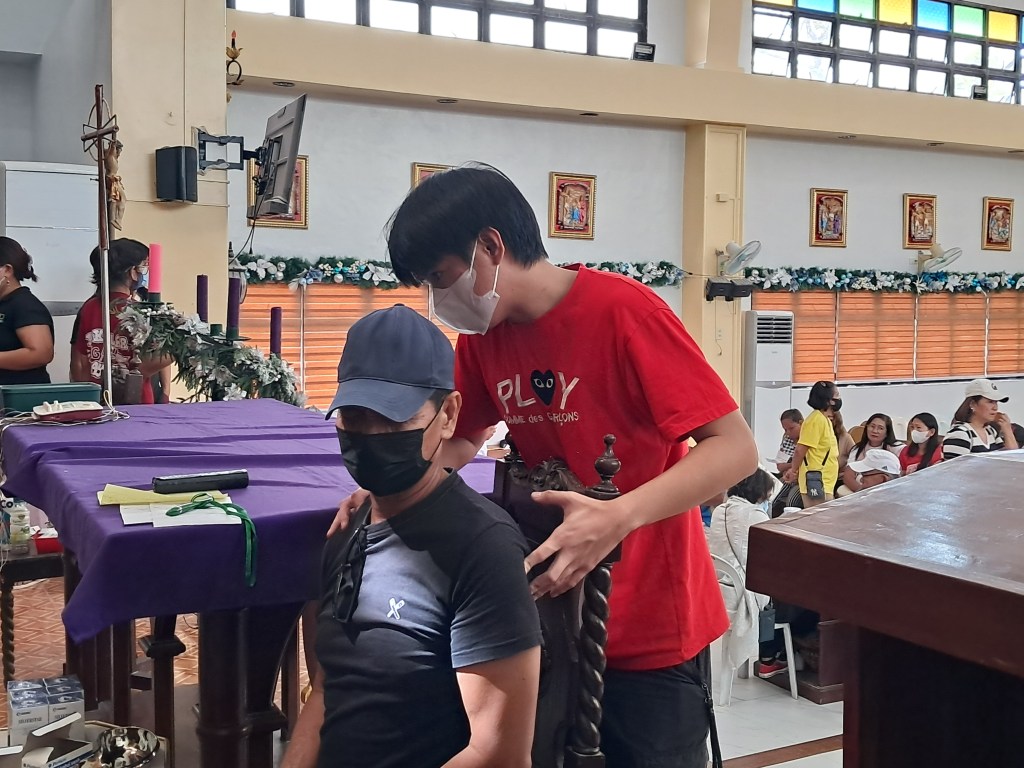
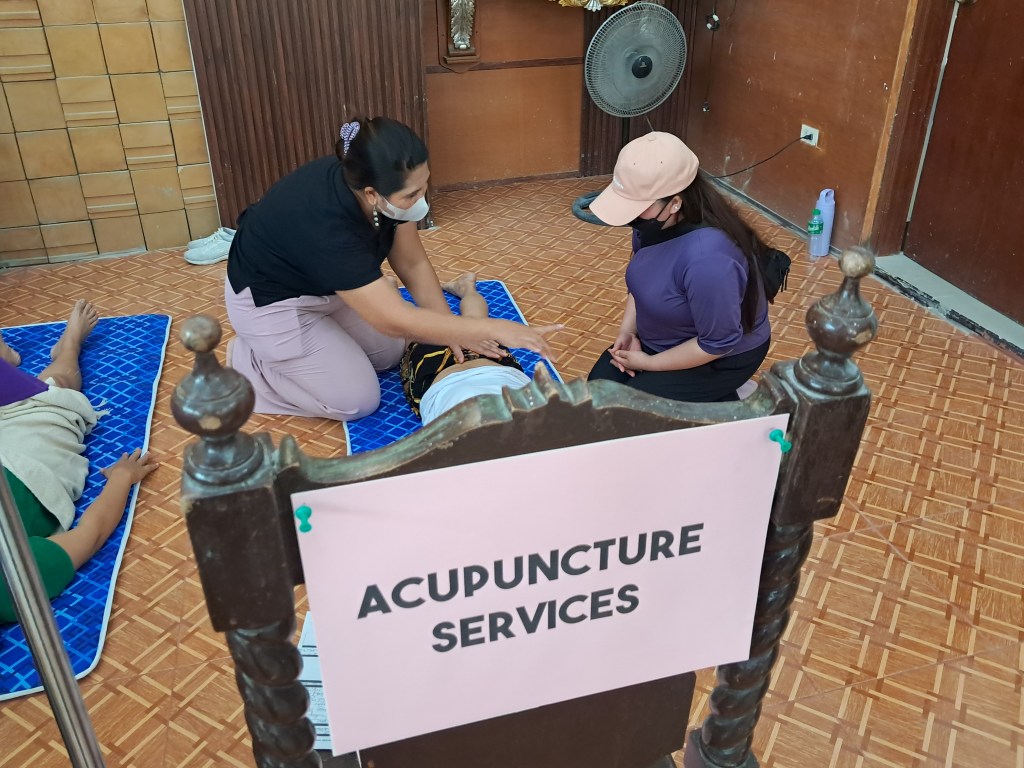
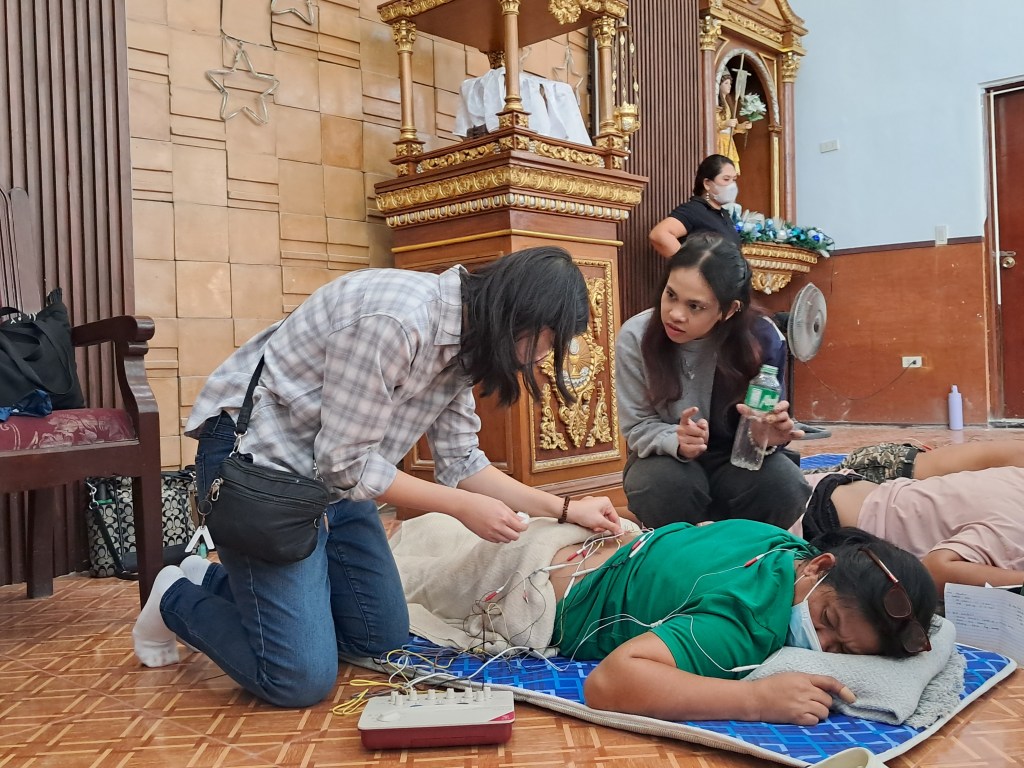
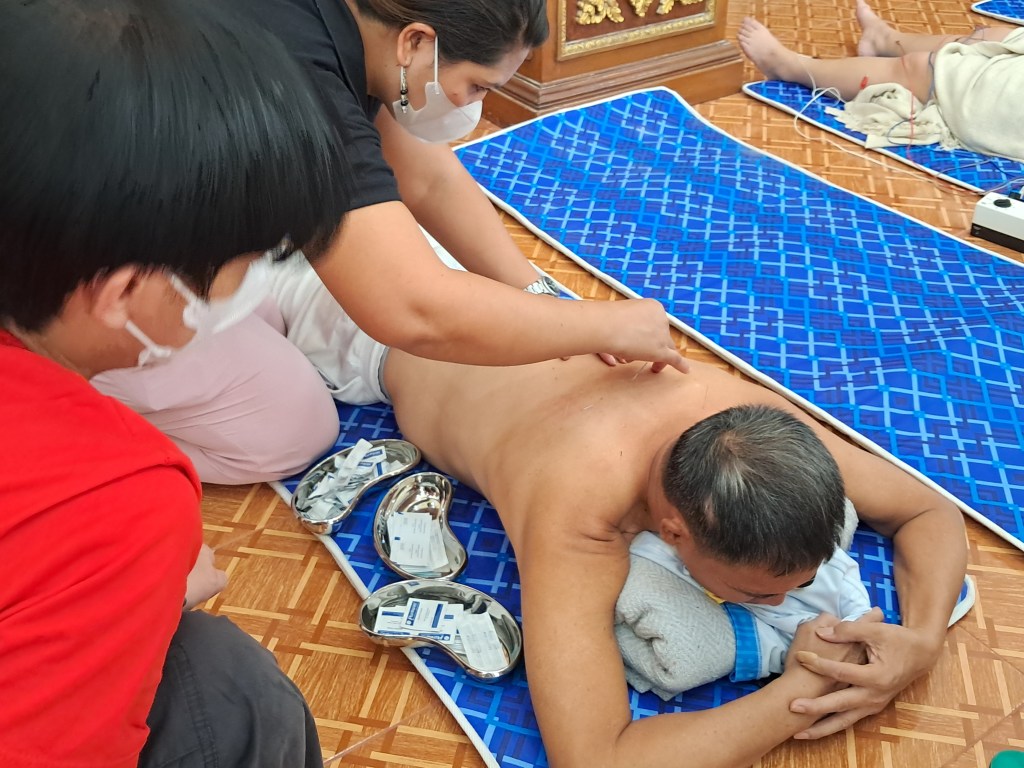
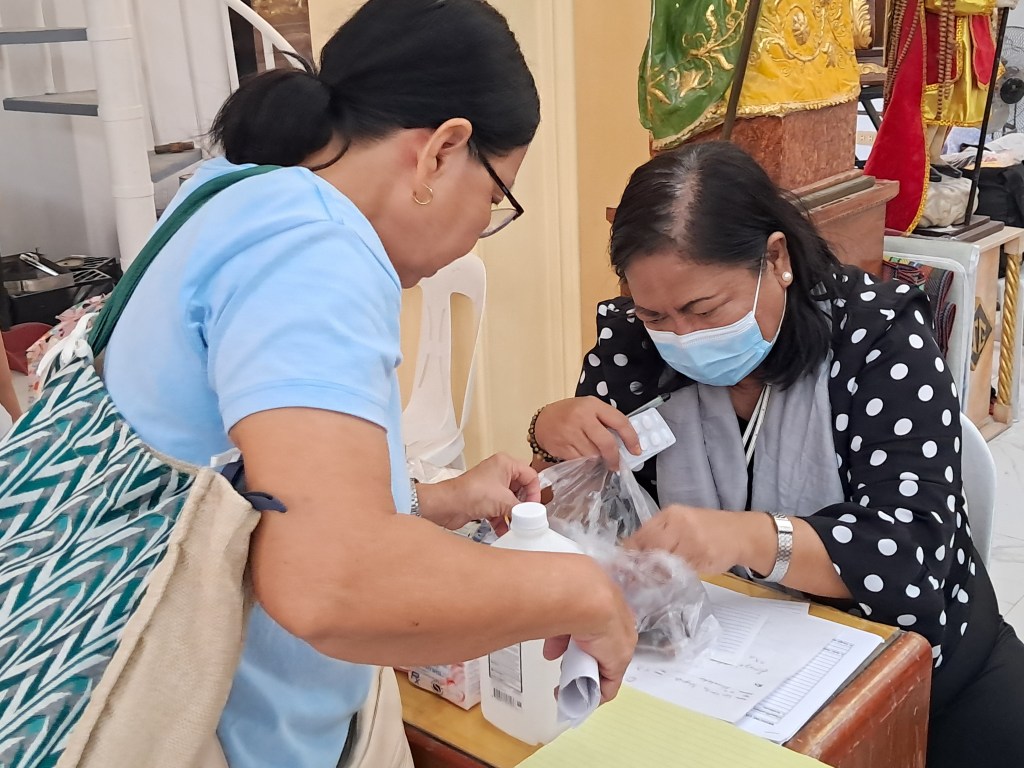
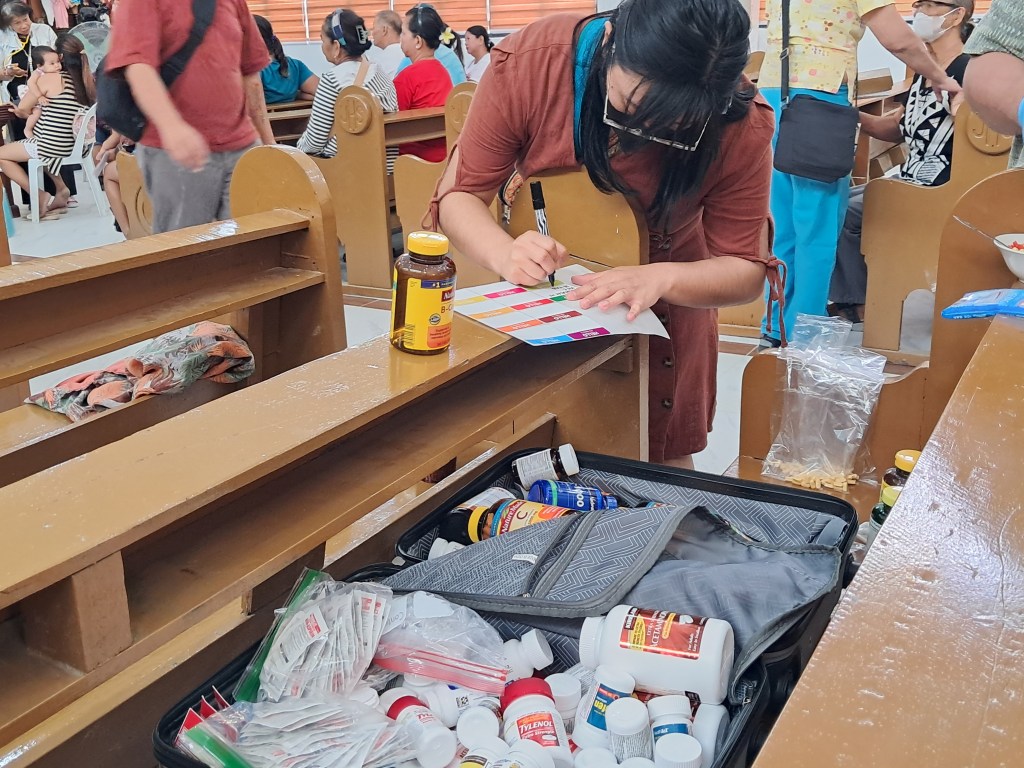
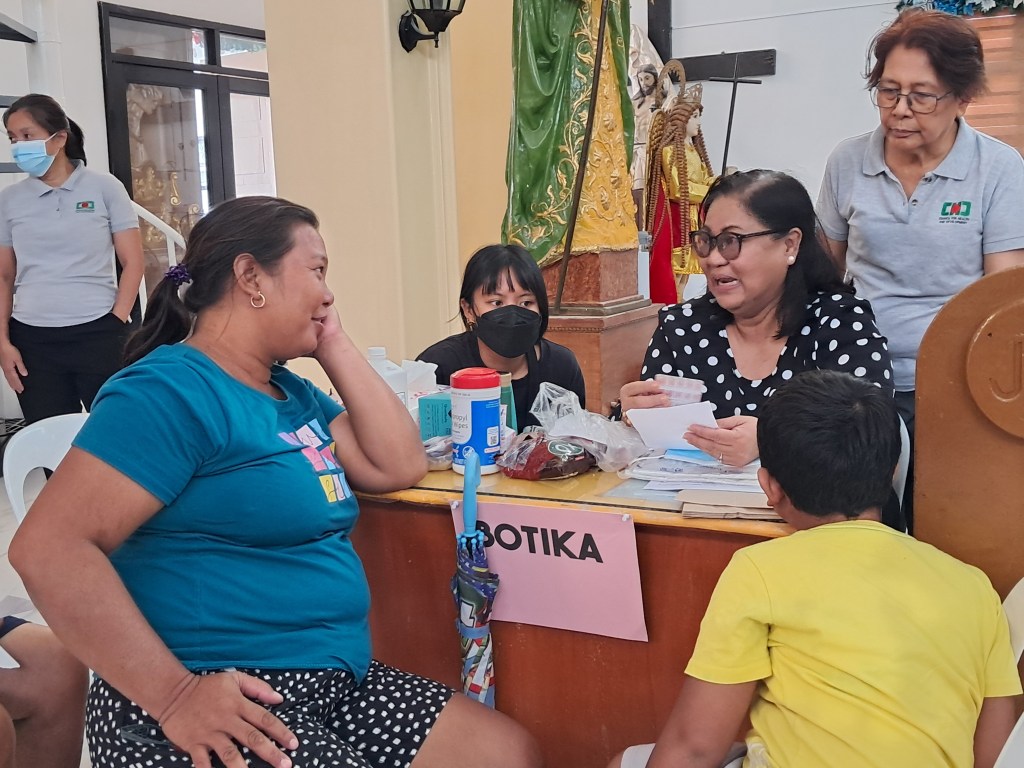
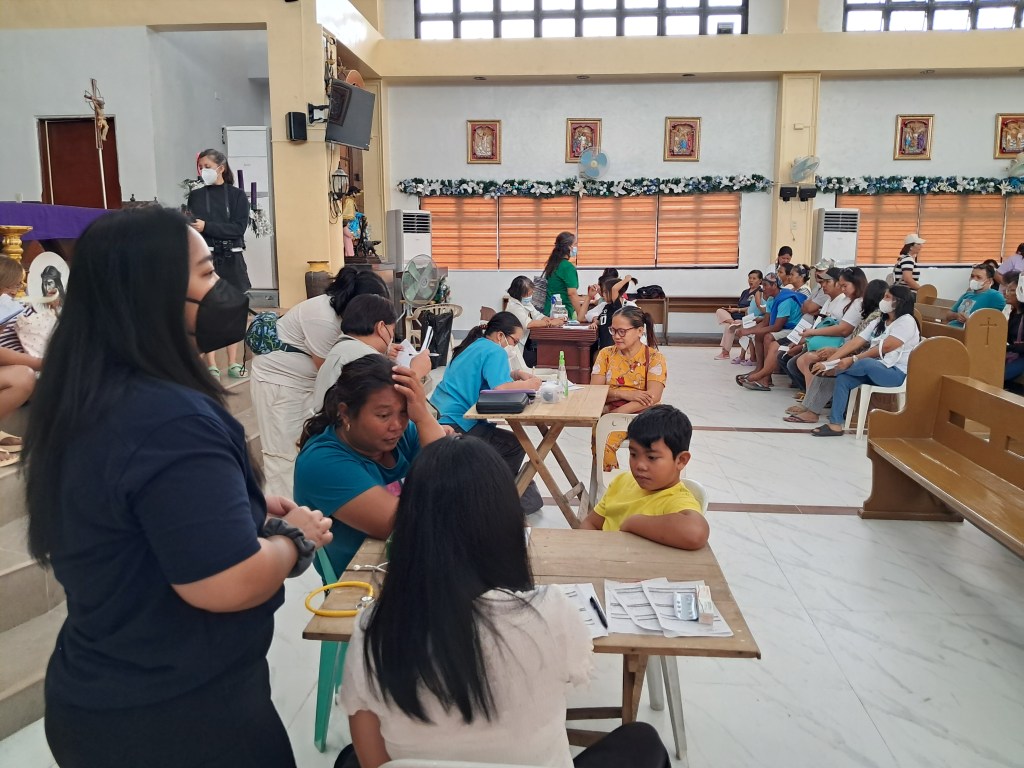
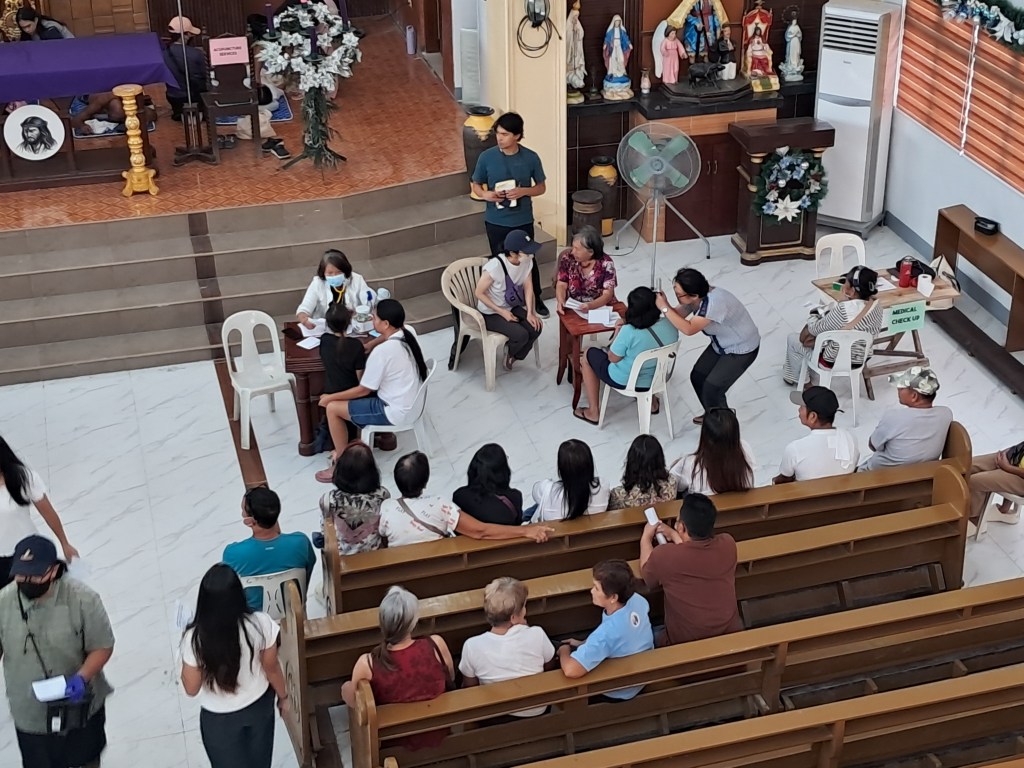
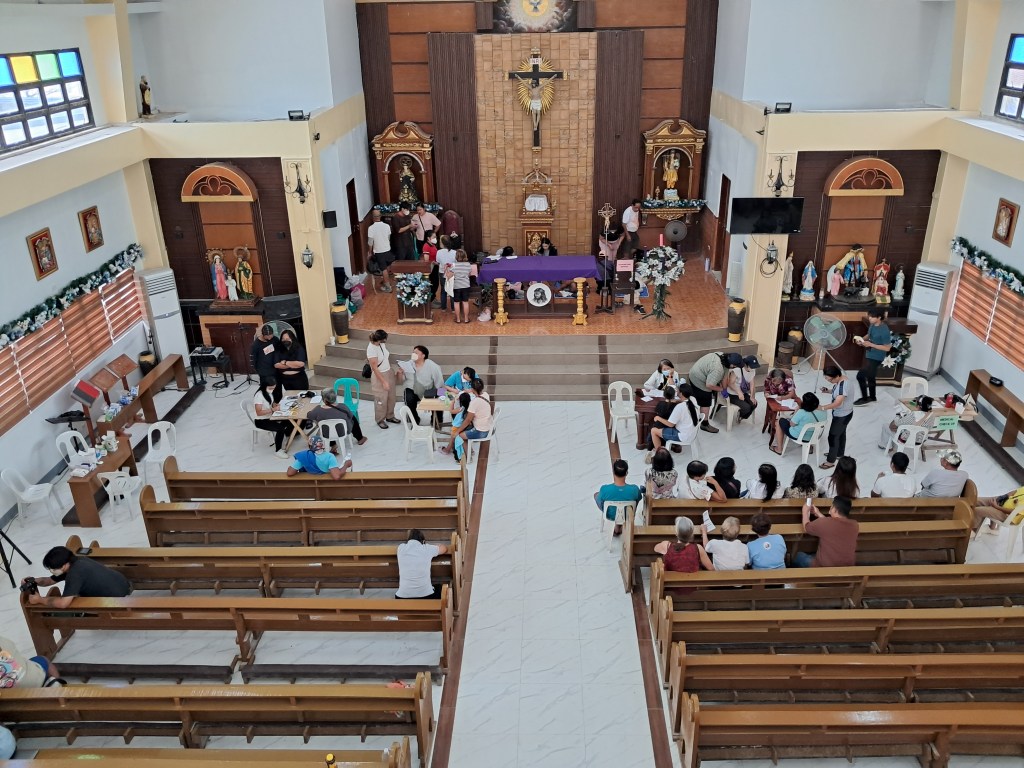
The humanitarian mission was held in Capella de San Gabriel, Caduang Tete, Macabebe, Pampanga to provide basic health care services and disaster relief to communities affected by the flooding. Out of the 158 patients served, majority of them were elderly. The health services provided were medical check-ups, physical therapy, acupuncture, and mental health services, and patient-medication counselling. During the mission, volunteers also conducted health education to the patients in the waiting area.
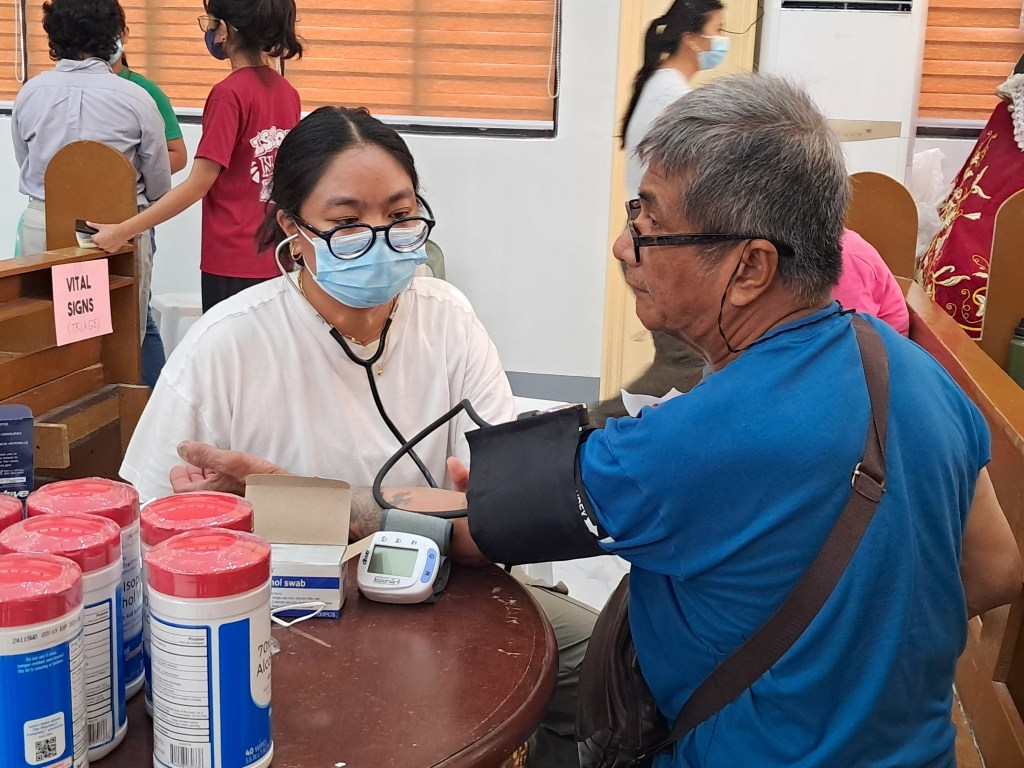
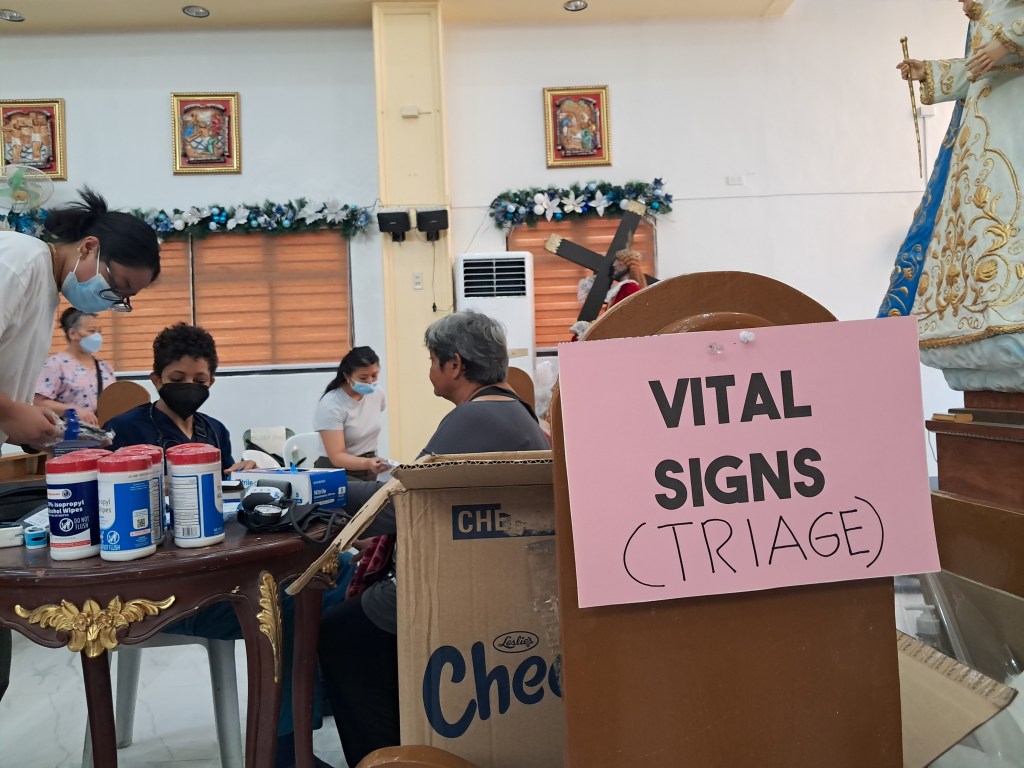
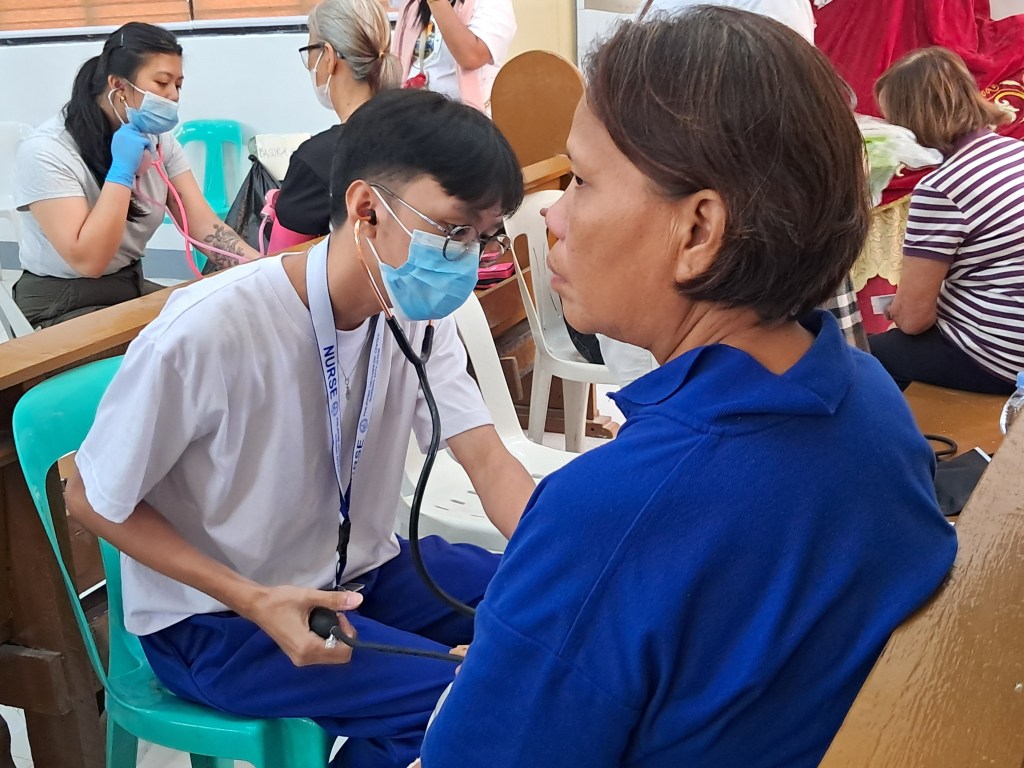
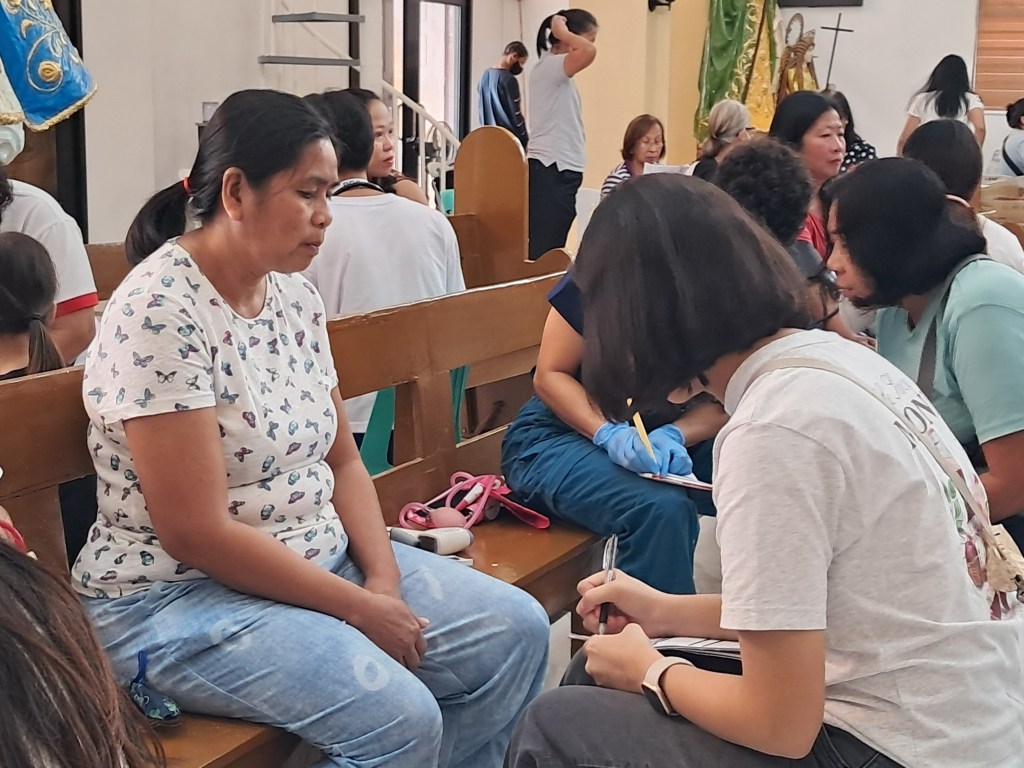
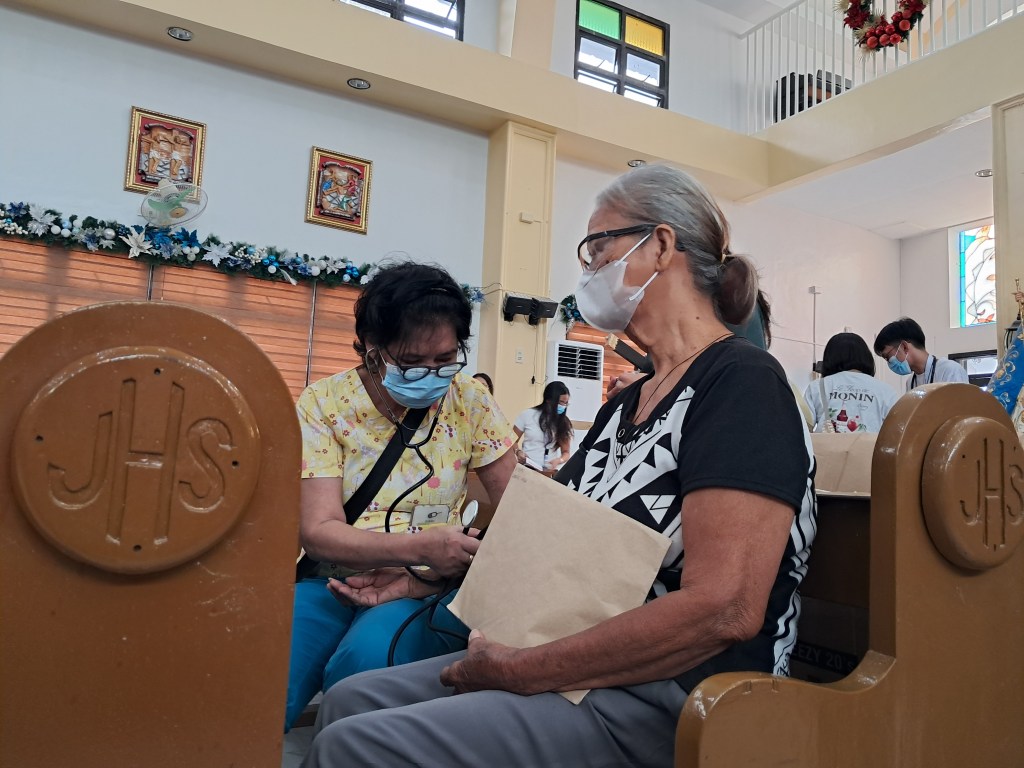
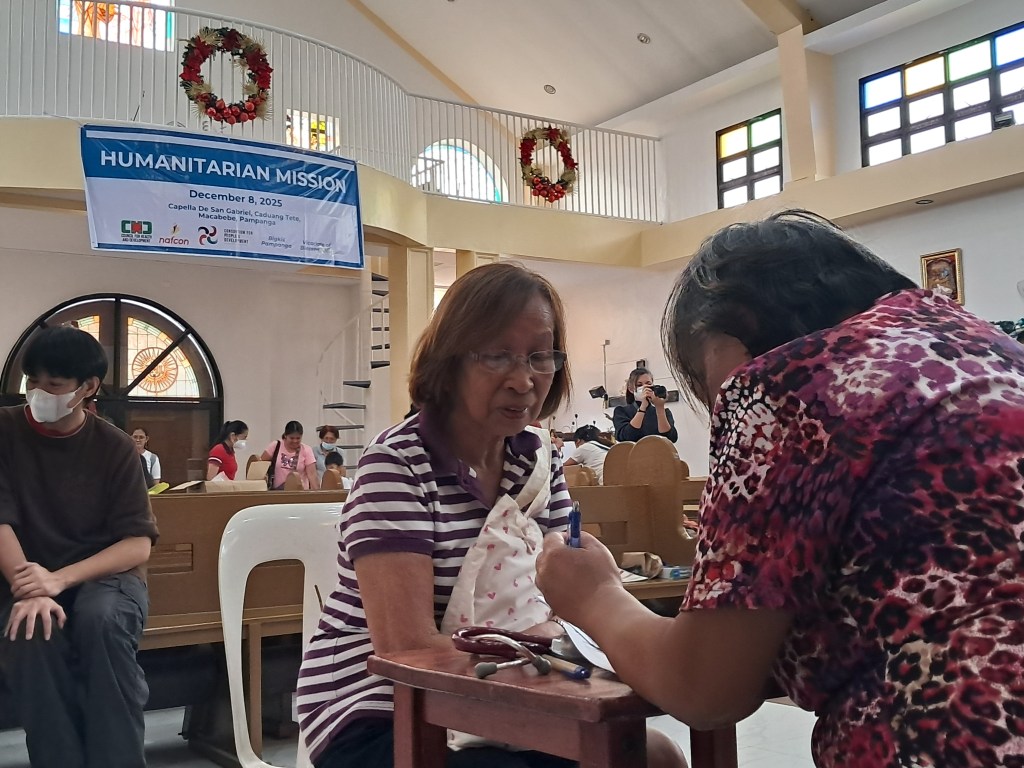
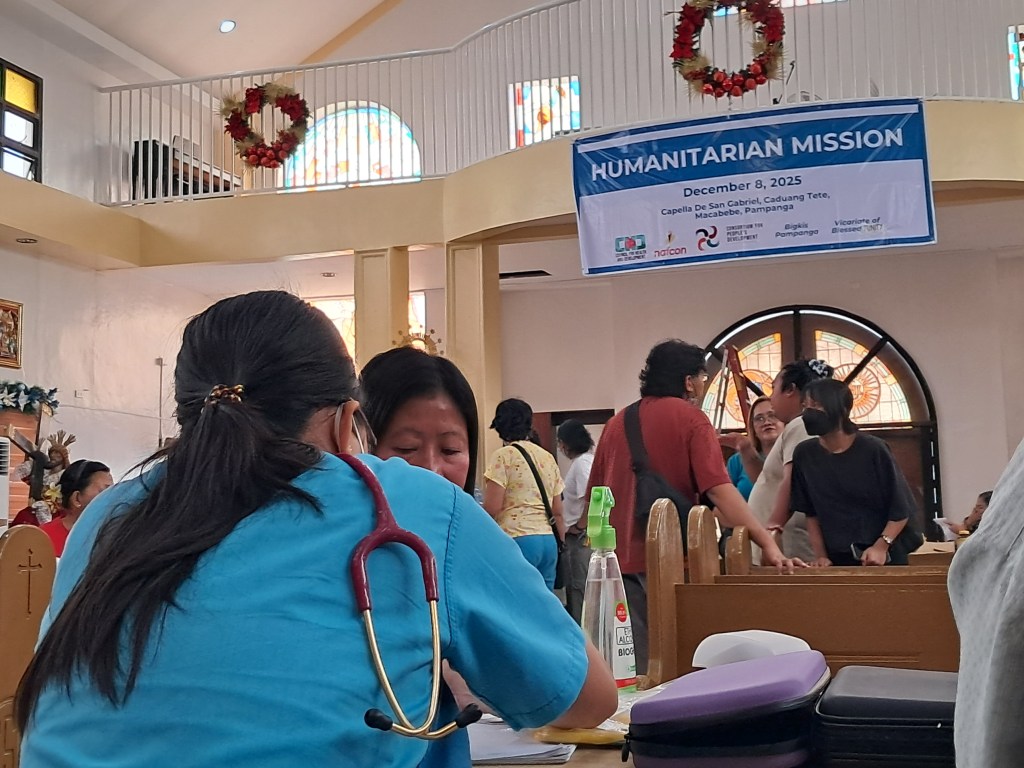
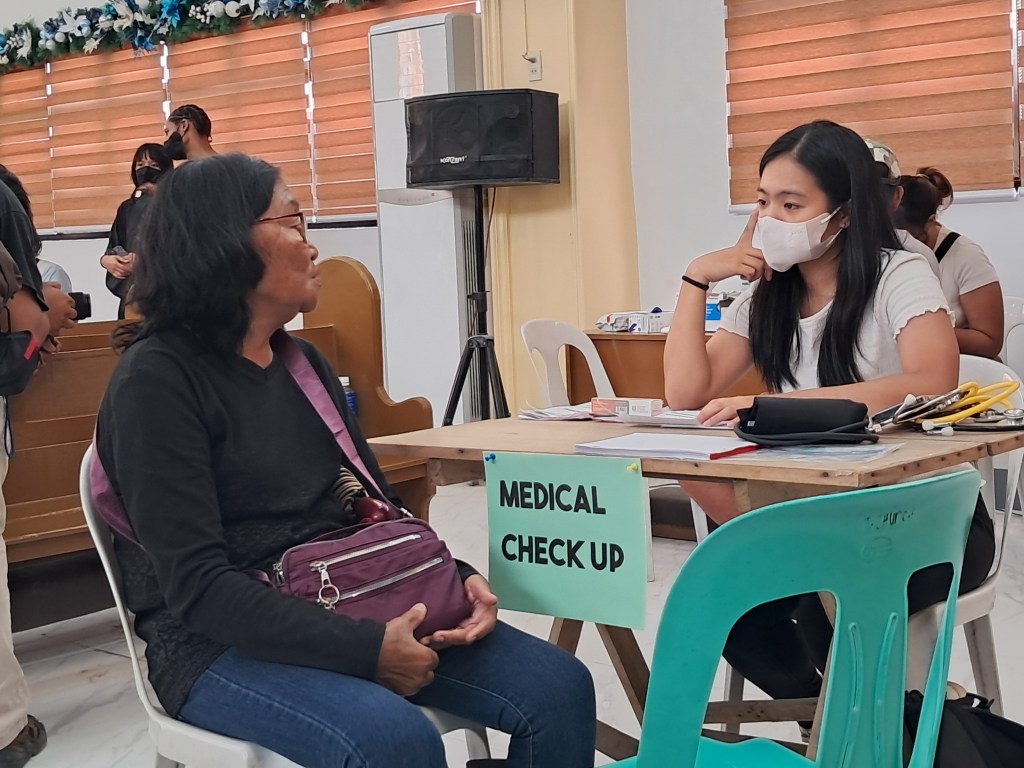
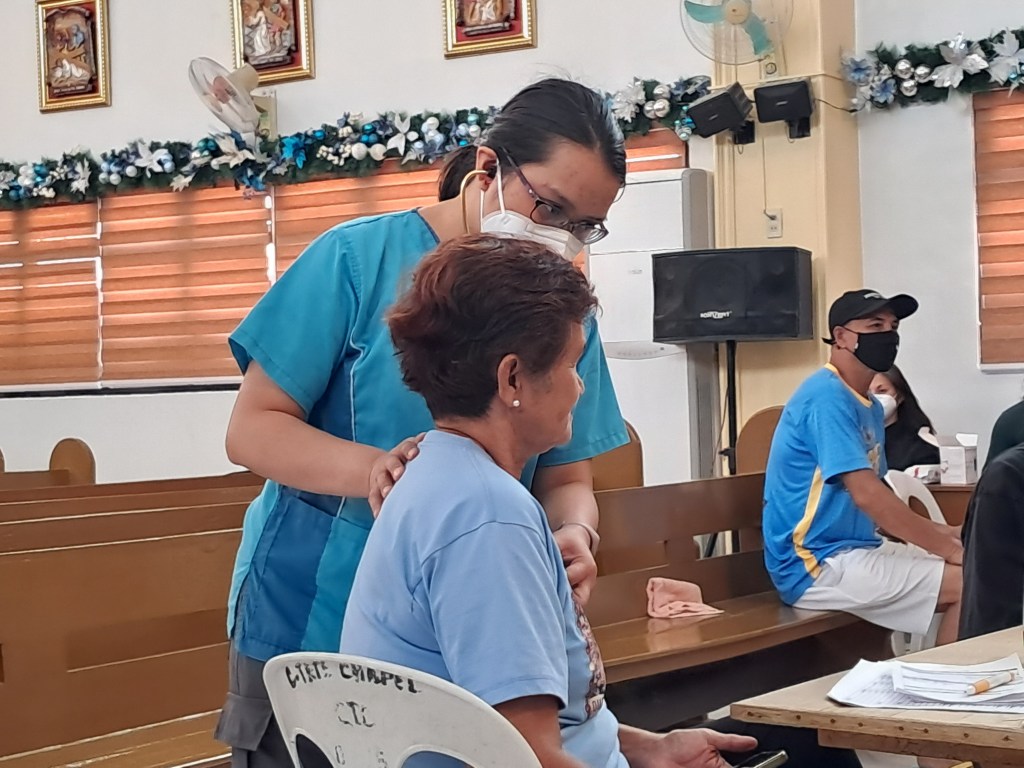
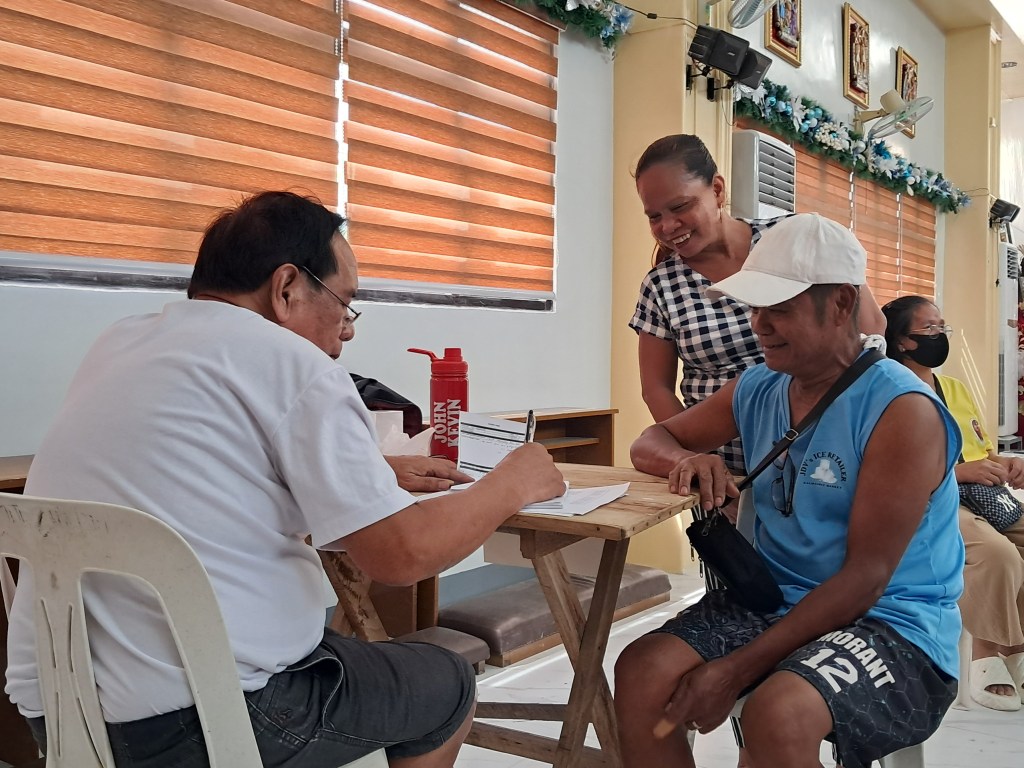
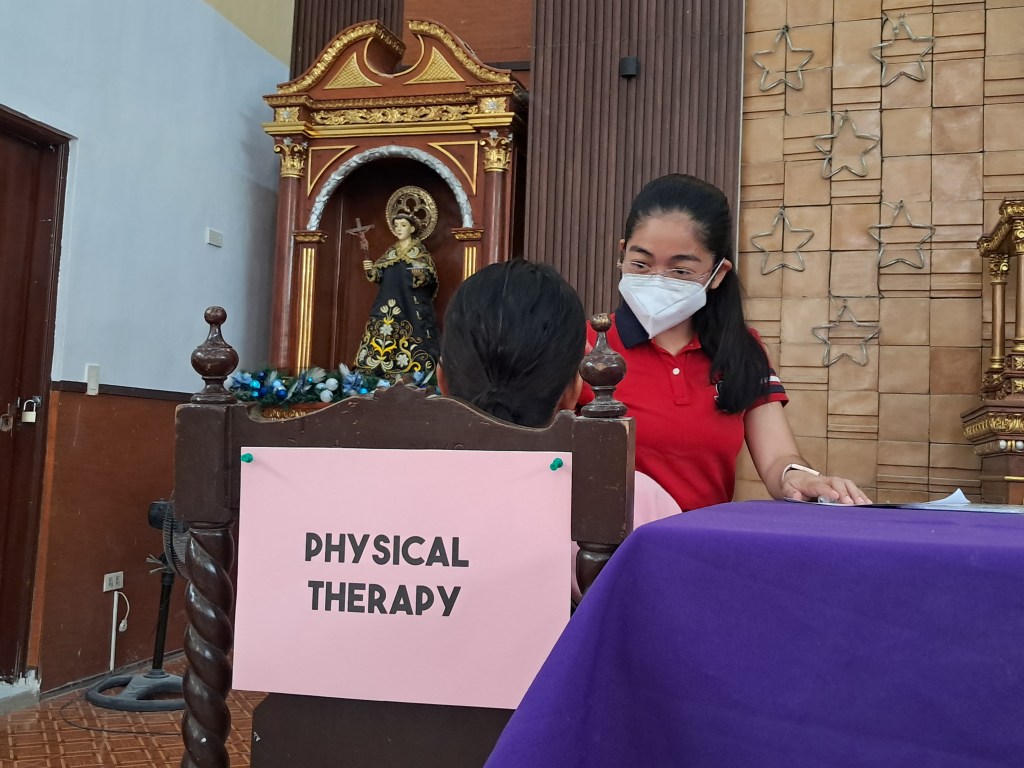
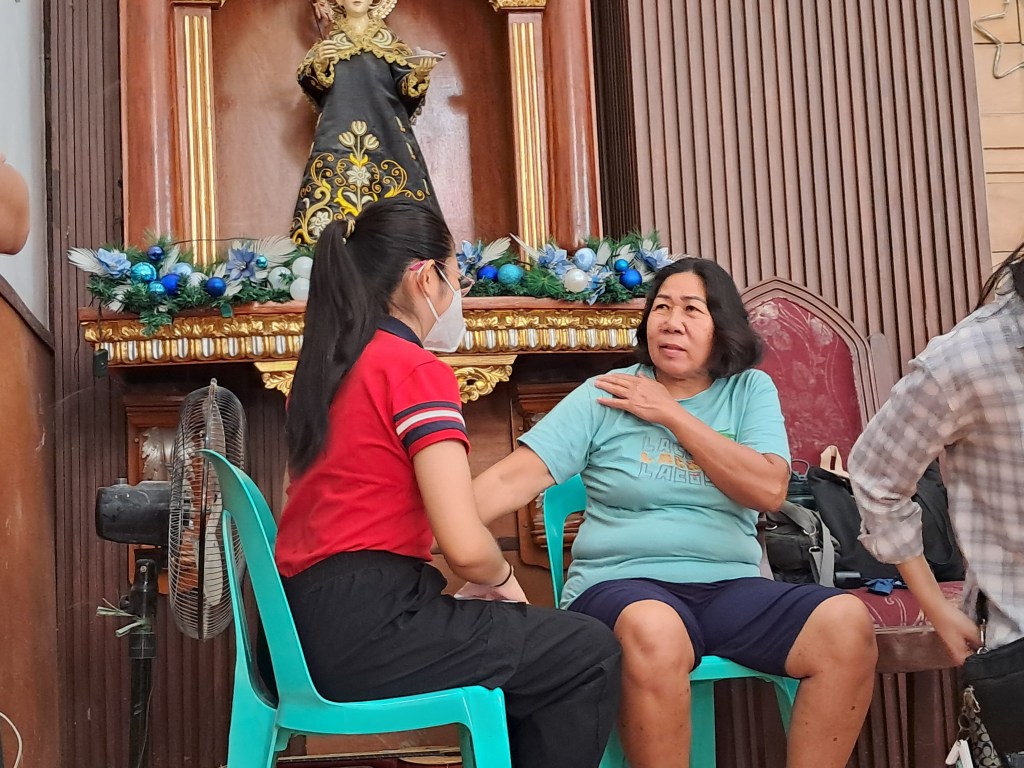
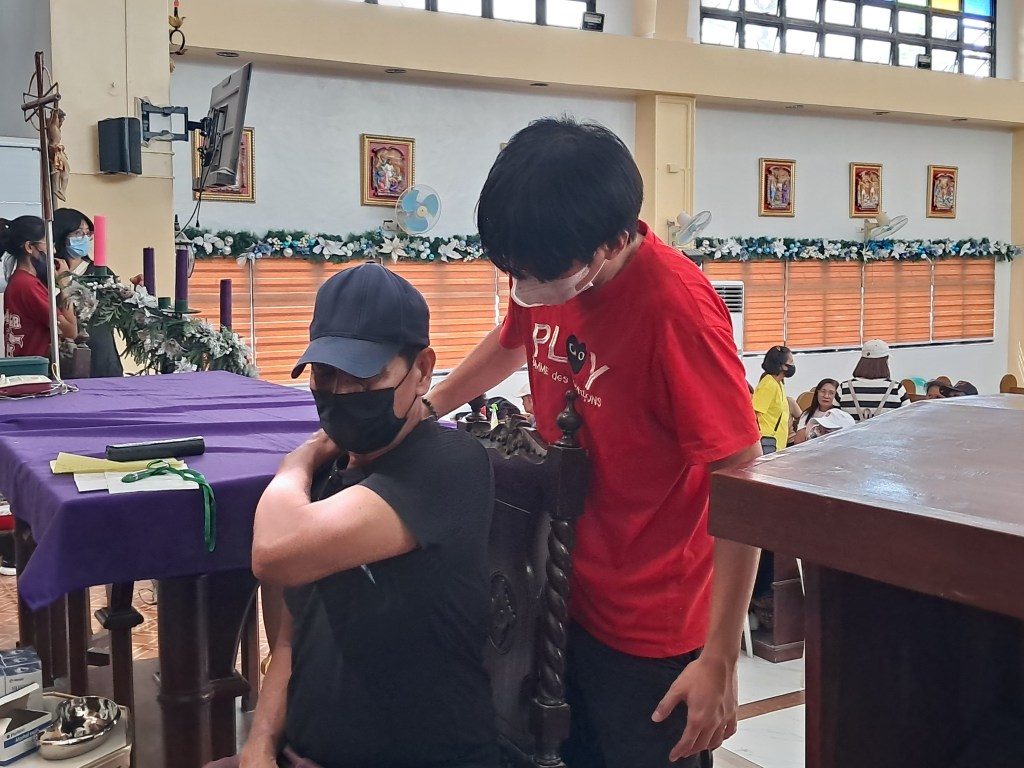
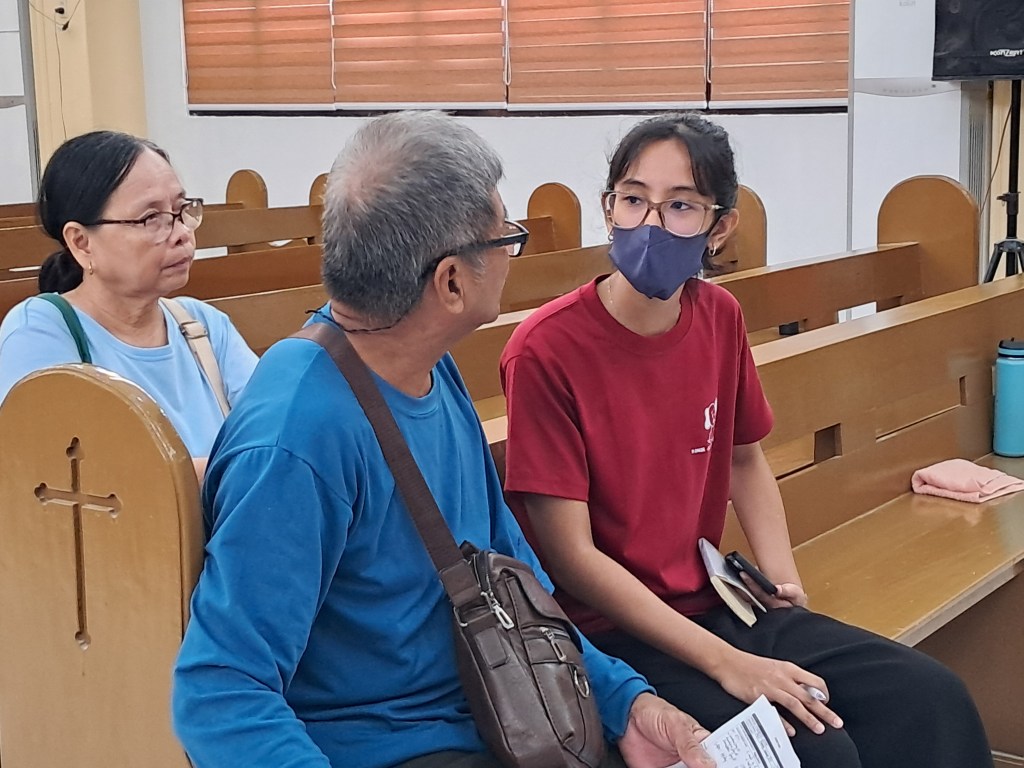
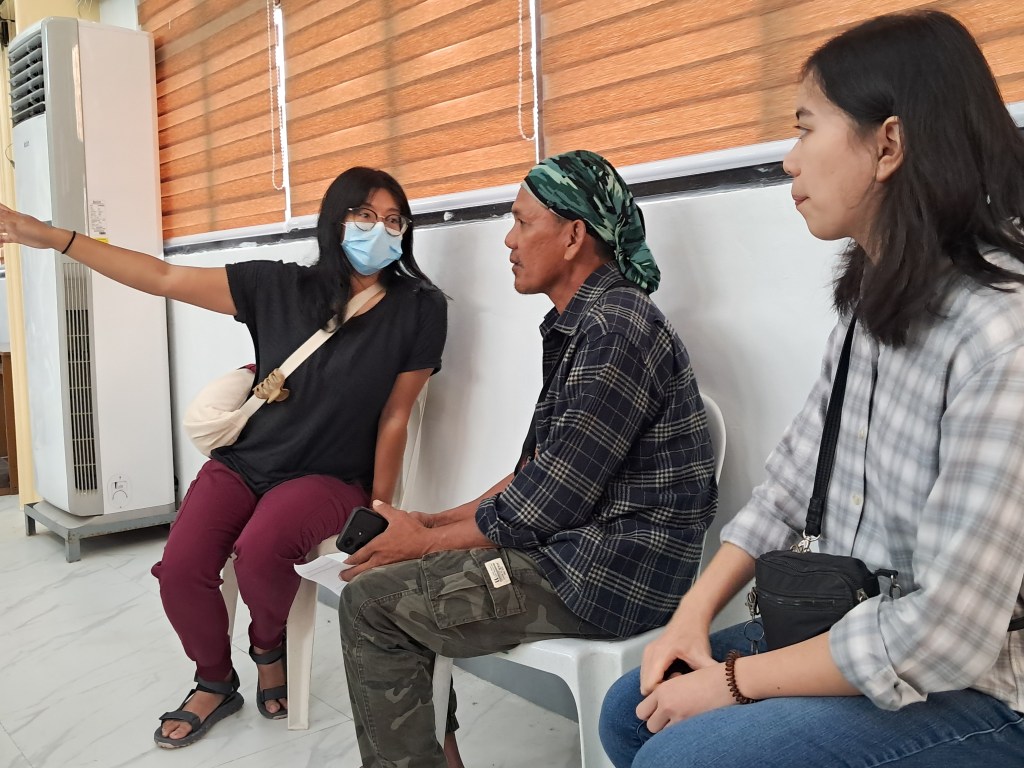
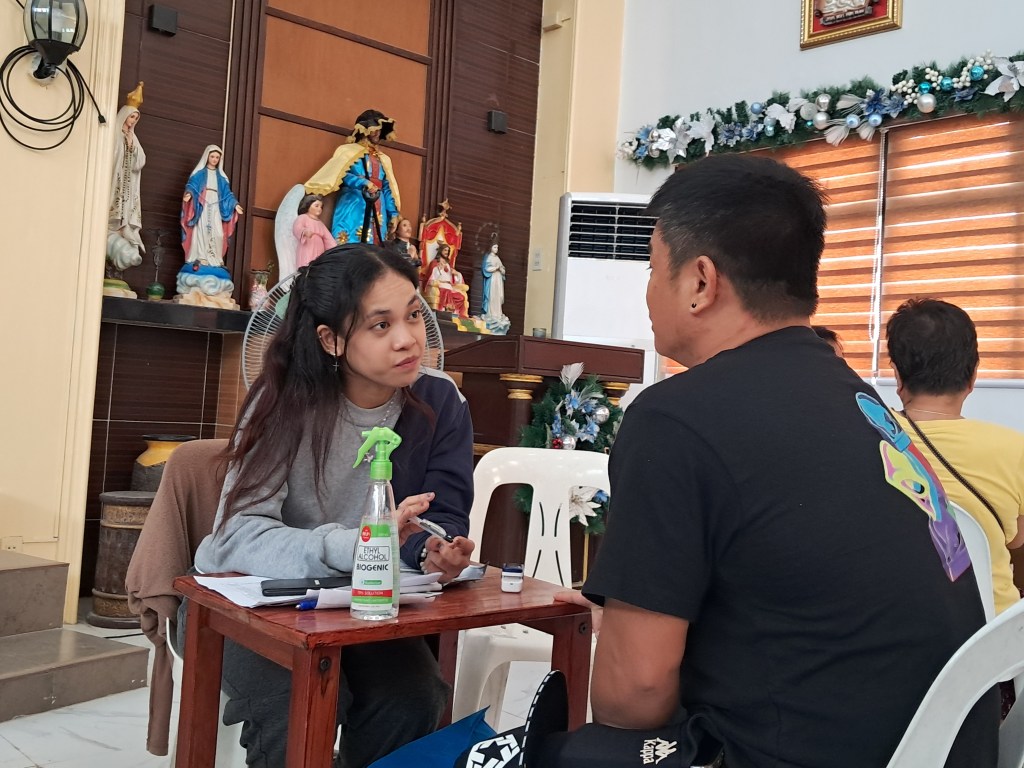
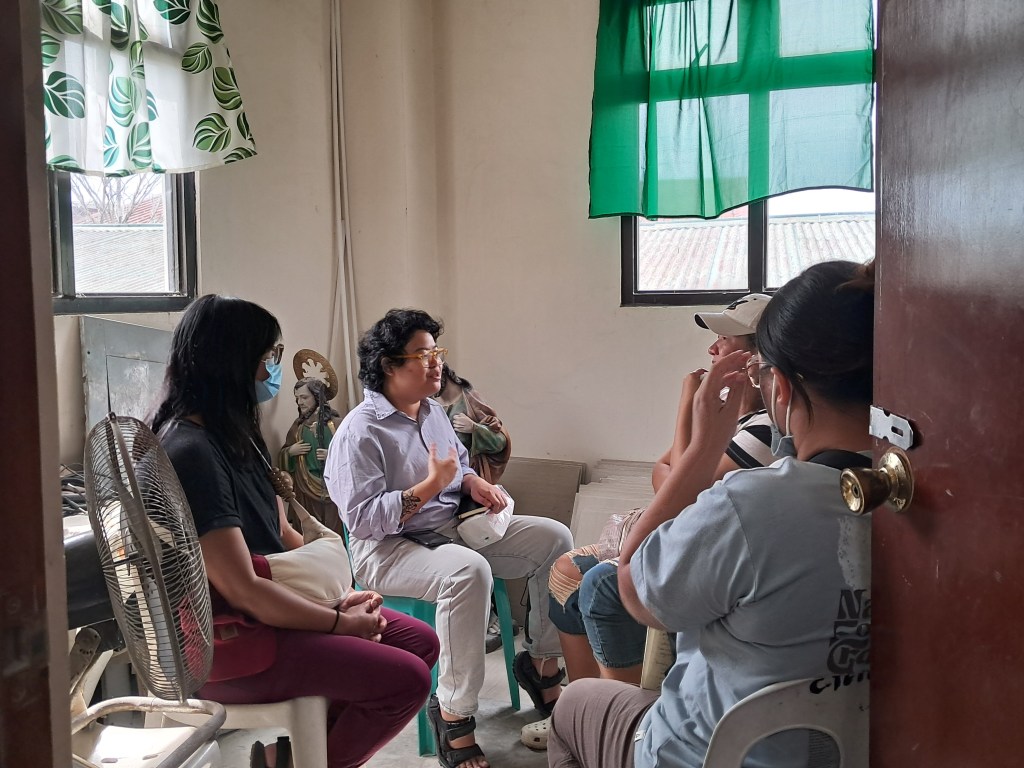
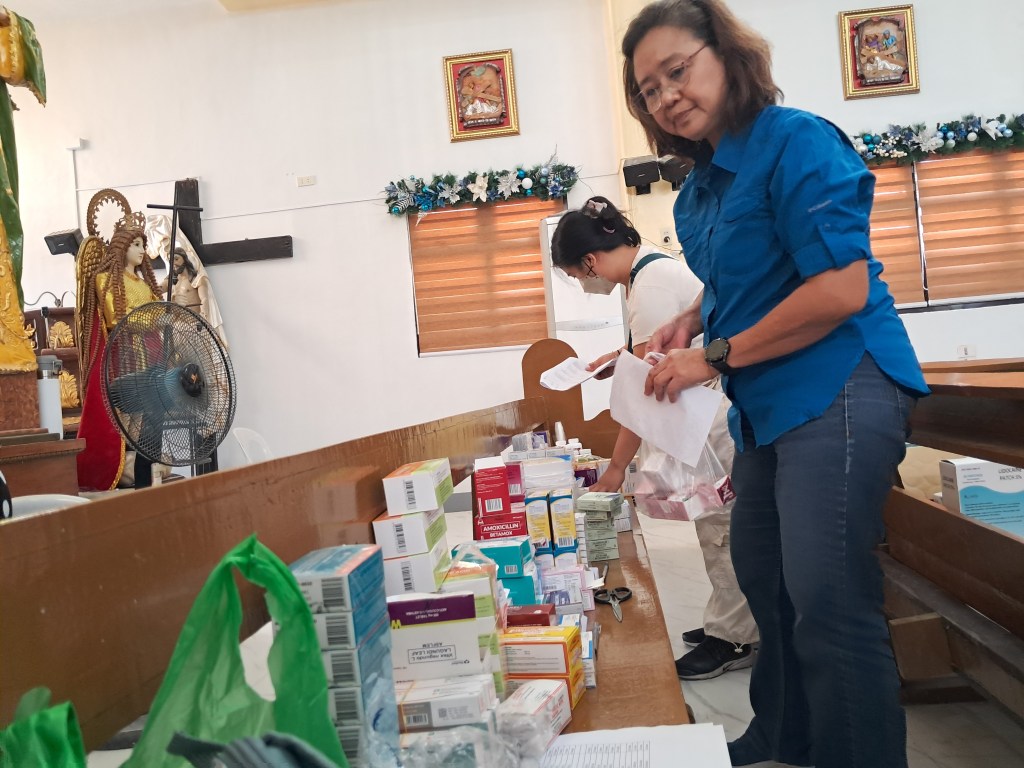
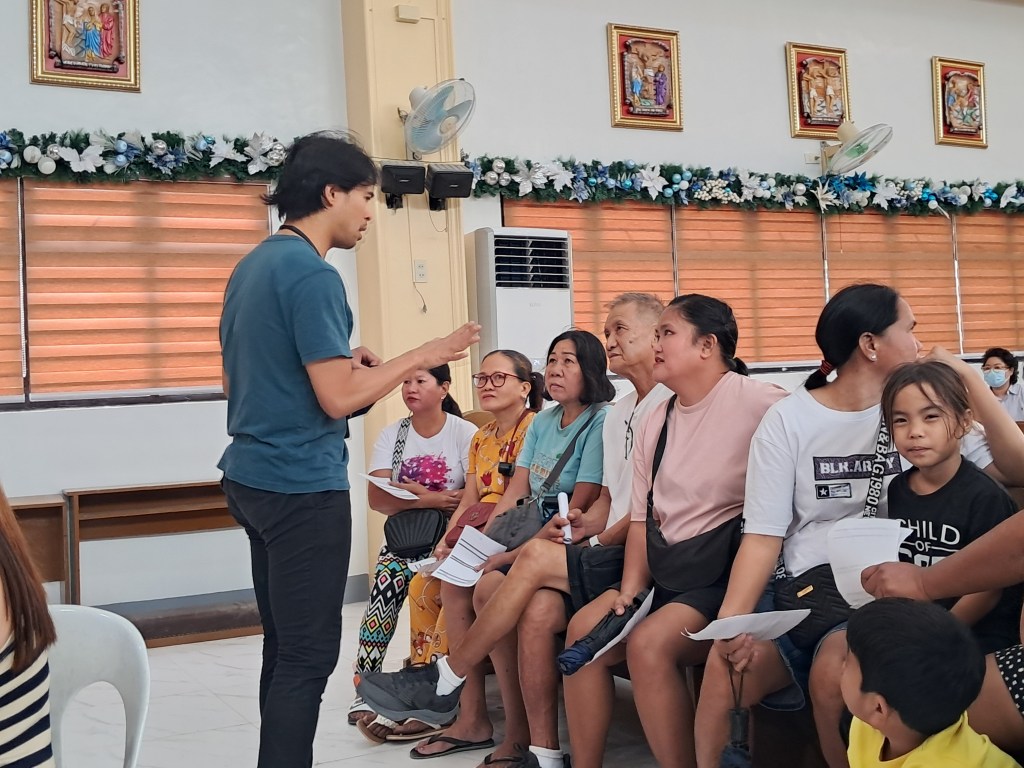
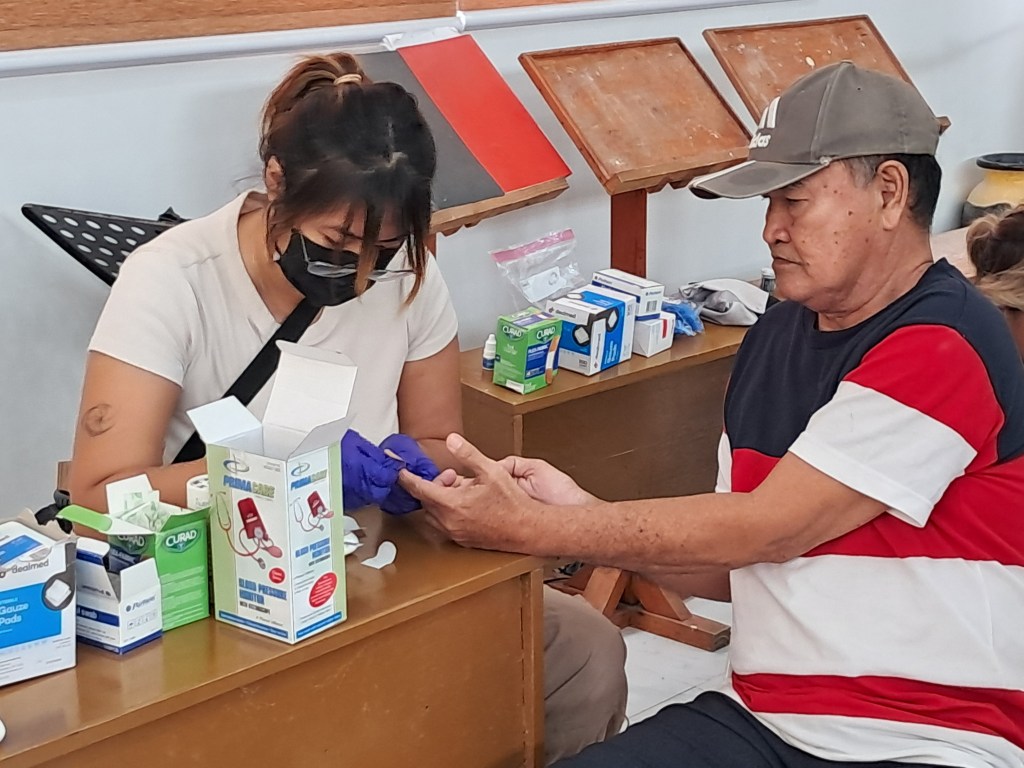

Before the humanitarian mission, the staff and volunteers of NAFCON stayed for 3 days in Macabebe to visit the affected communities in order understand and learn more about the people’s struggles during the flooding. For decades, the people endured flooding. Most of the houses which once stood on farmlands look like floating homes now in the midst of fishponds [3]. Once farmers to lush agricultural fields, most residents have turned to fishing and other sources of livelihood such as carving religious artifacts. Boats replaced plowshares as a lifeline to survive in a community surrounded by water. In terms of healthcare services, the people are still struggling to access basic health care. People waited in long lines just to avail medical check-up from their local health facilities and pay for their medicines and laboratories out-of-pocket. The Macabebe District Hospital is prone to severe flooding thus many patients and health workers are affected especially during typhoon season. On July 2025 during back-to-back storms and monsoons, floodwater reached the corridors, patient rooms, and even the nurse station. Because of this, the provincial government shut down the hospital’s operations temporarily [4].
The Pampanga Delta Development Project, which was supposed to address the flooding in Macabebe and areas located in Pampanga River Basin, has not been fully completed since its Phase I launched in 1989. The PDDP is funded by the loans from Japan’s Overseas Economic Cooperation Fund (OECF) under the Official Development Assistance (ODA) program amounting to ¥8.634 million (approximately PHP 17 billion at the time) for Phase I and South Korea’s Korean Economic Development Cooperation Fund (KEDCF) amounting to ₱7.57 billion for Phase II. Despite the project is heavily funded, the DPWH failed to fully implement the PDDP, forcing them to shorten the length of the dike by 9.5 km (almost 42%) from its original plan and the resettlement plan for those displaced by dike construction was not completed due to unresolved disputes with affected communities. Currently the Phase II of the project is underway as President Marcos has inaugurated the Integrated Disaster Risk Reduction and Climate Change Adaptation (IDRR-CCA) Measure in Pampanga Stage I on August 2024. This raises concerns from the communities who will be directly affected by the said project. Approximately 6,000 families in six barangays in San Simon and 9,000 families in San Luis are expected to be affected. The proposed relocation site is also raising concerns in terms of food security for the communities as the site is an agricultural land.
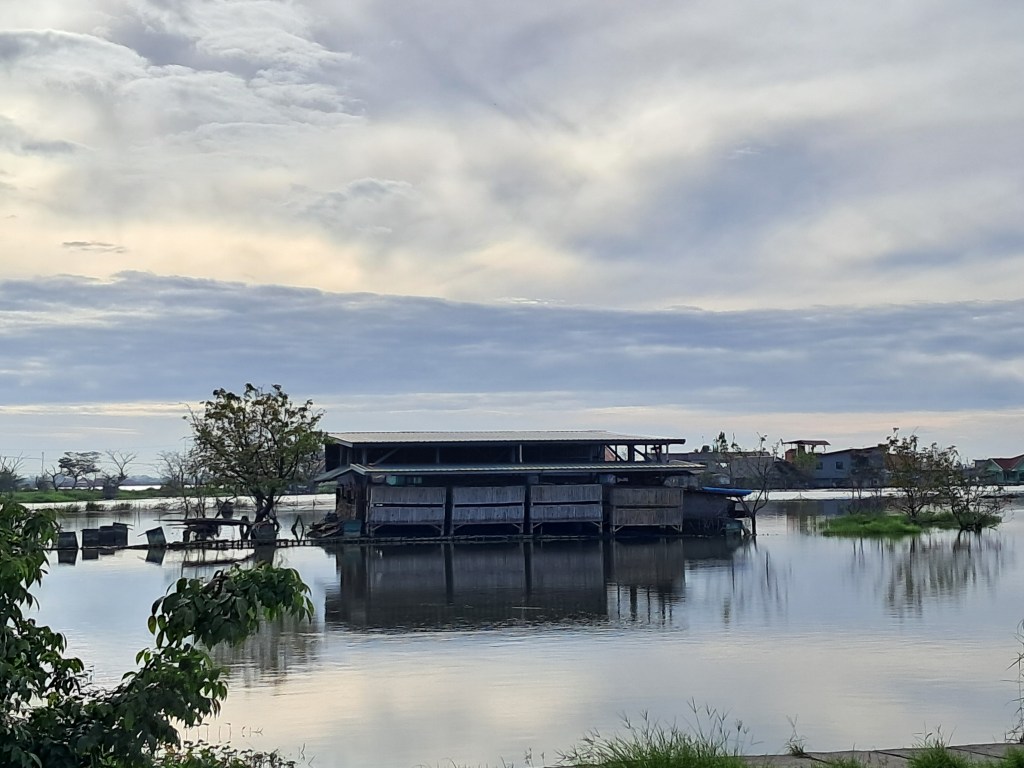
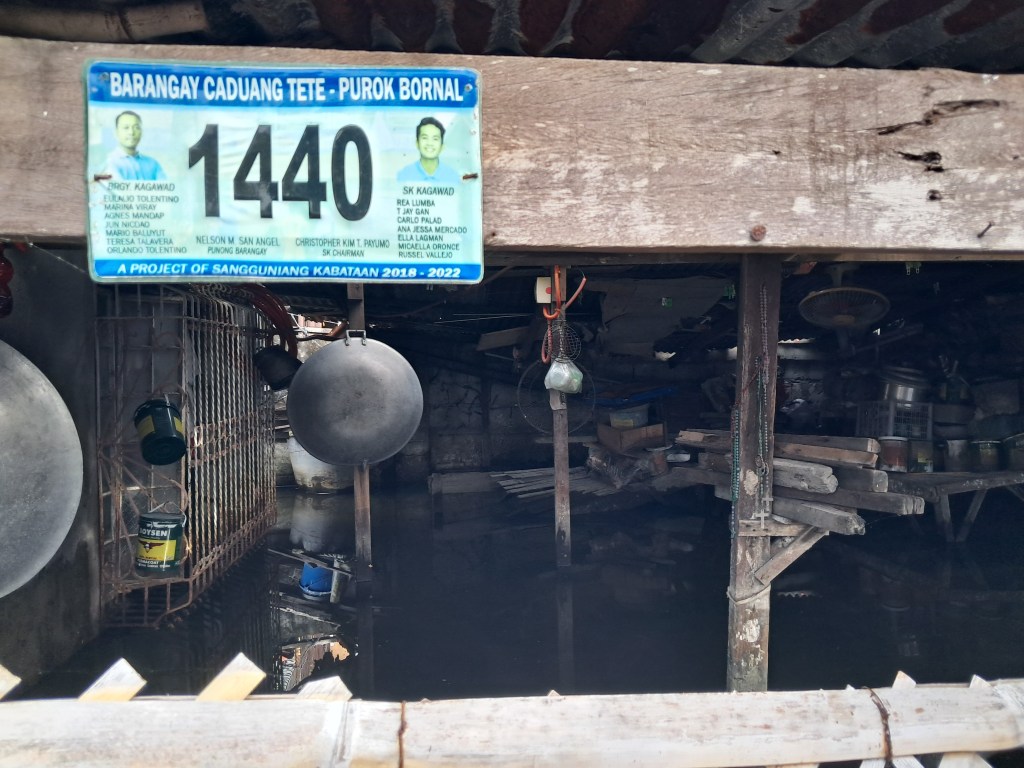
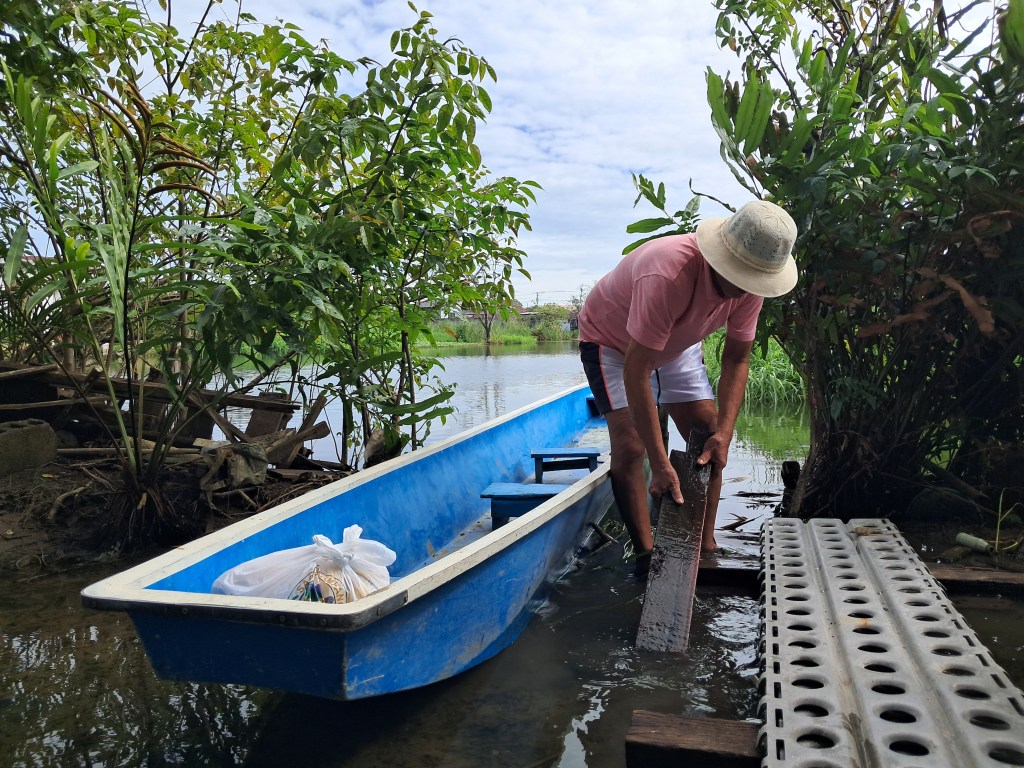
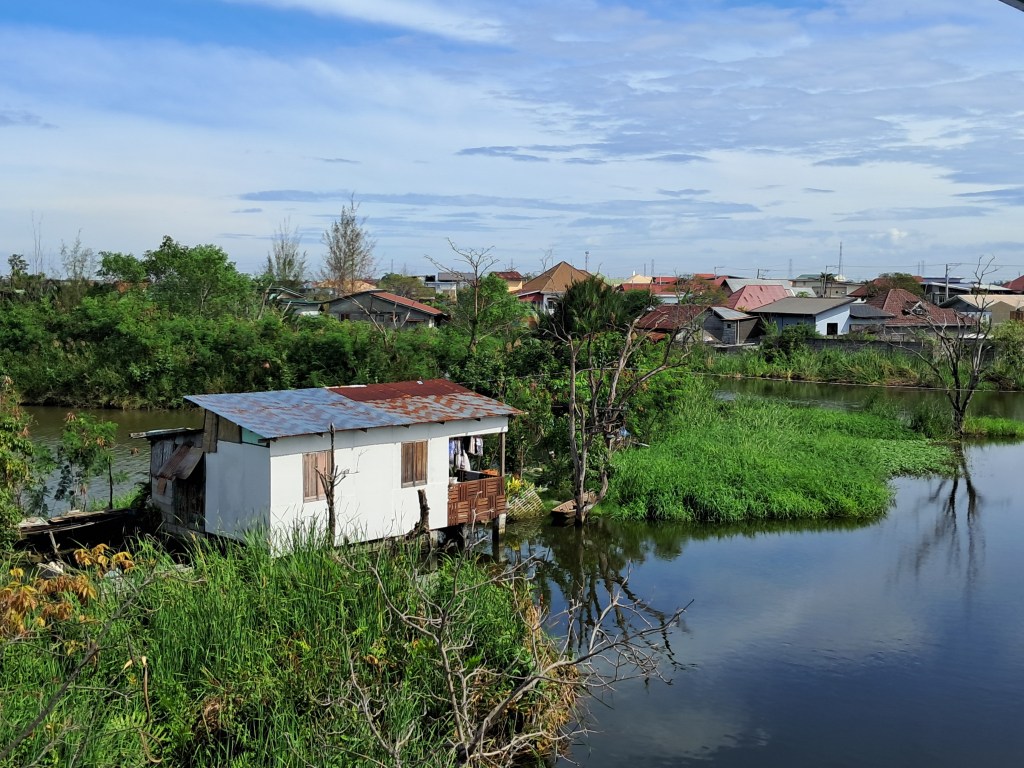
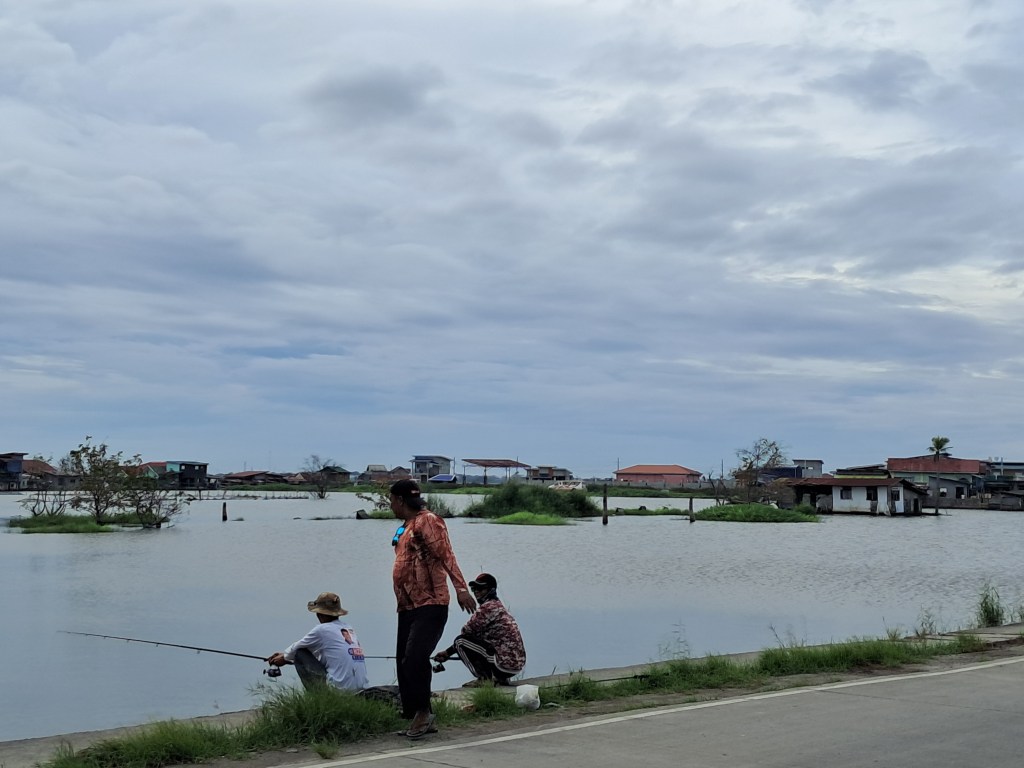
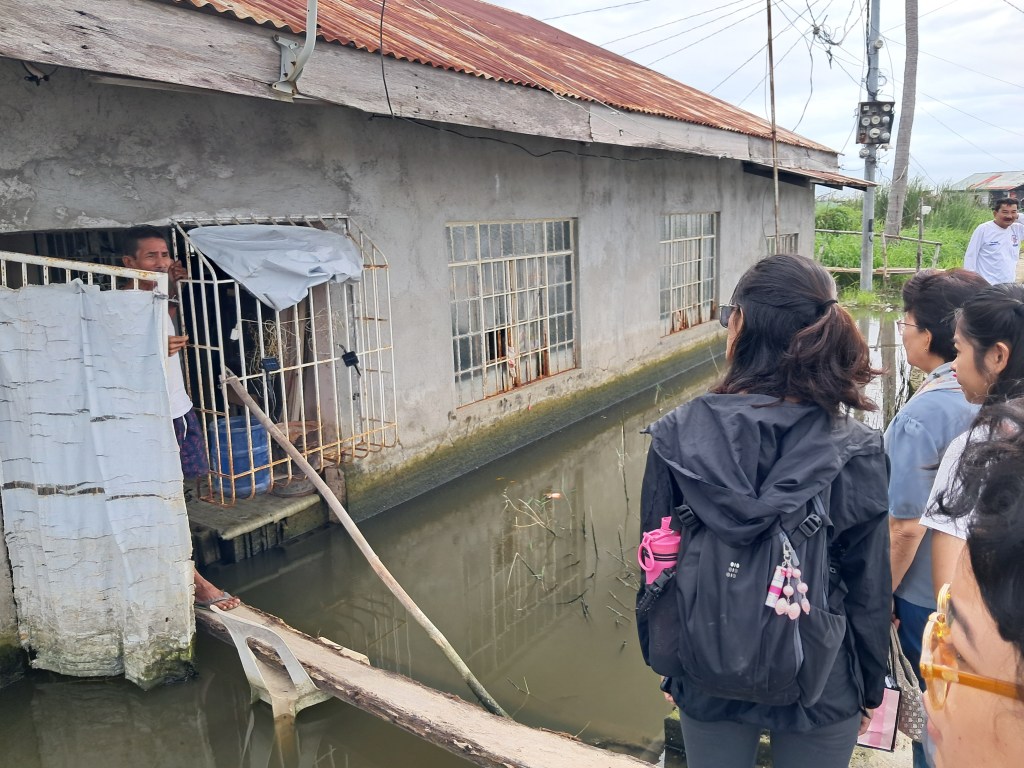
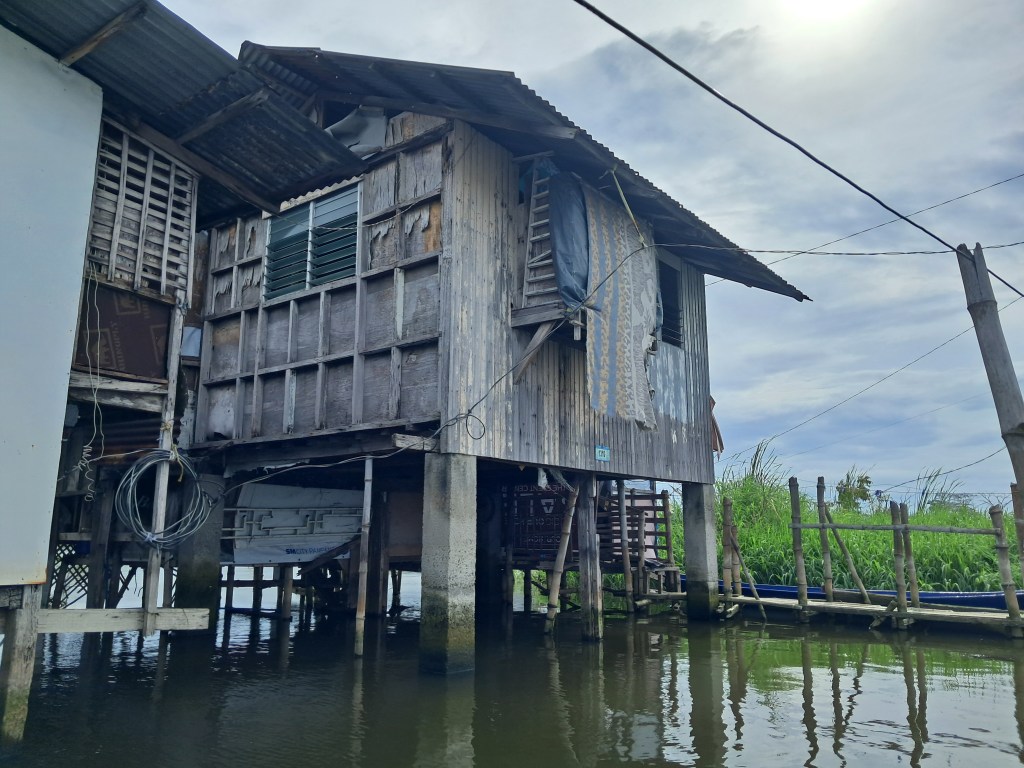
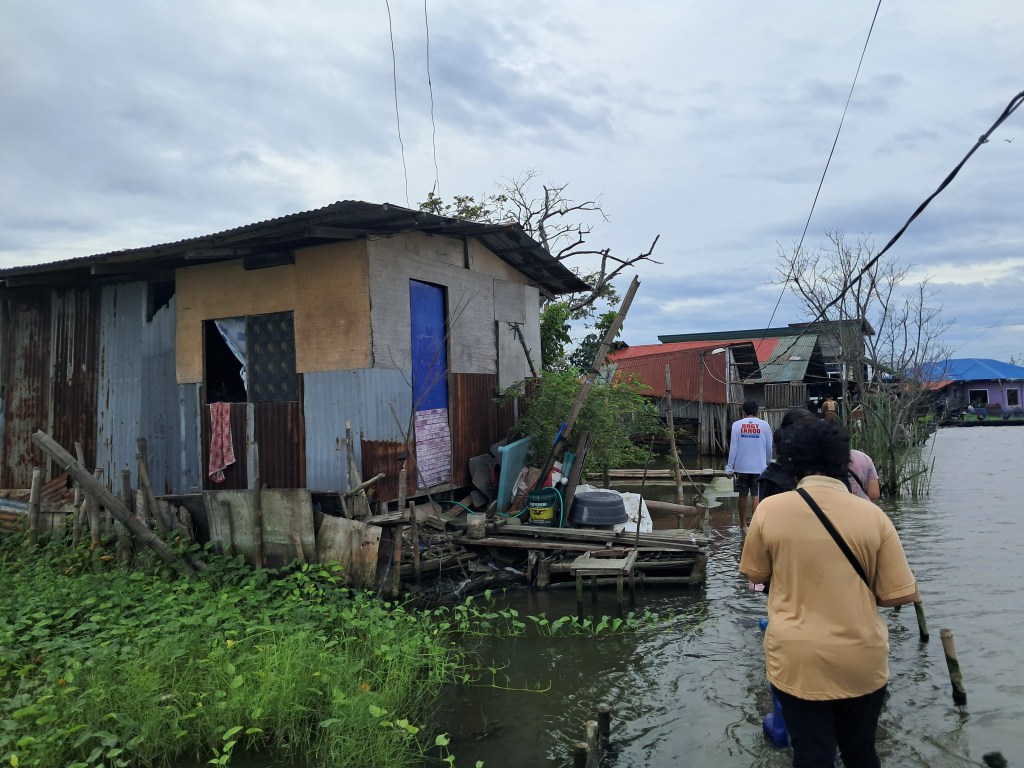
The people of Macabebe are angry and frustrated because of the unfinished flood control projects. These infrastructure projects were supposed to be the solution to the inundation, but instead of making people’s taxes work to solve the situation, bureaucrat capitalists and oligarchs gained obscene profits leaving the residents more destitute and desperate than ever.
On October 1, 2025, the people of Macabebe and Masantol made their first protest action against the ghost flood projects–the Saingsing People’s Rally (Lament of the People’s Rally). In an invitation posted online, the organizers declared: “The national government failed us! The system has been corrupted! We are slowly being killed by drowning! We are gradually losing our future!”. Only by empowering the community and our collective action, we can advance our advocacy to end the systemic corruption in the government and struggle for people’s right to health towards social change [5].
References:
[1]https://www.sunstar.com.ph/pampanga/pampanga-river-overflows-floods-109-barangays
[2]https://www.philstar.com/nation/2004/09/02/263237/flooding-pampanga-delta-worsening
[5]https://newsinfo.inquirer.net/2117603/pampanga-folk-break-silence-after-years-of-flooding
 Council for Health and Development (CHD)