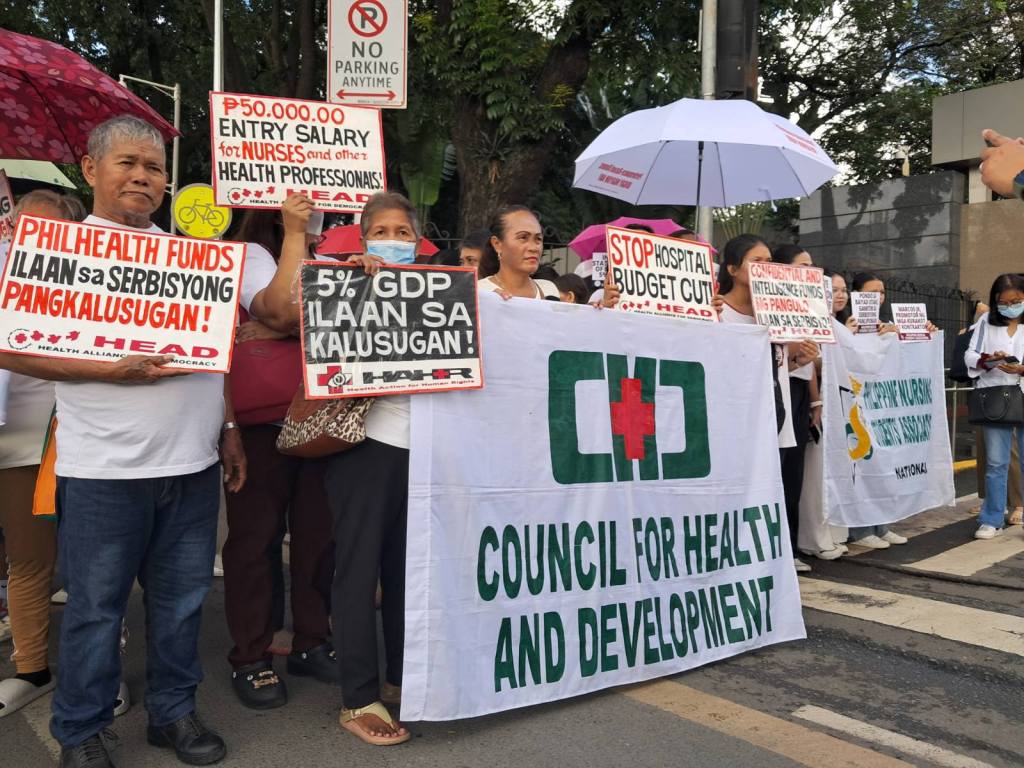
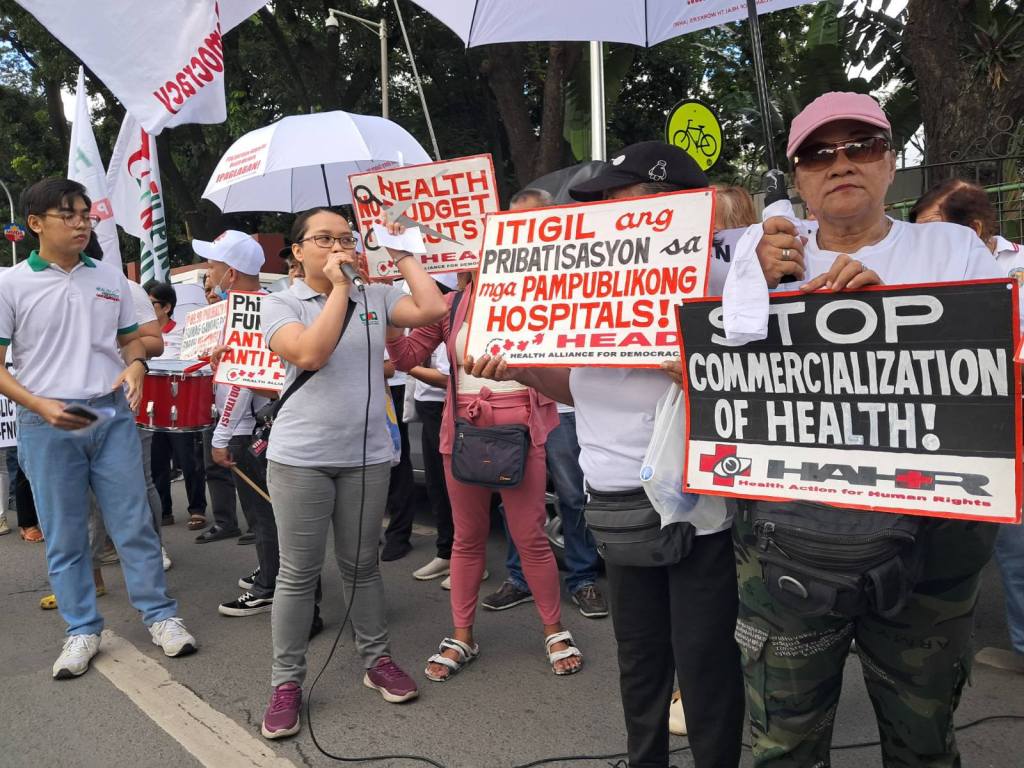
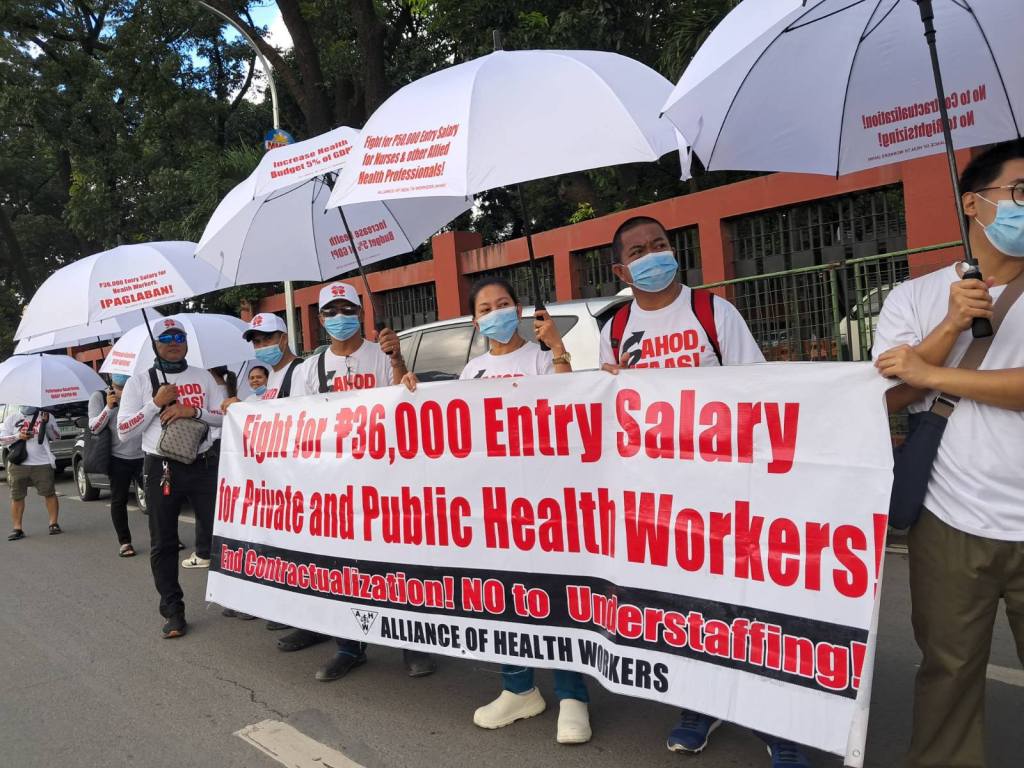
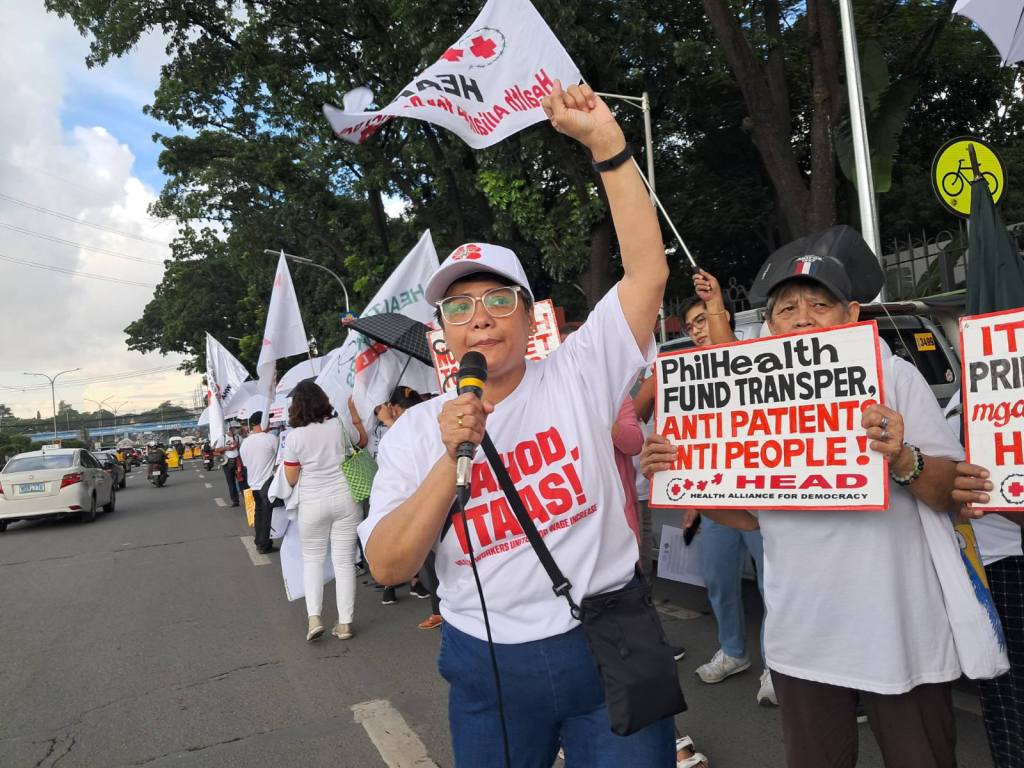
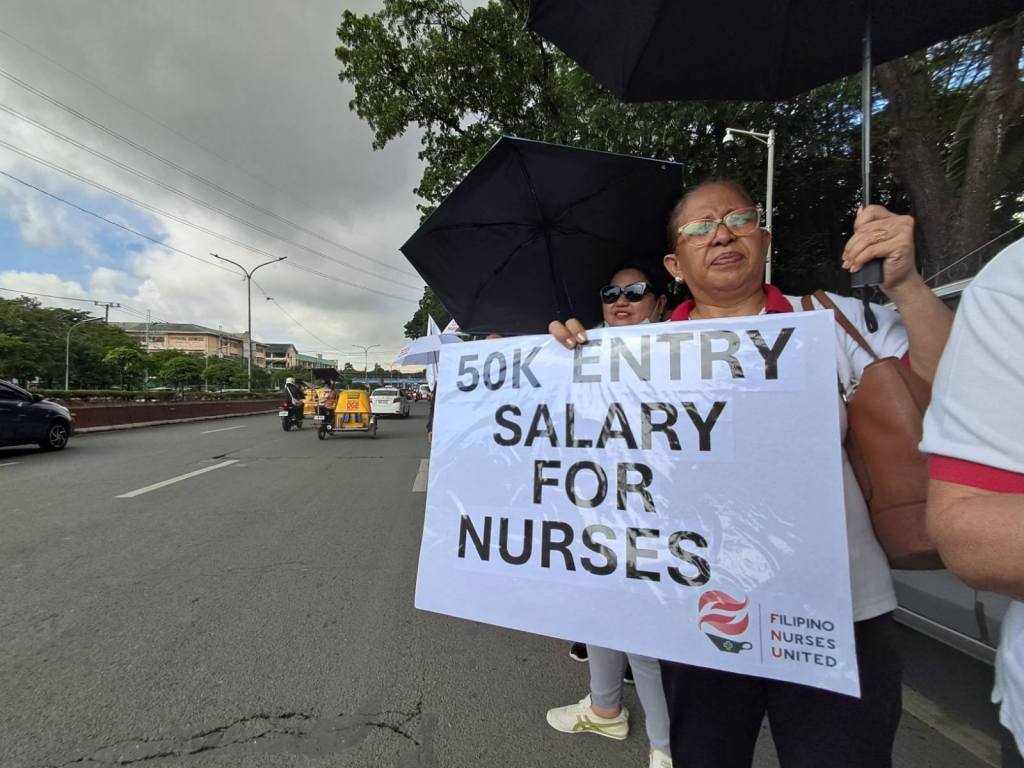
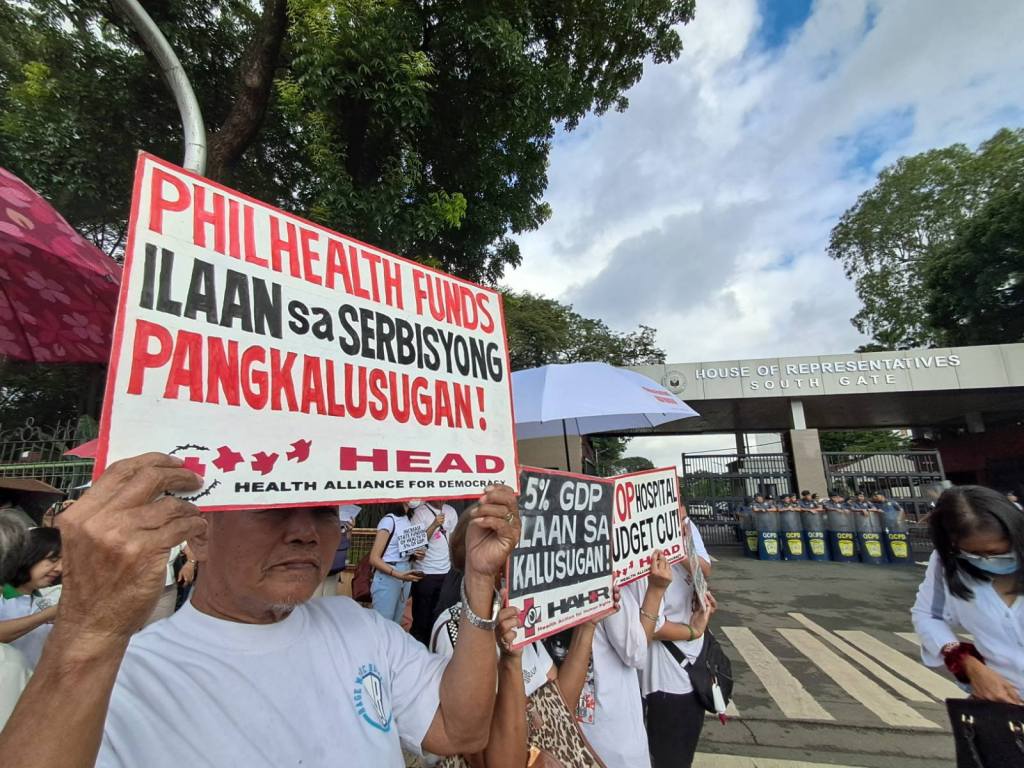
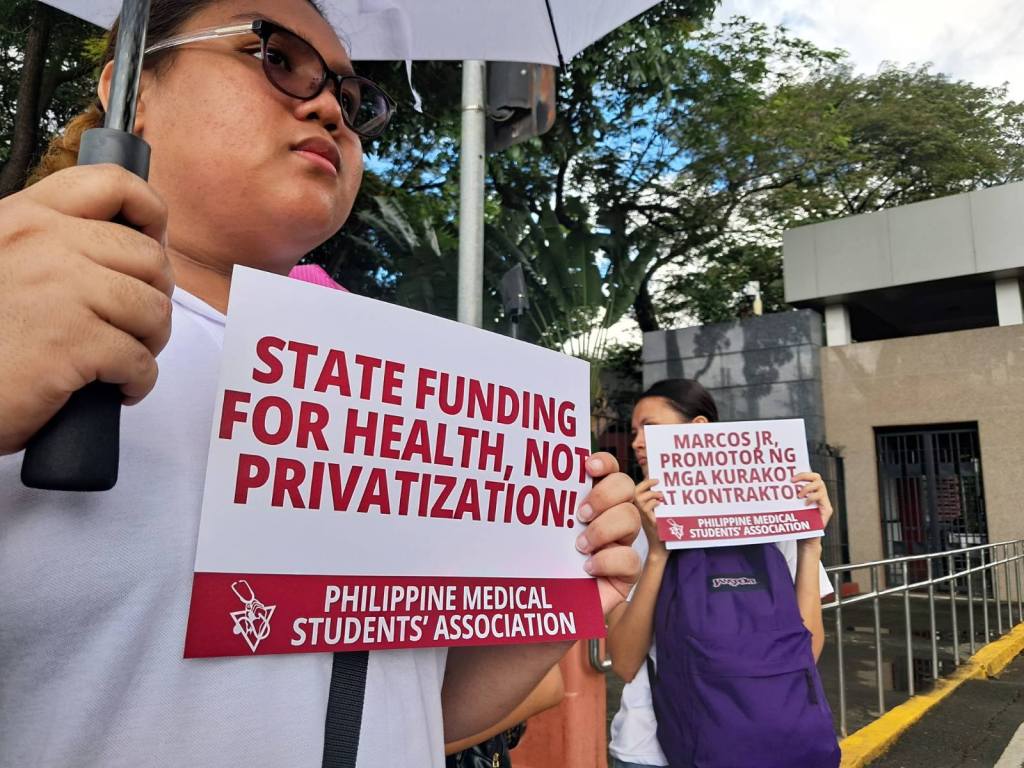
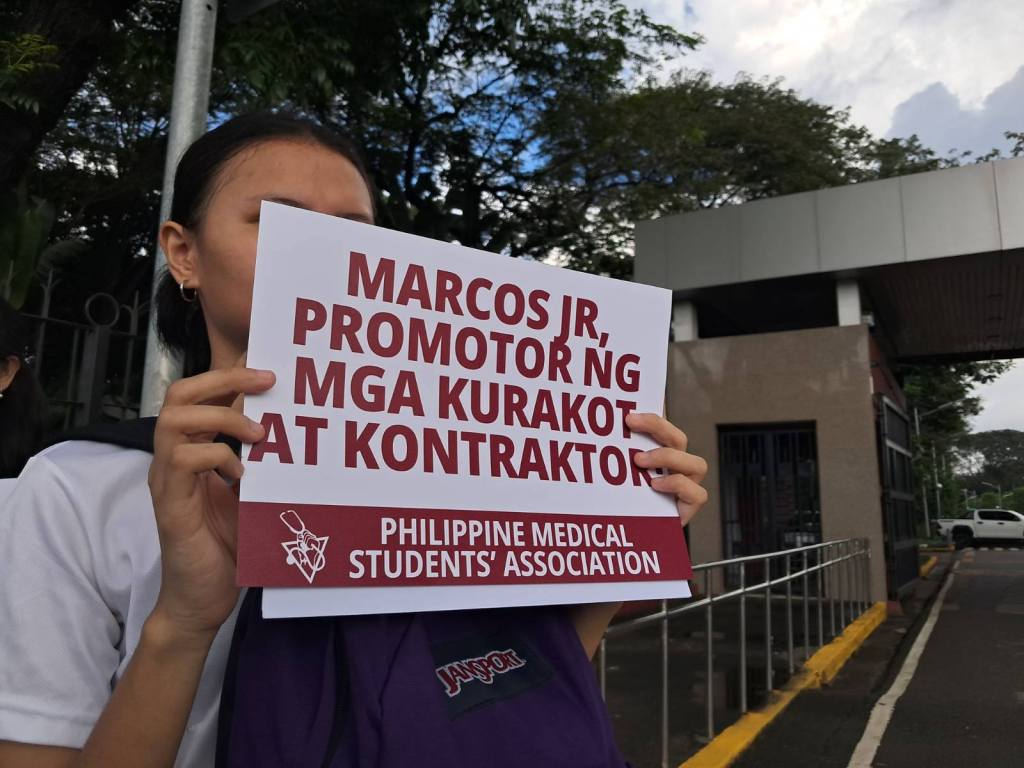
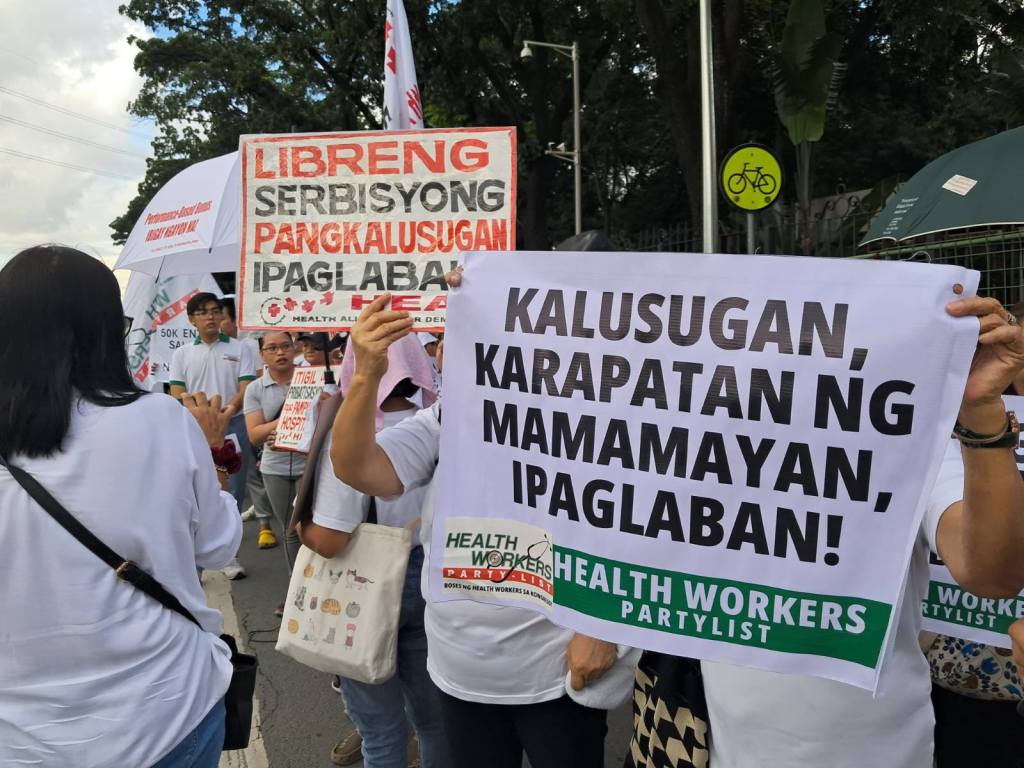
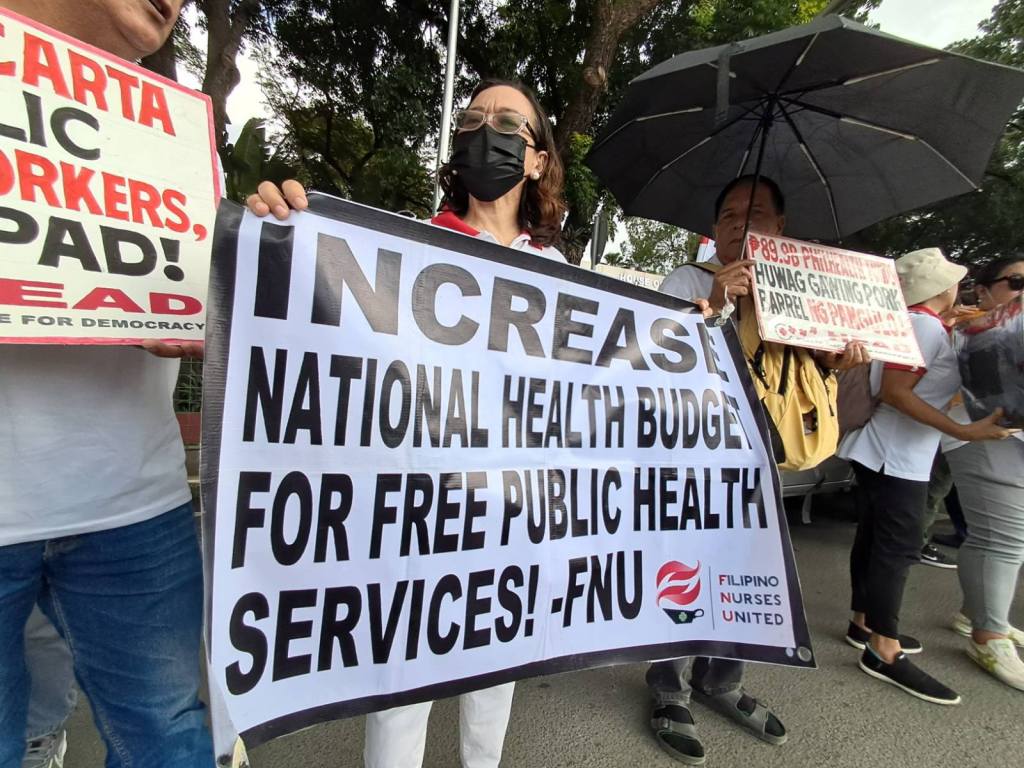
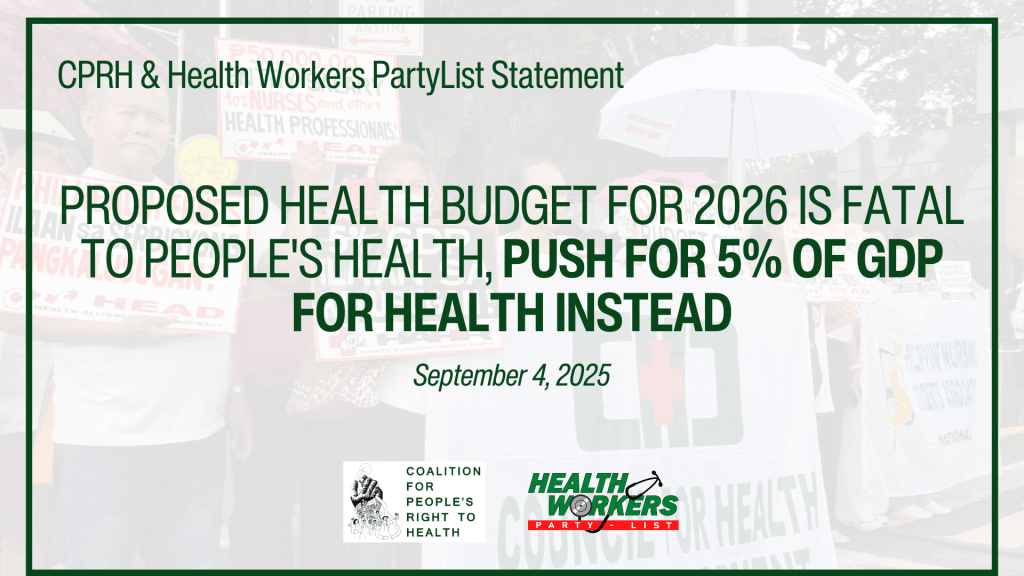
Today, health advocates and health workers under the banner of the Coalition for People’s Right to Health (CPRH) decried the Marcos administration’s proposed P320.5-billion for health in 2026. The amount is a combination of the proposed budgets for the Department of Health, Philhealth, and government-owned and controlled corporation hospitals. CPRH cites the proposal as a “dangerous prescription to people’s health”.
Dr. Jamie Dasmariñas, a community doctor and co-convenor of CPRH, said that although DOH and Philhealth’s proposed budgets totalling to P320.5-billion may seem high, such an amount is far from making public health services genuinely universal let alone free.
Such a proposal is merely half of the Filipinos’ out-of-pocket payments to finance their health in 2024. According to the Philippine Statistics Authority (PSA), Filipinos spent P615.16-billion. The PSA said health spending on a per capita basis, went up to P12,751 in 2024, an increase of 17.6 percent from the P10,840 expense in 2023.
“The proposed budget for health is illusory and fatal. By declaring that the Philippines has achieved 80% rollout of its universal health care goal, the Marcos administration gaslights the masses’ sufferings in public health settings–painful long queues for service patients, overcapacity of emergency rooms, unsafe staff to patient ratios, long waiting line for free diagnostic tests and medical procedures, and the burden of out-of-pocket expenses among others,” Dr. Dasmariñas said.
Proposed budget increases are tangential, grossly inadequate, and will hardly make an impact to improve the lives and health of the people. DOH-retained hospitals will receive a meager P23.9-billion or 24.5% increase. A stark contrast to the 42.5% increase made in 2024-2025.
“This is not to say that the previous years’ budgets were better. As it is, public health is already at a crisis given the current state of affairs. If there are corners that must be cut, it should not be at the expense of basic social services such as health,” Dr. Dasmariñas lamented.
Meanwhile, more budget cuts were noted for other vital and essential public health programs such as:
– Health Facilities Enhancement Program (HFEP) from P35.37-billion down to P14.54-billion (58.89% decrease). The budget slash will further delay the upgrading of basic, essential and specialized health services as well as the revitalization of primary health care facilities
– Epidemiology and surveillance program (-P216,059,000)
– Health Emergency Management, (-P381,026,000)
– National Reference Laboratories of hospitals
Nationally-Procured Commodities for Prevention and Control of Non-Communicable Diseases (-P757,074,000)
– Disease Prevention and Control (-1,244,574,000)
– Even the program showcasing political patronage at its best, the Medical Assistance to Indigent and Financially Incapacitated Patients (MAIFIP), was reduced to P24.24-billion from P41.16-billion.
What is set to be slashed from the national health budget will bring in more money for:
– Infrastructure outlays – P1.55-trillion (road networks, flood control systems, railway systems, buildings, AFP modernization, and others)
– Confidential and intelligence funds – P10.8-billion (where P4.5-billion will go to the Office of the President and to Department of National Defense with P1.85-billion)
– Defense – P430.9-billion (including P8.1-billion for Barangay Development Program of NTF-ELCAC–a 314% increase from the current budget of P2-billion)
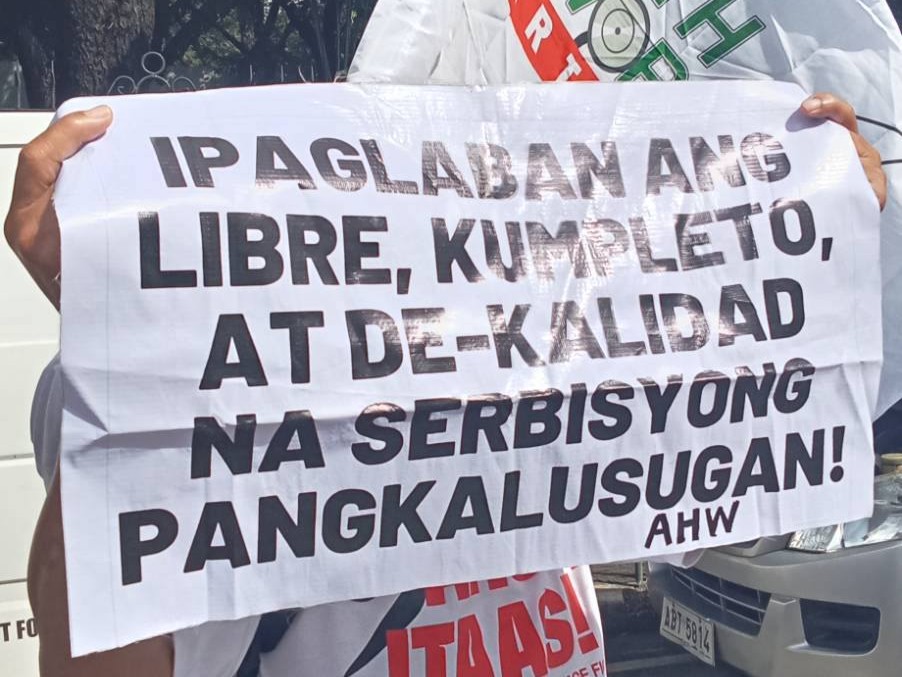
CPRH underscored the need for an adequate health budget that will make public health care free, comprehensive, and quality.
“This budget deliberation season, we believe that an allocation of at least 5% of the Gross Domestic Product or not lower than P1.3-trillion for health will make public health care free, available and accessible to Filipinos–a compassionate public health care system every hard-working Filipino deserves,” added Dr. Gil Catalan, secretary general of Health Workers Party-List.
Amidst the Marcos administration’s grossly inadequate health budget juxtaposed with cases and reports of massive graft and corruption in his government, the Coalition for People’s Right to Health stands firm in its calls:
1. Expose and oppose graft and corruption in all its forms and hold all officials and employees into account
2. Resist abuse and misuse of public funds
Allocate at least 5% of the Gross Domestic Product for health budget
3. Organize and mobilize for free, comprehensive, and quality public health care services
4. Address poverty and economic underdevelopment, act for genuine land reform and national industrialization
 Council for Health and Development (CHD)